
Crypto Regulations and Airdrops in November 2025: What Happened and What It Means
When it comes to crypto regulations, the legal rules governments set for buying, trading, and holding digital assets. Also known as cryptocurrency laws, it shapes everything from whether you can use Bitcoin at a store to if your bank can touch your crypto wallet. In November 2025, these rules weren’t just changing—they were locking down. Countries like China kept their total ban, while Hong Kong rolled out its first formal licensing system for stablecoins and exchanges. Meanwhile, Canada seized $40 million from TradeOgre, proving regulators are no longer just watching—they’re taking action.
Cryptocurrency airdrop, a free distribution of tokens to wallet holders, often used to launch new projects or reward early users. Also known as token giveaway, it’s one of the most popular ways people get into crypto—but in November 2025, most of them were fake. Projects like FAN8, YAE Cryptonovae, and NFTP claimed to be giving away tokens, but had zero trading volume, no mainnet, and no real team. Even the Swash app, which actually pays you for browsing data, got tangled in false claims about CoinMarketCap airdrops. Meanwhile, real distributions like DES Space Drop and Divergence’s Dutch auction showed that legitimate token releases don’t rely on free giveaways—they rely on participation and transparency.
Crypto exchange shutdown, when a trading platform closes permanently, often leaving users unable to access their funds. Also known as exchange collapse, it’s a growing risk as unregulated platforms try to compete with giants. Tidex and PaintSwap didn’t just fade away—they vanished without warning. Users lost access. Support disappeared. Even Asproex and WenX, which tried to play it safe with strong security, struggled with poor liquidity and hidden fees. And Serenity? A red flag with no team, no app, and ties to a hacked project. Meanwhile, India and Bolivia proved that adoption doesn’t need regulation—it just needs access. With 120 million users in India despite a 30% tax, and Bolivians turning to P2P stablecoins after their ban was lifted, the real story isn’t in the rules—it’s in the people.
Blockchain adoption by banks, cross-border crypto monitoring under FATF rules, and DPRK hackers using chain-hopping to launder stolen funds show how deep this tech has sunk into global systems. But for most users, November 2025 came down to one thing: figuring out what’s real. Was that airdrop legit? Is that exchange still running? Is that coin even trading? The answers weren’t in hype—they were in data, in volume, in transparency. Below, you’ll find real breakdowns of what worked, what failed, and what you should avoid in 2025’s crowded, chaotic crypto world.
Taiwan's Selective Banking Crypto Restrictions Explained
Taiwan allows crypto ownership but blocks banks from handling any digital asset transactions. Learn how VASPs, P2P trading, and upcoming stablecoin rules shape the country's unique crypto landscape.

Swash App Airdrop: How to Earn SWASH Tokens from CoinMarketCap and Browser Activity
Learn how to earn SWASH tokens by using the Swash browser app - no airdrop needed. Discover the truth about the CoinMarketCap claim and how to actually get paid for your online data.
Divergence (DIVER) Airdrop: What’s Real and What’s Not in 2025
Divergence (DIVER) never had an airdrop. Learn how tokens were actually distributed via Dutch auction, where to find them now, and how to avoid scams. No free tokens-only real participation rewards.
What is YODA (YODA) crypto coin? The truth about this Solana meme token
YODA is a Solana-based meme coin named after the Star Wars character, but it has zero trading volume, no community, and no development. Once a speculative token, it's now effectively dead.
TradeOgre Shutdown: Canada Seizes $40 Million in Crypto Amid Regulatory Crackdown
Canada seized $40 million in crypto from TradeOgre, shutting down the no-KYC exchange in its largest ever crypto enforcement action. Here's what happened, why it matters, and what it means for users.

India Leads Global Crypto Adoption Despite Harsh Tax Rules
India leads the world in crypto adoption, with over 120 million users, despite having one of the harshest tax regimes-30% flat tax, no loss offsets, and 1% TDS on every trade. Here’s how it’s still growing.

DES Space Drop Airdrop by DeSpace Protocol: How to Claim and What You Need to Know
Learn how to claim DES tokens from the DeSpace Protocol Space Drop airdrop, who qualified, how much was awarded, and what to do next. All verified details for November 2025.
What is Nerve Finance (NRV) crypto coin? A deep look at the dying stablecoin AMM
Nerve Finance (NRV) was a BSC-based stablecoin AMM with low slippage, but today it's nearly dead. With a market cap under $31K, zero development, and 99.99% price drop, it's a cautionary tale of failed DeFi projects.
FAN8 Airdrop: What You Need to Know in 2025
FAN8 has no confirmed airdrop in 2025. The token shows $0 price and zero trading volume. Avoid fake airdrop sites claiming to give away FAN8 tokens - they’re scams. Stick to verified projects with active communities and mainnet launches.
Tidex Crypto Exchange Review: Legit or Shut Down?
Tidex crypto exchange offered low fees and a simple interface but is now shut down. Users report lost funds, frozen accounts, and no support. Avoid this exchange-here's why and what to use instead.
How Bolivians Access Crypto Exchanges After the Ban Was Lifted
Bolivia lifted its crypto ban in 2024 and now has one of the fastest-growing crypto markets in Latin America. Learn how Bolivians buy and use stablecoins legally through peer-to-peer trading and international exchanges.
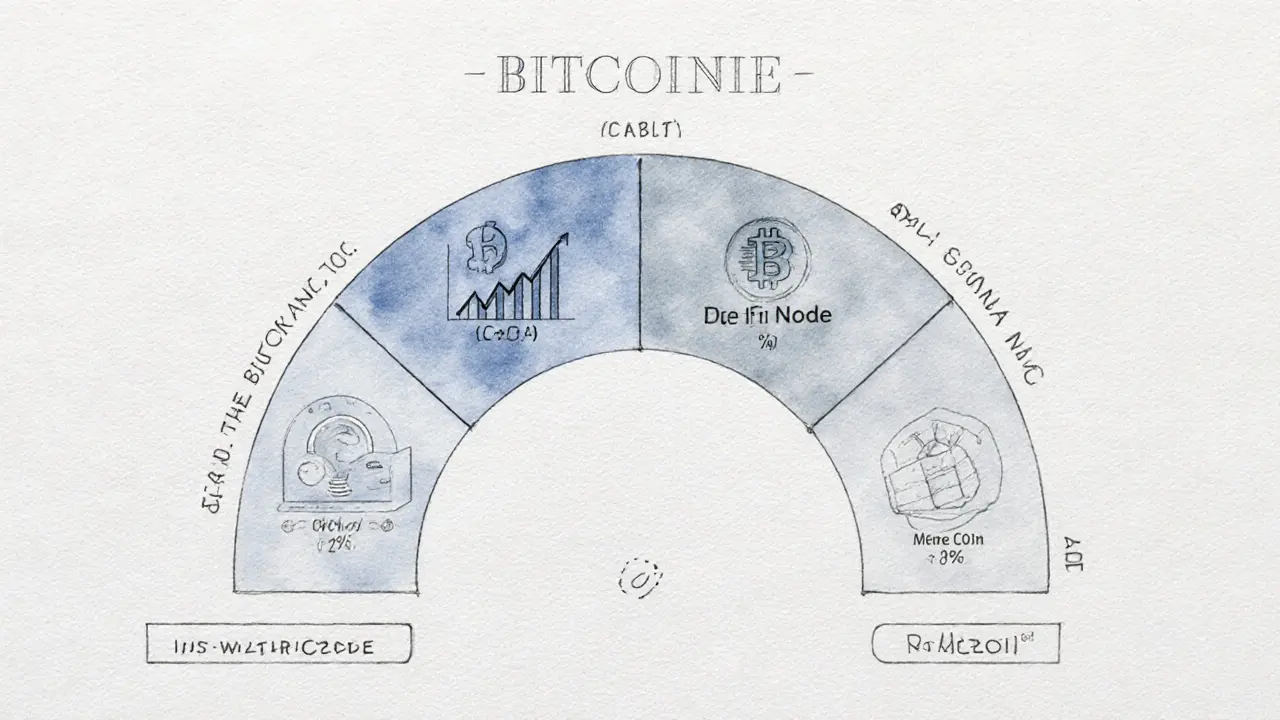
Investing Strategies for Different Market Cycles in Crypto and Traditional Assets
Learn how to adjust your crypto investing strategy based on market cycles - from early recovery to recession - and protect your portfolio while maximizing long-term gains.