
Crypto Prediction Market: How Crowds Forecast Prices and Win Real Money
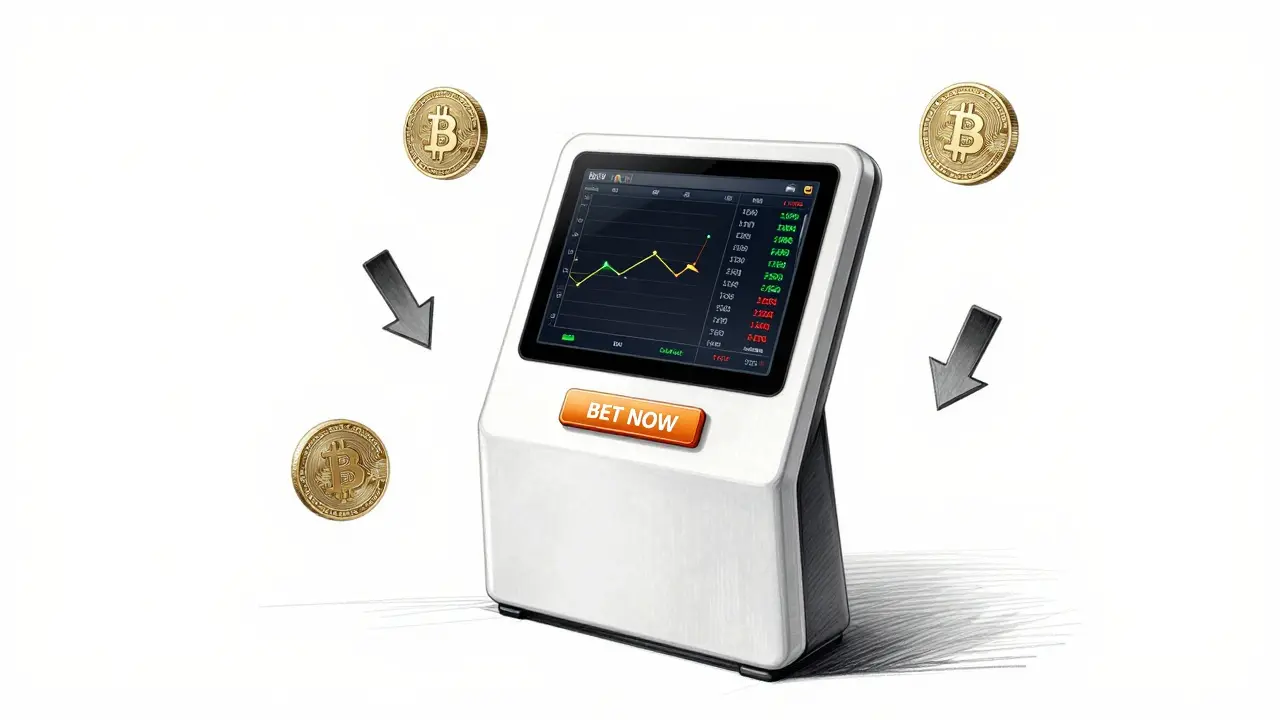
When you hear crypto prediction market, a decentralized platform where people trade shares based on real-world events using cryptocurrency. Also known as prediction markets, it’s not gambling — it’s collective intelligence turned into profit. Think of it like a stock market for facts: if you believe Bitcoin will hit $100K by year-end, you buy shares that pay out if you’re right. If you’re wrong, you lose your stake. No middlemen. No guesswork. Just real money on real outcomes.
These markets run on blockchain, so everything is transparent and tamper-proof. Platforms like Augur, one of the earliest decentralized prediction markets built on Ethereum and Polymarket, a user-friendly platform that lets you bet on elections, crypto prices, and even Fed rate moves let anyone with a wallet participate. You don’t need to be a trader. You just need to know what’s likely to happen next. And because these platforms use crypto, payouts are instant, global, and uncensored.
What makes crypto prediction markets different from traditional betting sites? They’re not controlled by a company. The crowd decides the odds. If 70% of traders buy "Yes" on whether Ethereum will surpass $4K by June, the price of that share reflects that belief. The more people agree, the cheaper the share becomes — and the bigger your reward if you were early. This system works because people have skin in the game. Real money means real opinions. And history shows that aggregated bets often outperform experts.
But it’s not all smooth sailing. Some markets are thin on liquidity. Others get flooded with bots or manipulated by whales. And while most platforms are legal, regulators are watching closely — especially when bets involve politics or financial events. That’s why you’ll find many users sticking to crypto-specific outcomes: price targets, exchange launches, protocol upgrades. These are easier to verify, harder to fake, and more relevant to the community.
Behind every successful prediction market is a simple truth: people know more than institutions. When 10,000 traders bet on whether a new token will list on Binance, their combined insight often beats any analyst’s report. That’s why platforms like Gnosis, a modular prediction market protocol used by teams building on Ethereum and other chains are gaining traction among developers and investors alike. You’re not just betting — you’re contributing to a smarter, decentralized forecast.
What you’ll find below are real examples of how prediction markets shape crypto outcomes — from failed airdrops that turned into scams, to exchanges that vanished overnight, to tokens that crashed because no one believed in them anymore. These aren’t random stories. They’re data points. And in prediction markets, every failed project, every shutdown, every rug pull is a signal. Someone already bet on it. And you can learn from their choices.
Bispex Crypto Exchange Review: What You Need to Know Before Using It
Bispex is not a crypto exchange - it's a prediction market platform with no audits, no users, and no transparency. Learn why it's risky and what better alternatives exist.