Most people searching for a NeutroSwap review are looking for the same thing as they would for Binance or Coinbase: a clear breakdown of fees, security, and how easy it is to move money in and out. But here is the catch-NeutroSwap isn’t your typical centralized platform. It operates primarily as a decentralized exchange (DEX), which changes the entire game regarding custody, liquidity, and risk. If you’ve stumbled upon this name while trading NEUTRO tokens, you might be wondering if it’s a reliable place to park your assets or just another obscure DEX with thin books.
In this guide, we’ll cut through the noise. We’ll look at what NeutroSwap actually does, who built it, and whether it makes sense for your portfolio in 2026. Since data on smaller DEXs can be sparse, we’ll also cover how to verify its legitimacy yourself so you don’t get caught off guard by hidden risks.
What Is NeutroSwap?
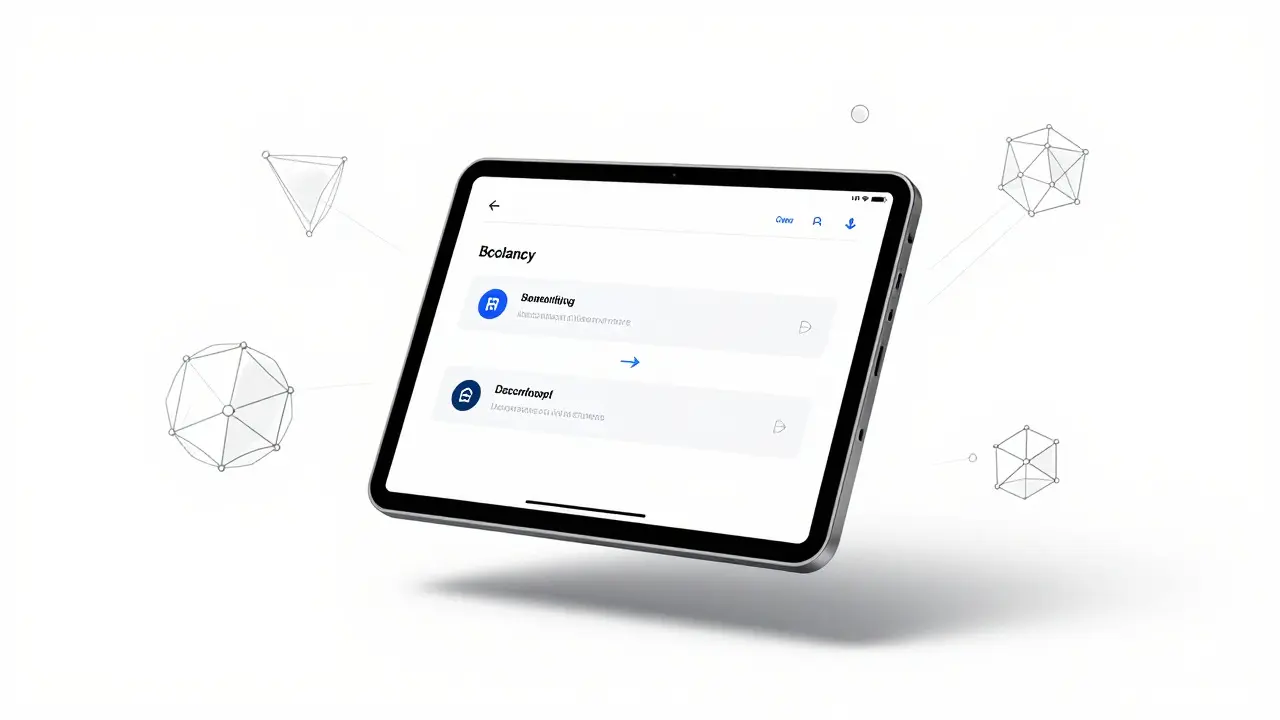
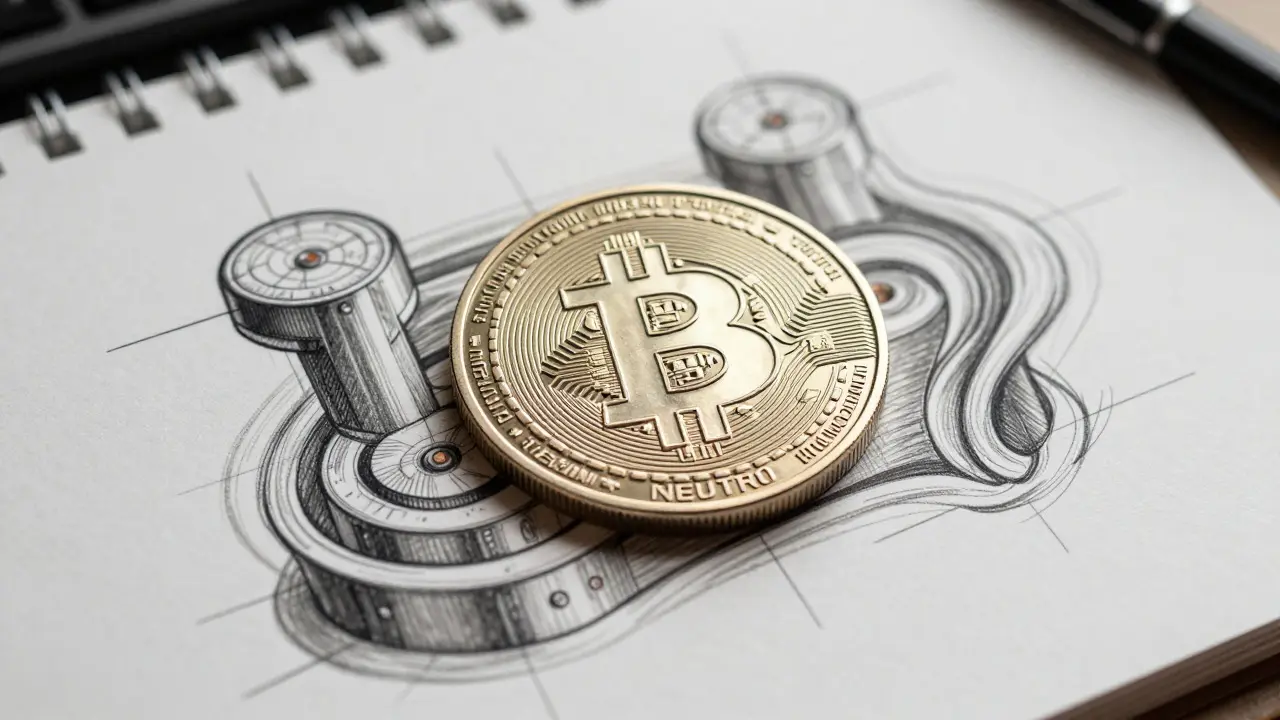
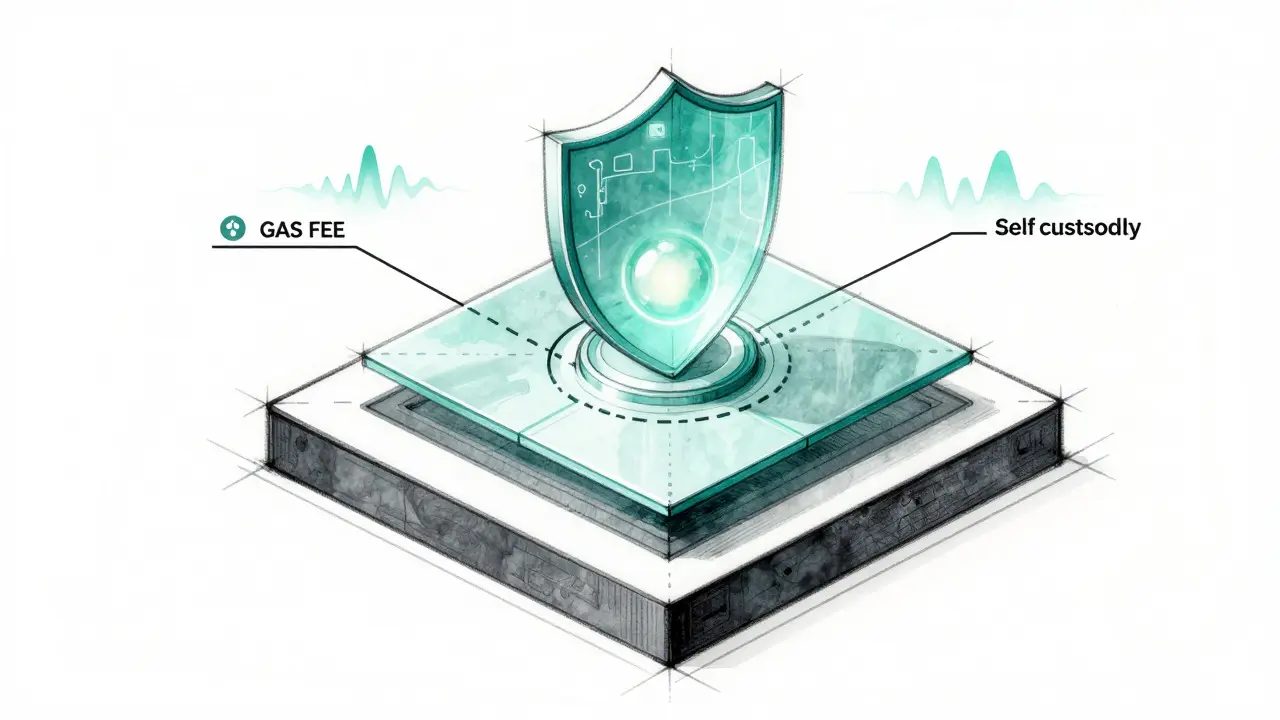
NeutroSwap is a decentralized exchange protocol that facilitates the trading of digital assets, most notably the NEUTRO token. Unlike traditional exchanges where a company holds your funds in cold storage, NeutroSwap uses smart contracts to enable peer-to-peer swaps directly from your wallet. This means you retain full control over your private keys throughout the transaction process.
The platform is best known as the primary venue for buying and selling NEUTRO tokens. While larger DEXs like Uniswap or PancakeSwap support thousands of pairs, NeutroSwap appears to specialize in specific niche assets. This specialization can be a double-edged sword: it provides deep liquidity for its core token but may limit your ability to diversify without bridging assets to other networks.
Key Features and User Experience
When evaluating any exchange, the user interface is the first thing you interact with. For NeutroSwap, the experience is streamlined for simplicity rather than complexity. Here’s what you can expect:
- Wallet Connectivity: The platform integrates with standard Web3 wallets. You don’t create an account with an email address; instead, you connect your existing wallet (like MetaMask or Trust Wallet) to sign transactions.
- Token Swapping: The core function is swapping one token for another. The interface typically displays input/output fields, price impact warnings, and minimum received amounts.
- Liquidity Pools: Like most automated market maker (AMM) protocols, NeutroSwap relies on liquidity providers. Users can stake their tokens into pools to earn trading fees, though this comes with the risk of impermanent loss.
One notable absence is a native mobile app. Most users access NeutroSwap via a web browser on their phone or desktop. While this keeps development costs low for the project, it means you’re relying on the stability of the website and your internet connection rather than a dedicated, optimized application.
Fees and Trading Costs
Cost is a major factor when choosing where to trade. On centralized exchanges, you pay a spread plus a percentage fee per trade. On NeutroSwap, the structure is different. You generally pay two types of costs:
- Protocol Fee: A small percentage (often around 0.3% to 1%, depending on the pool) goes to the liquidity providers and the protocol treasury. This is baked into the swap rate.
- Gas Fees: Since trades happen on the blockchain, you must pay network gas fees. These vary wildly based on network congestion. If NeutroSwap operates on a high-throughput chain, these fees might be negligible. If it’s on a congested network, they could eat into your profits on small trades.
It’s crucial to check the current gas prices before executing a large swap. A $500 trade with $10 in gas fees is manageable, but a $50 trade with $10 in fees is not worth it.
Security and Audits
Security is the biggest concern with any DeFi protocol. Because there is no central authority to bail you out if something goes wrong, due diligence is on you. As of mid-2026, independent audit reports for NeutroSwap should be available on their official documentation site or GitHub repository.
Look for audits from reputable firms like CertiK, Hacken, or OpenZeppelin. An audit doesn’t guarantee safety-it just means experts reviewed the code at a specific point in time. However, a lack of audits is a massive red flag. Additionally, check if the team has locked their tokens. If the developers can dump all their holdings on the market at will, the price could crash overnight regardless of the technology’s quality.
| Feature | NeutroSwap | Binance/Coinbase (CEX) |
|---|---|---|
| Custody | Self-custody (Your wallet) | Exchange-held |
| Onboarding | Connect Wallet only | KYC + Email Verification |
| Asset Variety | Niche (Focus on NEUTRO) | Broad (Hundreds of assets) |
| Fee Structure | Protocol % + Gas | Trading % + Deposit/Withdrawal fees |
| Risk Profile | Smart Contract Risk | Counterparty/Hack Risk |
Liquidity and Market Depth
For a DEX to be useful, it needs liquidity. If the order book (or liquidity pool) is thin, you’ll suffer from high slippage. Slippage is the difference between the expected price and the final execution price. On a busy exchange, this might be cents. On a less liquid DEX, it could be several percent.
To check NeutroSwap’s liquidity, visit analytics sites like DeFiLlama or DexScreener. Look at the "24h Volume" and "Total Value Locked" (TVL). If the TVL is under $1 million, be cautious with large trades. Splitting orders into smaller chunks can help mitigate slippage, but remember that each chunk incurs its own gas fee.
Regulatory Status and Compliance
As of 2026, regulatory frameworks for DeFi are still evolving globally. In many jurisdictions, including New Zealand and the US, using a DEX is legal, but tax obligations remain. Every swap on NeutroSwap is potentially a taxable event. You need to record the cost basis of the asset you sold and the fair market value of the asset you received.
Unlike centralized exchanges that often provide tax reports, you’ll likely need to use third-party tools like CoinTracker or Koinly to track your DeFi activity. Make sure you export your transaction history from your wallet regularly to keep your records organized.
Is NeutroSwap Right for You?
There is no one-size-fits-all answer. NeutroSwap makes sense if:
- You specifically want to trade NEUTRO tokens and find better rates there than elsewhere.
- You prefer self-custody and want to avoid KYC processes.
- You are comfortable managing gas fees and understanding smart contract risks.
It might not be the right choice if:
- You want to trade a wide variety of blue-chip cryptocurrencies in one place.
- You are new to crypto and unfamiliar with connecting wallets.
- You require customer support to resolve issues quickly (DEX support is usually limited to community forums).
How to Verify NeutroSwap Legitimacy Yourself
Since detailed third-party reviews can be scarce for niche projects, here is a quick checklist to run before depositing significant funds:
- Check the Contract Address: Always verify the NEUTRO token contract address on a block explorer. Scammers often create fake tokens with similar names.
- Review Social Sentiment: Look at the project’s Twitter and Discord. Are real users posting screenshots? Or is it just bots and marketing posts?
- Test with Small Amounts: Start with a trade you can afford to lose entirely. Check if the swap executes correctly and if the tokens arrive in your wallet.
- Monitor TVL Trends: If Total Value Locked is dropping sharply, it might indicate a rug pull or loss of confidence.
Frequently Asked Questions
Is NeutroSwap a centralized or decentralized exchange?
NeutroSwap is a decentralized exchange (DEX). It operates via smart contracts on the blockchain, allowing users to trade directly from their wallets without intermediaries holding their funds.
What is the main token traded on NeutroSwap?
The primary token associated with the platform is NEUTRO. While other pairs may exist, NEUTRO is the core asset for which the exchange was designed.
Do I need to complete KYC to use NeutroSwap?
No, NeutroSwap does not require KYC (Know Your Customer) verification. You only need a compatible Web3 wallet to connect and start trading.
How much do fees cost on NeutroSwap?
Fees consist of a protocol percentage (typically 0.3% to 1%) added to the swap rate, plus blockchain gas fees. Gas fees vary based on network congestion.
Where can I check the liquidity of NeutroSwap pools?
You can check real-time liquidity and volume data on analytics platforms like DeFiLlama or DexScreener by searching for the specific token pair.


