
There is a common trap in the cryptocurrency world that catches many new investors off guard. You see a name like ZipSwap, and you assume it is a platform where you can trade assets. In reality, ZipSwap is not an exchange at all; it is a specific digital asset-a token with the ticker symbol ZIP. Confusing a coin for a platform is like confusing Apple stock for the App Store. One is something you own; the other is a place you visit to do business.
This distinction matters because your safety depends on knowing which platform you are using to buy the token. If you are looking for a "ZipSwap exchange," you might be navigating a maze of third-party sites, some of which may lack the security standards of major industry players. This review clarifies what ZipSwap actually is, how its price has behaved as of mid-2026, and where you can actually find it without risking your funds on obscure platforms.
What Is ZipSwap? The Token vs. Platform Distinction
To understand ZipSwap, we first need to strip away the marketing noise. ZipSwap (ZIP) is a cryptocurrency token. It exists on a blockchain network, but it does not host its own centralized trading infrastructure. When you read reviews about "ZipSwap," you are often reading about the performance of the ZIP token itself, or potentially misleading pages from smaller exchanges trying to attract traffic by associating their brand with the token's name.
The central entity here is the ZIP tokena digital asset traded on various decentralized and centralized venues. Unlike Bitcoin or Ethereum, which have massive ecosystems built around them, ZipSwap operates in a much narrower niche. It is not listed on the giants of the industry. You will not find a direct trading pair for ZIP on Binancethe largest global cryptocurrency exchange by volume or Phemexa major derivatives and spot trading platform. This absence is significant. It means liquidity-the ability to buy or sell quickly without moving the price drastically-is likely lower than you would find on top-tier platforms.
If you are searching for a "ZipSwap login" page, stop. There is no official ZipSwap exchange account to log into. Instead, you are looking for a wallet address to hold the tokens, or an account on a third-party exchange that lists ZIP. This fundamental difference changes how you approach buying, storing, and securing your investment.
Price Performance and Market Reality in 2026
Let’s look at the hard numbers. As of February 2026, the market data for ZipSwap paints a picture of a volatile asset that has settled into a lower price range after previous highs. On Gate.ioa centralized cryptocurrency exchange supporting numerous altcoins, the converter showed ZIP trading at approximately $0.01224 USD per token. Meanwhile, Crypto.coma comprehensive crypto ecosystem offering exchange, wallet, and card services listed the price slightly higher at $0.0133 USD. These small discrepancies between exchanges are normal due to differences in local supply and demand, but they also highlight the fragmented nature of this token's market.
| Platform | Price per ZIP (USD) | Availability Status |
|---|---|---|
| Gate.io | $0.01224 | Listed |
| Crypto.com | $0.01330 | Listed |
| Binance | N/A | Not Listed |
| Phemex | N/A | Not Listed |
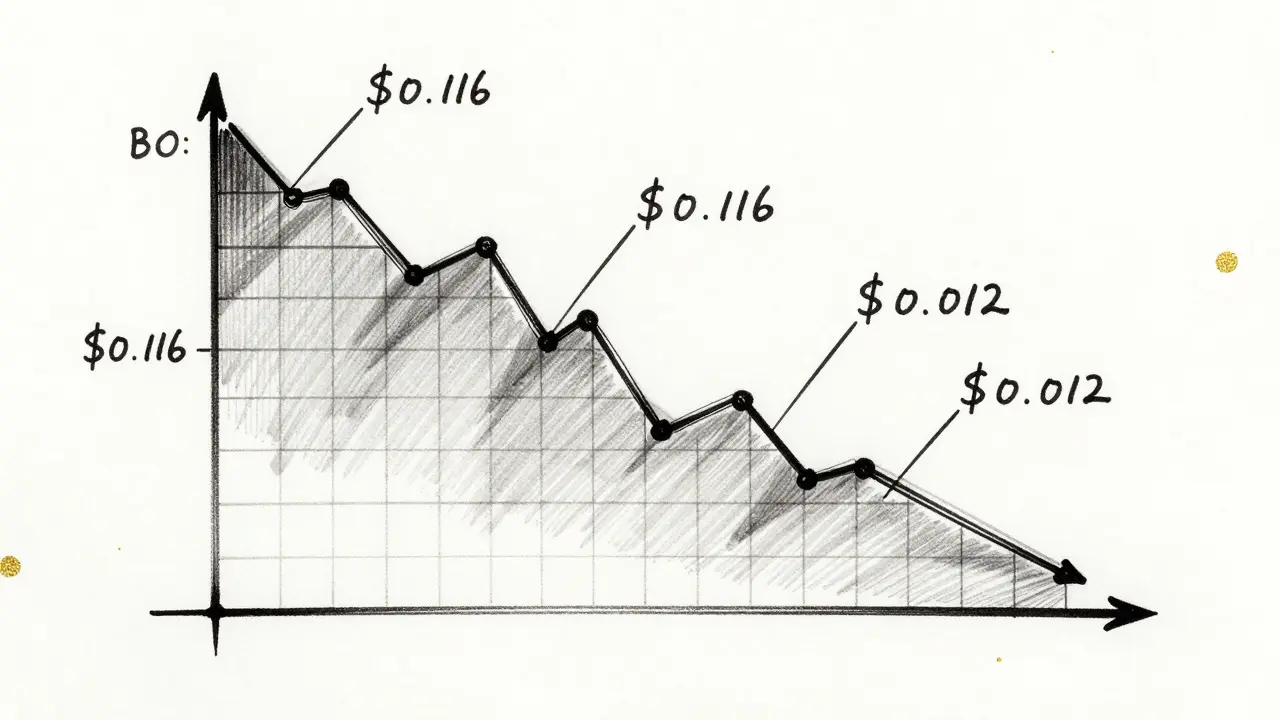
Historical context is crucial here. At one point, ZipSwap reached a peak value of €0.1072, which converts to roughly $0.116 USD. Comparing that high to the current $0.012 range reveals a depreciation of nearly 90%. For any investor, this is a stark reminder of the risks involved with smaller-cap tokens. The price stability seen in early 2026-hovering consistently between $0.012 and $0.013-might suggest a floor has been established, or it could indicate low trading interest. Without high volume, prices can remain flat until a large order suddenly moves them.
Where Can You Actually Buy ZipSwap?
Since ZipSwap is not on the biggest exchanges, you have to look elsewhere. Your options generally fall into three categories: alternative centralized exchanges, decentralized exchanges (DEXs), and peer-to-peer (P2P) marketplaces. Each comes with different trade-offs regarding ease of use, privacy, and risk.
- Alternative Centralized Exchanges: Platforms like Gate.io and Crypto.com support ZIP. These are user-friendly and require identity verification (KYC). They offer the convenience of using credit cards or bank transfers, but you must trust the platform to secure your funds while they sit in your exchange wallet.
- Decentralized Exchanges (DEXs): If ZIP is deployed on a compatible blockchain (such as Ethereum or Binance Smart Chain), you might find it on DEXs like Uniswap or PancakeSwap. Here, you connect your personal wallet (like MetaMask) and swap directly from another token. No KYC is required, offering greater privacy. However, you are responsible for managing your private keys, and slippage fees can be high if liquidity is thin.
- P2P Marketplaces: Some platforms allow direct buyer-seller transactions. This gives you control over the terms but introduces counterparty risk. You need to vet the seller carefully to avoid scams. Always use escrow services provided by reputable P2P platforms.
A critical step before buying is verifying the contract address. Because ZipSwap is not a household name, fake tokens with similar names exist. Always cross-reference the official contract address from a reliable blockchain explorer or the project’s verified social channels before initiating a transaction on a DEX.
Risks and Red Flags to Watch For
Investing in tokens outside the top tier requires extra diligence. The absence of ZipSwap from major listings like Binance suggests it may not meet their stringent listing criteria, which often include audits, sufficient market cap, and active development teams. This doesn't automatically mean the project is bad, but it does mean less institutional oversight.
One major red flag to watch for is phishing sites. Because there is no "official" ZipSwap exchange, scammers create websites that look like legitimate trading platforms to steal your credentials or funds. Never enter your seed phrase into any website. Legitimate exchanges never ask for your private recovery phrase.
Another concern is liquidity risk. With lower trading volumes, selling large amounts of ZIP could significantly drop the price. If you plan to invest a substantial amount, test the waters with a small purchase first to gauge how easily you can exit the position. Also, consider the regulatory environment in your country. Some jurisdictions restrict access to certain altcoins, so ensure compliance with local laws before proceeding.
Security Best Practices for Trading ZIP
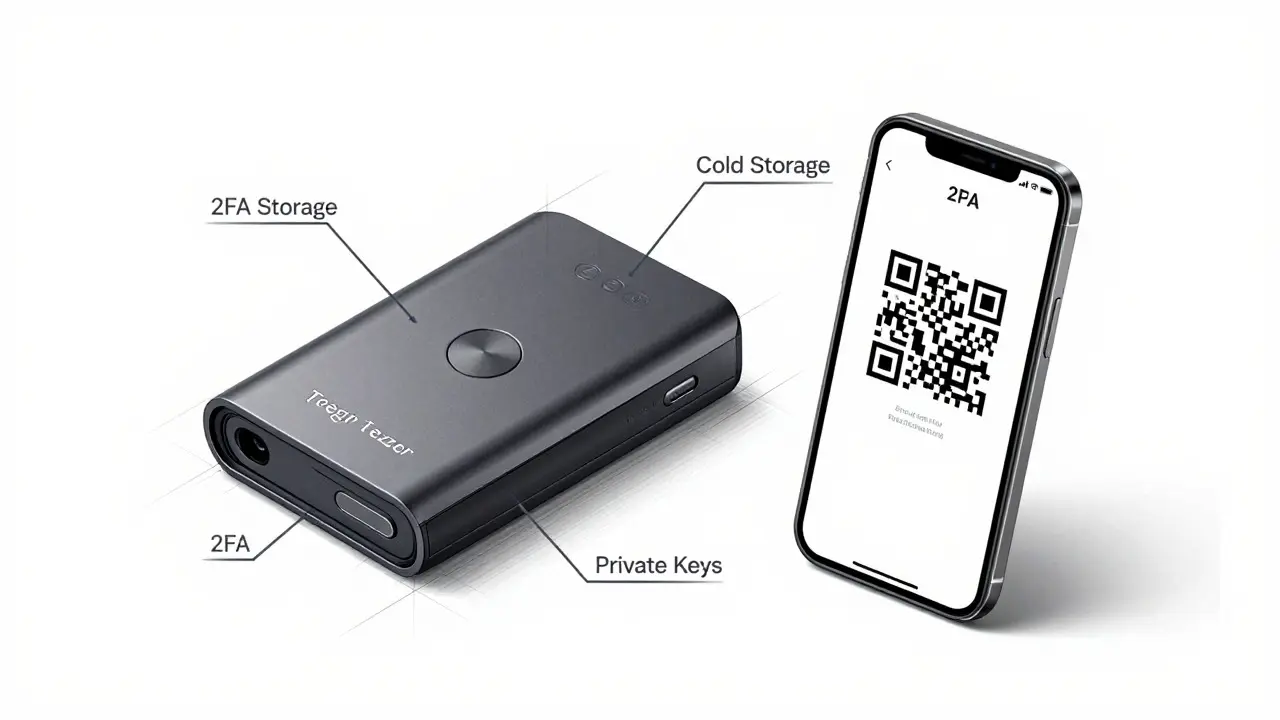
Whether you choose a centralized exchange or a DEX, security should be your priority. If you keep your ZipSwap tokens on an exchange, enable two-factor authentication (2FA) immediately. Use an authenticator app rather than SMS, which is vulnerable to SIM-swapping attacks. For long-term holding, move your tokens to a hardware wallet. Devices like Ledger or Trezor provide cold storage, keeping your private keys offline and safe from online hacks.
When using decentralized exchanges, double-check the URL. Typosquatting domains (e.g., uniswap.com vs. unisap.com) are common traps. Bookmark the official links and always verify the smart contract interaction details before confirming a transaction in your wallet. Look out for unusually high gas fees or unexpected approval requests that could drain your wallet.
Comparing ZipSwap to Established Alternatives
If you are considering ZipSwap for speculative growth, it helps to compare it with more established assets. While ZIP offers the potential for high percentage gains due to its low entry price, it carries proportionally higher risk. Stablecoins like USDT or larger caps like Bitcoin offer stability and deep liquidity, making them better suited for preserving capital. DeFi tokens with active governance and revenue models often provide more transparency than lesser-known projects.
Ask yourself: What is the utility of ZipSwap? Does it solve a specific problem, or is it primarily driven by community hype? Projects with clear roadmaps, active developer activity on GitHub, and transparent team information tend to withstand market downturns better. Unfortunately, detailed technical specifications and audit reports for ZipSwap are scarce in public records, which adds another layer of uncertainty.
Is ZipSwap a safe investment?
Like any cryptocurrency, ZipSwap carries risk. Its absence from major exchanges and significant price drop from historical highs indicate volatility. It is considered safer if you store it in a personal hardware wallet and only invest money you can afford to lose. Always verify the source of the token to avoid scams.
Can I buy ZipSwap on Binance?
No, ZipSwap (ZIP) is not currently listed on Binance. You will need to use alternative centralized exchanges like Gate.io or Crypto.com, or trade it via a decentralized exchange if supported on the underlying blockchain.
What is the current price of ZipSwap?
As of early 2026, ZipSwap trades in the range of $0.012 to $0.013 USD per token. Prices vary slightly between exchanges due to liquidity differences. Always check real-time data on your chosen platform before trading.
How do I store ZipSwap tokens securely?
For maximum security, transfer your ZIP tokens to a non-custodial wallet such as MetaMask (for ERC-20 tokens) or a hardware wallet like Ledger. Avoid leaving large amounts on exchanges for extended periods, as exchanges can be hacked or face insolvency issues.
Why is ZipSwap not on major exchanges?
Major exchanges like Binance and Phemex have strict listing requirements involving liquidity, trading volume, security audits, and regulatory compliance. ZipSwap may not meet these thresholds, or the project may be too new or niche for large-scale listing consideration.