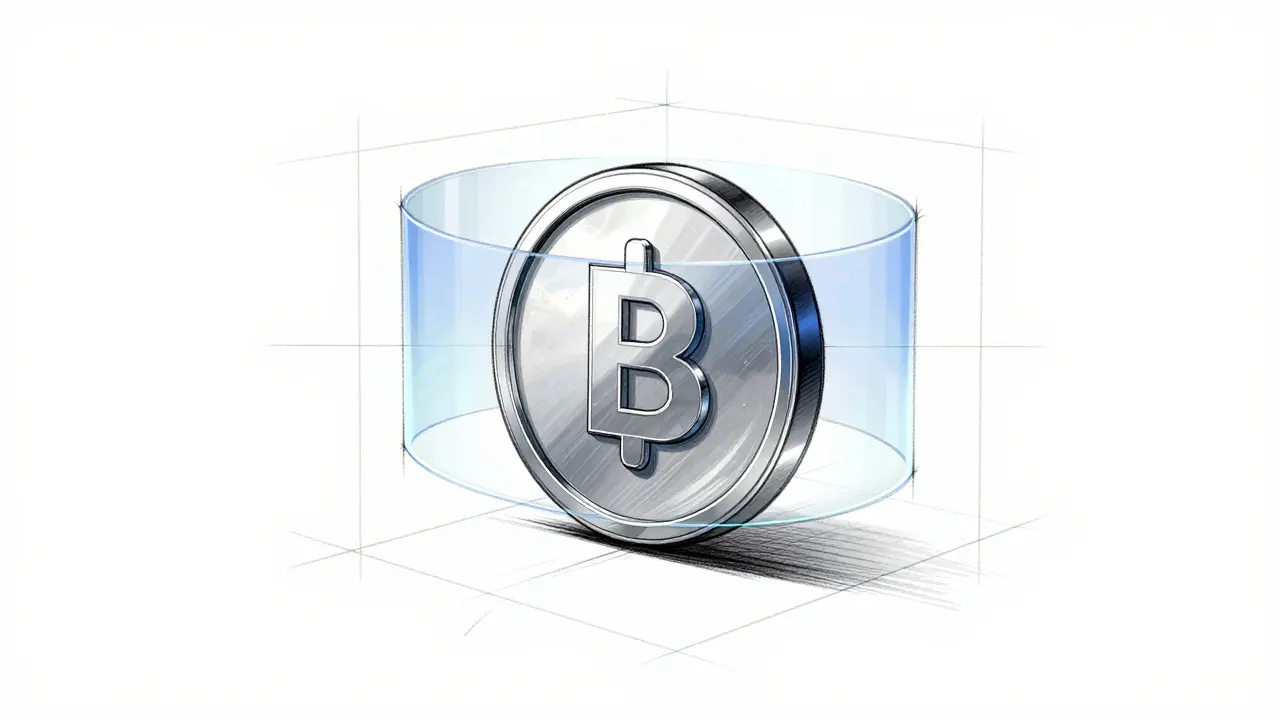
Imagine owning a digital asset that doesn't just live on one blockchain, but exists simultaneously across several, all while keeping the exact same contract address. That is the core promise of Holograph is an omnichain tokenization protocol that lets asset issuers create natively composable tokens that work across multiple blockchain environments . Instead of dealing with "wrapped" versions of tokens that act like IOUs, Holograph attempts to unify liquidity so your assets remain fungible regardless of which chain you're using.
How Holograph Actually Works
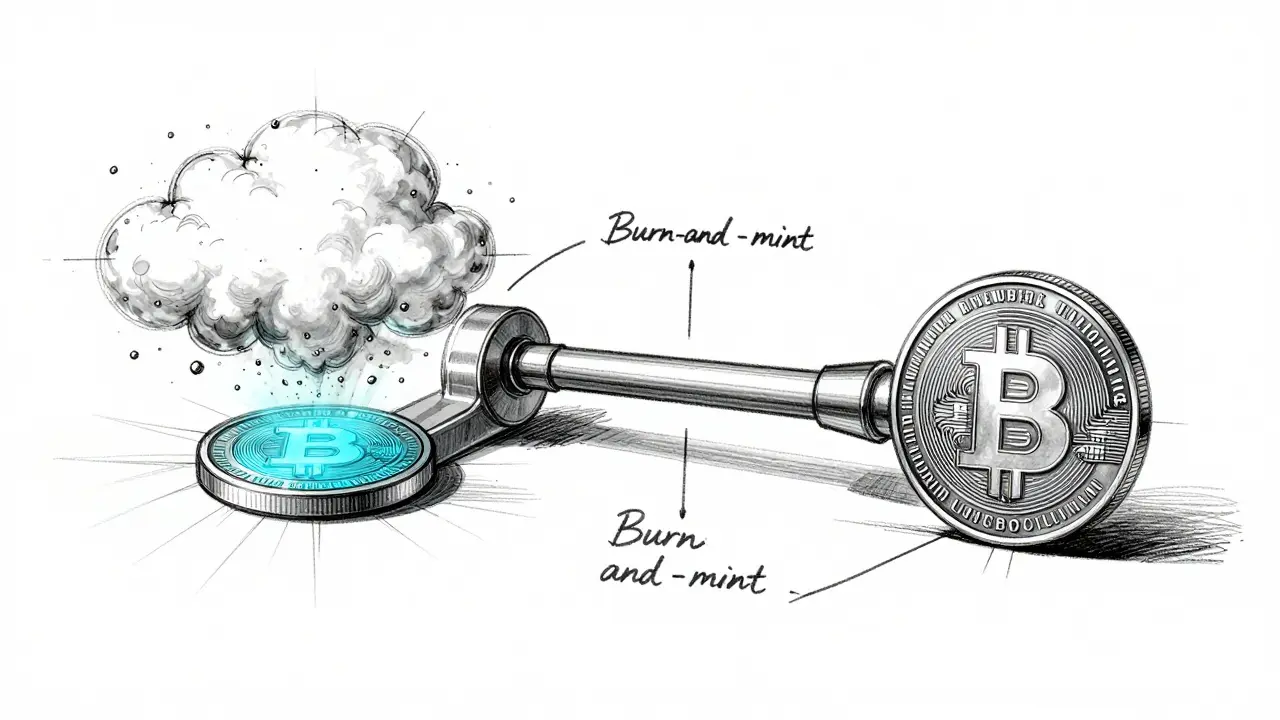
Most people are used to "bridging" assets, which usually involves locking a token on Chain A and minting a proxy token on Chain B. The problem? You now have two different tokens. Holograph flips this script using a burn-and-mint mechanism. Here is the step-by-step process:
- A token is burned (permanently removed) from the source blockchain.
- A message is sent via a messaging protocol to the destination blockchain.
- The exact same number of tokens are reminted on the destination chain.
Because the protocol maintains the same contract address across these environments, it eliminates the slippage and fragmentation often found in traditional bridges. For a developer, this means they don't have to manage a dozen different contract addresses for the same asset; it's one identity, multiple homes.
The HLG Token and Market Reality
The HLG token serves as the fuel for this ecosystem. However, looking at the numbers reveals a volatile history. While the project saw a massive surge in late January 2026-climbing about 46% in a single week-it's still trading far below its early peaks. To give you a concrete example, the all-time high hit roughly $0.0218 in early 2024, meaning current prices are down significantly from that era.
| Attribute | Value |
|---|---|
| Current Price | $0.00001518 USD |
| Market Capitalization | $210,819 USD |
| Circulating Supply | 1.525 Billion HLG |
| Total Supply | 9.98 Billion HLG |
| 24h Trading Volume | $88,155.48 USD |
Holograph vs. The Giants: Comparison
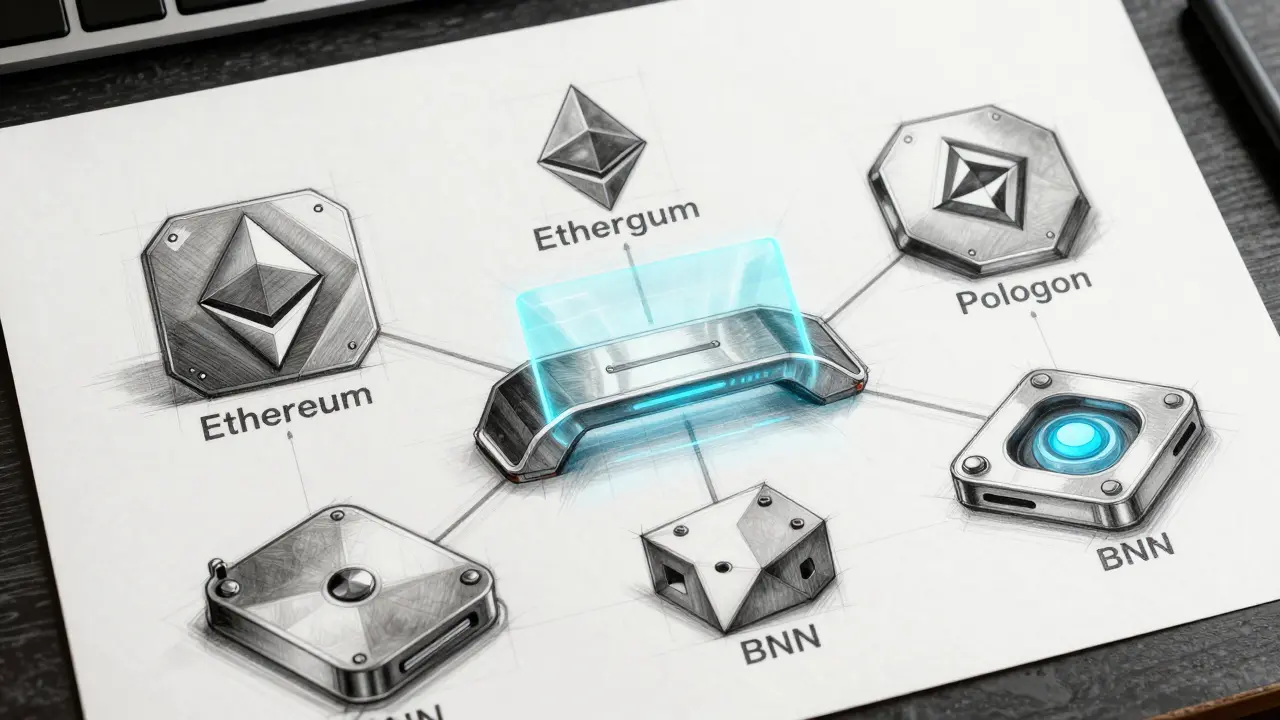
Holograph isn't alone in the cross-chain space. It competes with heavyweights like LayerZero, Wormhole, and Chainlink CCIP. The main difference is the approach to liquidity. While Chainlink CCIP often maintains separate liquidity pools for different chains, Holograph focuses on the single-address fungibility model.
But there is a catch: scale. LayerZero supports over 40 different chains, whereas Holograph has been largely limited to Ethereum, Polygon, and BNB Chain. This creates a massive gap in adoption. While LayerZero has a market cap in the billions, Holograph is currently a niche player, representing a tiny fraction of the overall cross-chain infrastructure market.
Who Is This For?
If you're a casual trader, HLG might look like a high-risk, high-reward micro-cap coin. But the protocol itself is built for a different crowd: developers and asset issuers. If you are launching a cross-chain NFT project or an experimental DeFi application, Holograph provides the tools to keep your assets cohesive.
That said, the learning curve isn't instant. Based on GitHub documentation, an experienced blockchain developer using Solidity will likely need two to three weeks to fully wrap their head around the implementation. It's not a "plug-and-play" solution for beginners; it's a technical toolkit for those who understand how to manage smart contracts across networks.
Risks and Red Flags
You can't talk about micro-cap omnichain protocols without mentioning risk. Security experts have pointed out that by operating across multiple chains, Holograph increases its "attack surface." Basically, if any one of the supported chains has a critical vulnerability, it could potentially compromise the assets moving through the protocol.
There is also the liquidity issue. Some traders have noted that the trading volume is small enough that trying to move large positions can cause massive price swings (slippage). Furthermore, the ROI for early investors who joined during the May 2024 IEO has been brutal, with prices dropping nearly 99.9% from that initial offering price.
What's Next for Holograph?
The project isn't standing still. To combat its limited reach, the team has announced plans to integrate with Solana, Avalanche, and Optimism by the second quarter of 2026. They've also put up a $500,000 developer grant program to attract more builders.
Whether these moves are enough to survive the "great consolidation" of cross-chain protocols is the big question. Industry analysts suggest that by 2027, the market will likely shrink from a dozen competing protocols down to just five or seven major players. Holograph's ability to prove its product-market fit will determine if it's one of the survivors or another footnote in crypto history.
What makes Holograph different from a standard bridge?
Standard bridges often create "wrapped" tokens, meaning you have a different token on the destination chain. Holograph uses a burn-and-mint process to keep the same contract address across chains, ensuring the asset remains the same original token rather than a proxy.
Is HLG a safe investment?
HLG is considered a high-risk asset. It has a very low market cap, limited liquidity, and a history of significant price drops from its IEO and all-time highs. It should be treated as a speculative micro-cap investment.
Which blockchains does Holograph support?
As of early 2026, it primarily supports Ethereum, Polygon, and BNB Chain, with planned expansions to Solana, Avalanche, and Optimism.
How do I add HLG to my wallet?
You can add HLG to MetaMask by manually entering the contract address: 0x740df024ce73f589acd5e8756b377ef8c6558bab, or by using a one-click addition tool via platforms like CoinGecko.
Who is the target audience for the Holograph protocol?
The protocol is designed for asset issuers and blockchain developers who need to deploy NFTs or fungible tokens across multiple chains without fracturing their liquidity or changing their contract addresses.


