
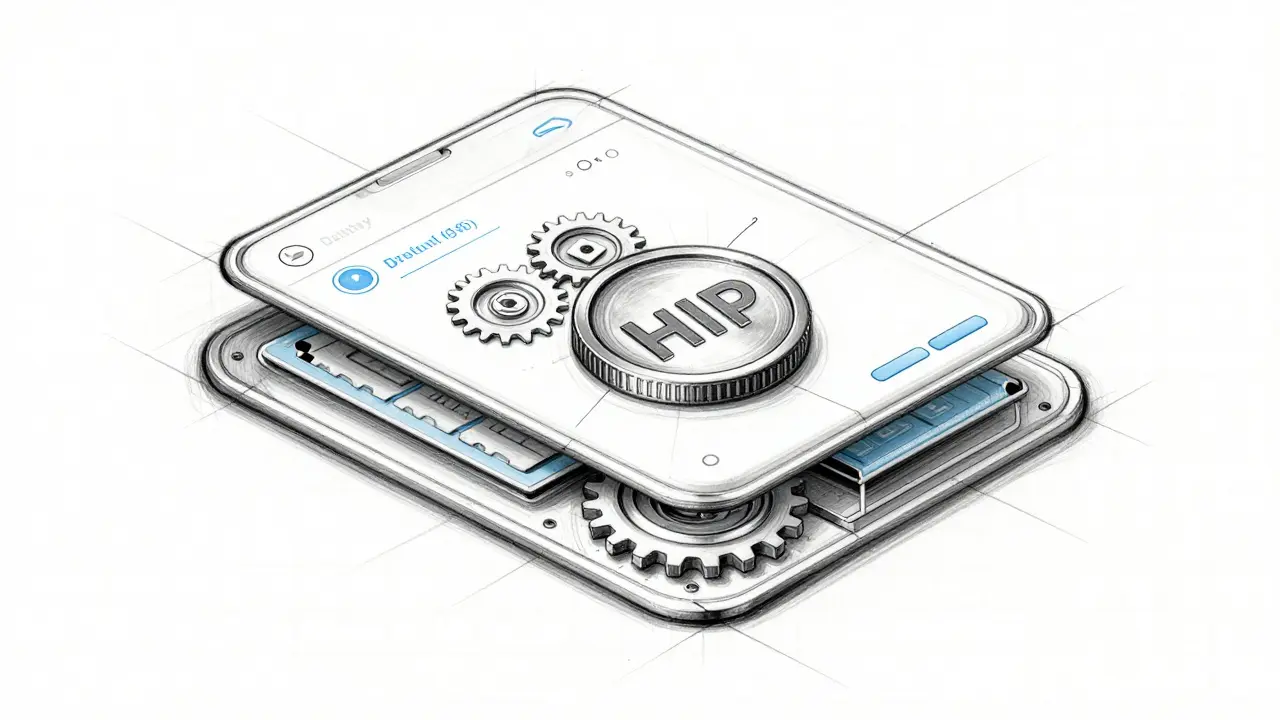
You’ve probably seen the ticker HIP and wondered if it’s just another dog-themed meme coin trying to catch a wave. It’s not quite that simple. HIPPOP is a cryptocurrency token that blends meme culture with actual utility features like voting, raffles, and creator support. While it wears the hat of a meme token, its architecture aims to do more than just pump and dump. It tries to solve a specific problem in Web3: how to keep users engaged after the initial hype fades.
If you are looking at this token from Wellington or anywhere else in the world, you need to know one thing first: this is a high-risk asset. The price data varies wildly across exchanges, and the project is still finding its footing. But if you want to understand what makes HIPPOP different from your average Shiba Inu clone, we need to look under the hood at its mechanics, its partners, and the real risks involved.
The Core Identity: More Than Just a Meme?
Most meme coins rely entirely on community sentiment. If people stop talking about them, the value drops to zero. HIPPOP positions itself as a "utility-driven meme token." What does that actually mean for you? It means the token is designed to be used within a specific ecosystem rather than just held as a speculative bet.
The project explicitly states there are no Venture Capital (VC) institutions behind it. This is a double-edged sword. On one hand, it promises fair distribution to the community, avoiding the scenario where early investors dump tokens on retail buyers. On the other hand, it means there is no massive war chest of institutional funding to weather bad market cycles. The entire survival of the token depends on organic community growth and the success of its partnerships.
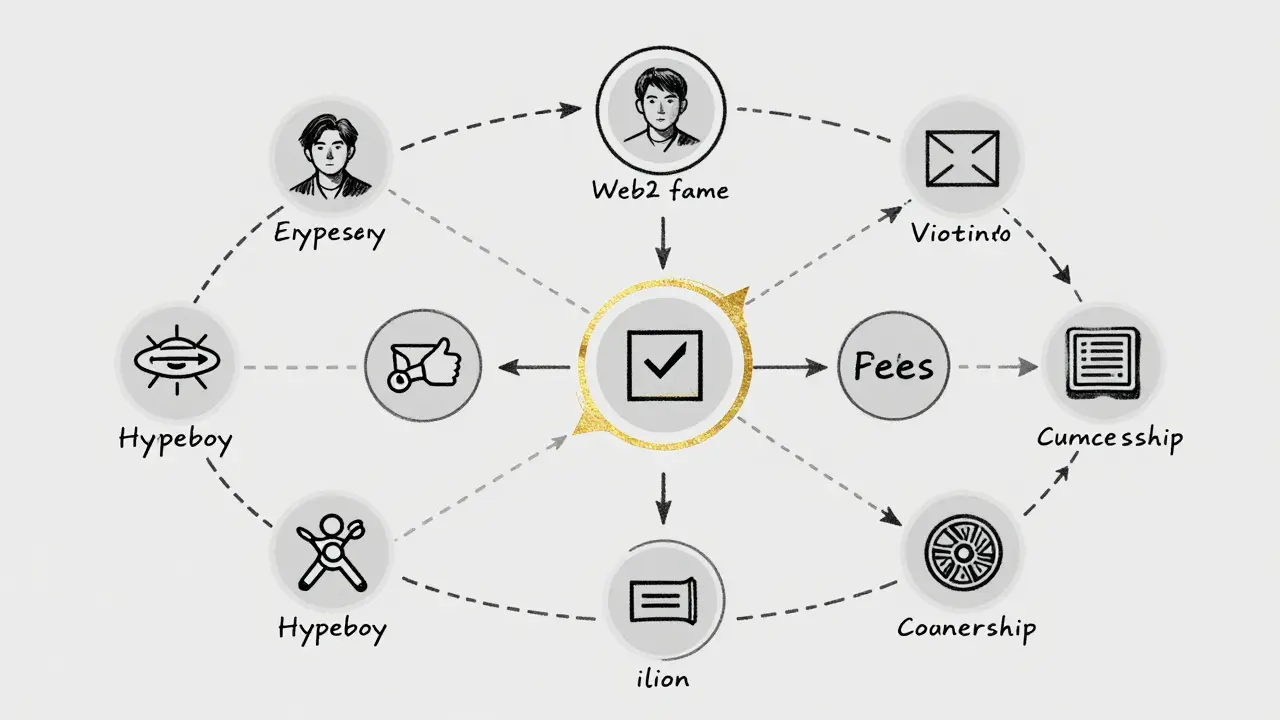
The core partners driving this ecosystem are Hypeboy, HypeBeans, and ilion. These aren't just random names; they represent key nodes in the Web3 creator economy. By linking HIP to these entities, HIPPOP attempts to create a closed loop where the token has inherent demand because it grants access to exclusive events, digital goods, and creator collaborations.
Four Pillars of HIPPOP Utility
Let’s break down exactly what you can do with HIP tokens. If you buy in, you are buying into four specific functions. Without these, HIP would just be another logo on a chart.
- Voting Mechanism: Holders can vote for creators within the HIPPOP app. This isn’t just a popularity contest. Your votes determine which artists get featured in HypeLab events, exhibitions, and performances. You are essentially curating the content of the platform.
- On-Chain Raffles: This is a major feature for transparency. Users can enter raffles for NFTs, physical collaboration goods, and tickets to Web3 performances. Because these happen on-chain, anyone can verify the results. No backroom deals. This also serves as an onboarding tool for Web2 users who might be scared of complex trading but love winning prizes.
- Token Benefits: A portion of profits from swaps and raffles goes back to the ecosystem. The operating team uses this to boost the value of HIP through advertisements and other business models. Think of it as a dividend-like mechanism, though it’s reinvested into the brand rather than paid out directly.
- Sustainability via Fees: The project generates revenue from swap fees and raffle entry fees. This cash flow is supposed to sustain the ecosystem long-term, reducing reliance on constant new investor money.
Market Data Confusion: Why Prices Vary
Here is where things get tricky. If you check three different websites right now, you will see three different prices for HIP. This is common for smaller-cap tokens with fragmented liquidity.
| Platform | Price (USD) | 24h Volume | Note |
|---|---|---|---|
| CoinGecko | $0.0003382 | $234,173 | Higher volume, likely aggregated DEX data |
| CoinCarp | $0.000336 | $96,677 | Lower volume, slight price variance |
| Binance | $0.000336 / $0.000118 | $12,286 | Significant discrepancy indicates potential listing issues or multiple pairs |
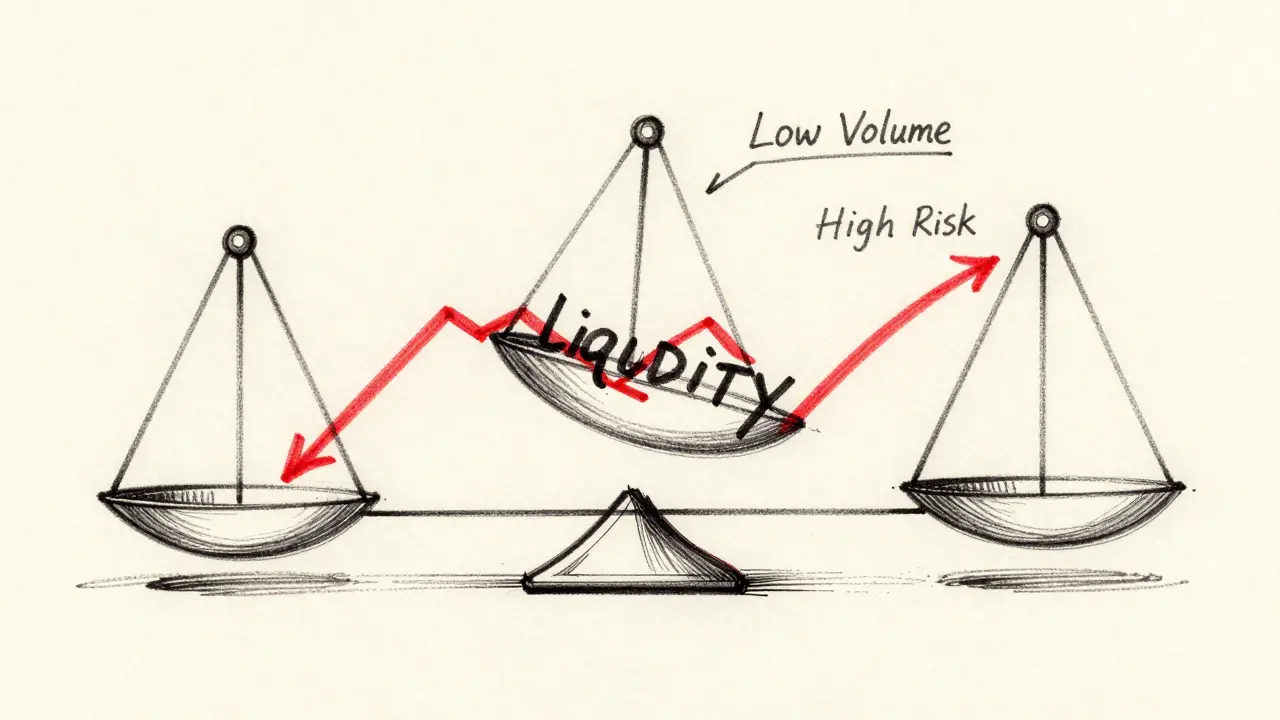
Notice the Binance data? It lists two vastly different prices. This suggests either a data error, a delisted pair showing old data, or extreme slippage in low-volume trades. For a trader, this is a red flag. It means you might not be able to sell your tokens easily without crashing the price locally. Always check the liquidity depth before buying.
Despite the short-term noise, the long-term trend shows some resilience. Over the last year, HIP has gained roughly 47.7%. However, don’t let that number fool you. The all-time high was $0.184, and the current price is a fraction of that. You are looking at a token that has dropped over 99% from its peak. Recovery is possible, but it requires massive adoption of the utility features mentioned above.
Avoiding the Name Trap: HIP vs. HIPPO vs. HIPHOP
This is critical. Do not confuse HIPPOP with other similarly named tokens. The crypto space is littered with copycats and confusing tickers.
- HIPPO (on BSC): This is part of the Cycan ecosystem. It focuses on DAO governance and daily airdrops. It operates on Binance Smart Chain. It is a completely different project with different technology and goals.
- Hip Hop (HIPHOP): Another distinct token, ranked much lower in market cap. It has no relation to the HIPPOP ecosystem.
If you send funds to the wrong contract address because you confused HIP with HIPPO, those funds are gone forever. Always verify the smart contract address on official channels before interacting with any wallet.
Risks and Realities for Investors
Let’s talk about the downsides. Being "community-driven" sounds great until you realize there is no central authority to fix bugs or prevent scams. The lack of VC backing means there is no safety net. If the developer team disappears, the token could become worthless overnight.
Furthermore, the technical documentation is sparse. We know it uses smart contracts for raffles, but we don’t have detailed audits or comprehensive whitepapers readily available in public sources. This opacity makes it hard for technical experts to assess security risks. Is the raffle code vulnerable to manipulation? Without an audit from a firm like CertiK or OpenZeppelin, you are trusting the developers’ word.
Liquidity is another major concern. With 24-hour volumes often below $100k on some platforms, large orders will move the price significantly. This makes HIPPOP unsuitable for anyone who needs quick access to their capital. It is a hold-and-hope asset, not a trading vehicle.
Future Outlook: Can Utility Save the Meme?
The success of HIPPOP hinges on one question: Will people actually use the app to vote and enter raffles? If the answer is yes, the fee revenue creates a sustainable model. If the answer is no, it reverts to being a pure speculation play.
The partnership with Hypeboy and ilion gives it a fighting chance. These brands have existing audiences. If they successfully onboard even a small percentage of their fans into the HIP ecosystem, the token could stabilize. The goal is to create "the most powerful set of products in the world" by merging Web2 fame with Web3 ownership. It’s an ambitious goal for a small token.
For now, treat HIP as a high-risk experiment in meme-token utility. It offers interesting mechanics, but it lacks the depth, liquidity, and security guarantees of established cryptocurrencies. Only invest what you can afford to lose, and always do your own due diligence on the contract addresses.
Is HIPPOP (HIP) a safe investment?
No, HIPPOP is considered a high-risk investment. It is a low-cap token with volatile pricing, limited liquidity, and minimal technical documentation. There is no venture capital backing, meaning there is no financial safety net if the project fails. Always research thoroughly and only invest funds you can afford to lose entirely.
What is the difference between HIPPOP and HIPPO?
They are completely different projects. HIPPOP (HIP) is a meme-inspired token with utility features like voting and raffles, partnered with Hypeboy and ilion. HIPPO is a token on the Binance Smart Chain associated with the Cycan ecosystem, focusing on DAO governance and airdrops. Confusing the two can lead to sending funds to the wrong address.
How does the HIPPOP raffle system work?
The raffle system allows HIP token holders to enter draws for NFTs, physical goods, and event tickets. These raffles are conducted on-chain, meaning the process and results are transparent and verifiable by anyone. This design aims to build trust and onboard new users from Web2 to Web3 experiences.
Why does the price of HIP vary so much between exchanges?
Price variations occur due to fragmented liquidity and low trading volumes. Different exchanges may have different amounts of buyers and sellers, leading to price discrepancies. Additionally, some platforms may display outdated data or list multiple trading pairs with different valuations. Always check multiple sources and consider the liquidity depth before trading.
Who are the partners of the HIPPOP ecosystem?
Key partners include Hypeboy, HypeBeans, and ilion. These organizations help drive the creator economy aspects of the HIPPOP app, allowing for events, exhibitions, and performances. Their involvement is crucial for providing real-world utility and user engagement beyond simple token speculation.