
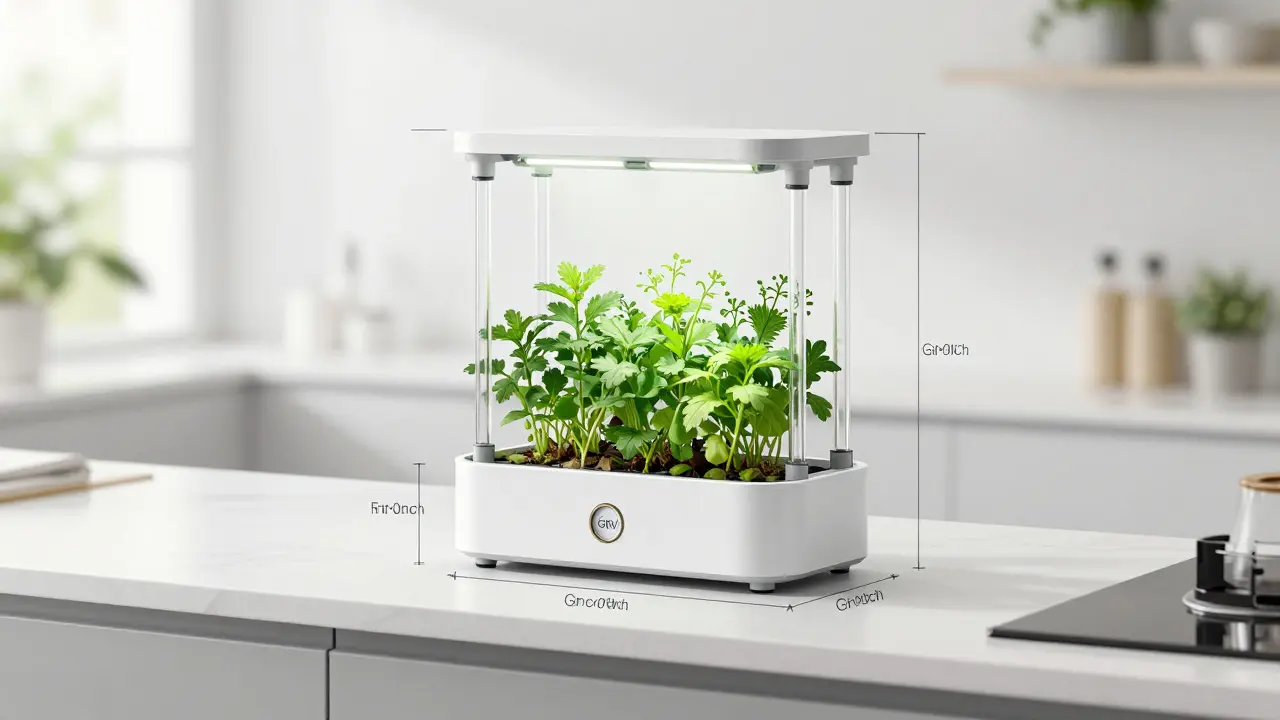
Ever heard of a cryptocurrency that doesn’t just trade coins but also grows food? That’s Grove Coin (GRV) - and it’s not another meme token pretending to be eco-friendly. It’s built from the ground up to fix real environmental problems, starting with how crypto mining eats up electricity.
Launched in January 2023, GRV replaced its old token GVR in a 1:1 billion swap. That’s right - one billion GVR became one GRV. The move wasn’t just cosmetic. It signaled a full reset, with a tighter supply and clearer mission: make crypto green, not guilty.
How Grove Coin Works - No Mining, No Waste
Most cryptocurrencies like Bitcoin rely on proof-of-work mining. That means thousands of computers running nonstop, using more power than entire countries. Grove Coin cuts that out entirely. It uses proof-of-stake (PoS), where users lock up their GRV tokens to help secure the network. No energy-hungry rigs. No massive carbon footprint.
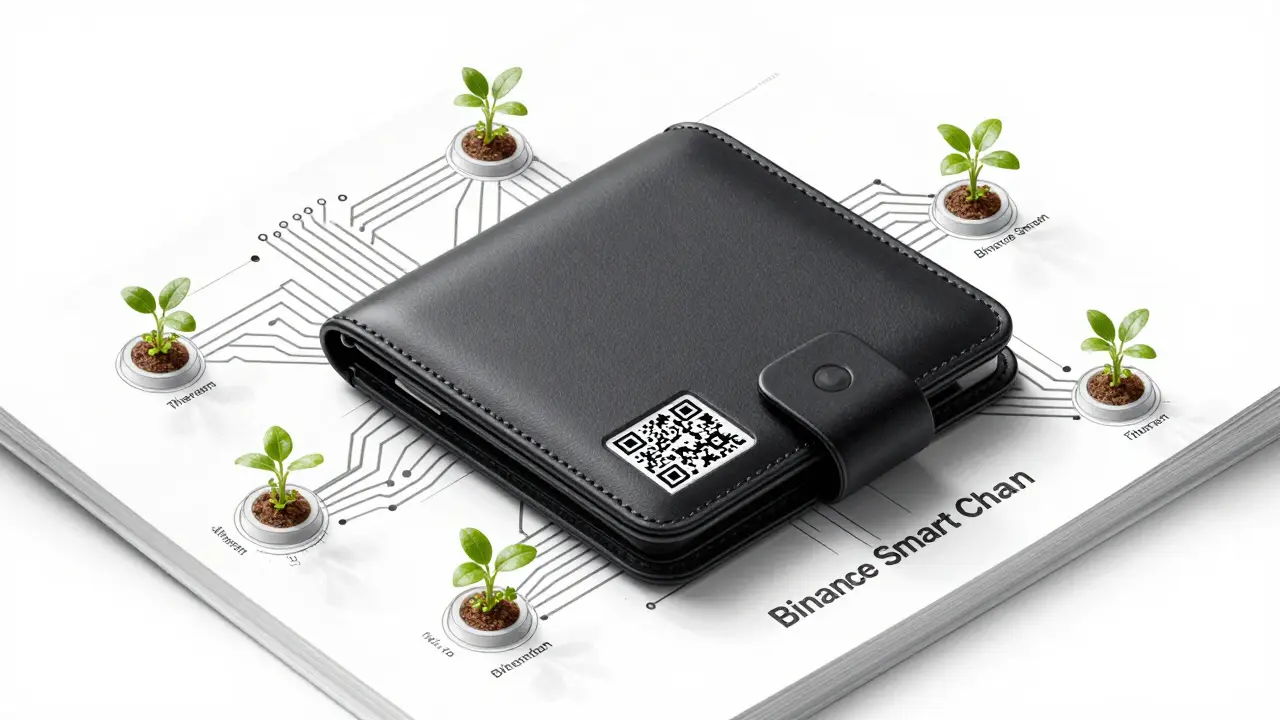
It runs on two major blockchains: Ethereum and Binance Smart Chain. This lets users interact with Grove’s tools whether they’re already using ETH or BNB. You don’t need to learn a whole new system. Just hold GRV, stake it, and start earning rewards without burning fossil fuels.
The "0% Tokenomics" Promise
Most DeFi tokens slap on fees - 5%, 8%, even 10% - every time you send, swap, or stake. Grove says no. Its "0% Tokenomics" means no extra charges. No hidden taxes. No surprise gas fees. If you send GRV, you pay only the standard network fee (like Ethereum’s gas). That’s rare. And it matters.
Why? Because fees kill adoption. If every little transaction costs you 7% in taxes, people stop using it. Grove wants its token to be used - not hoarded. That’s why they built GroveSwap, GroveKeeper, and GroveX around the idea of frictionless movement. The more GRV moves, the more value it creates.
Token Supply and Value Engine
The total supply of GRV is capped at 100 million. Right now, about 74 million are in circulation. The rest? Locked up for future development, team incentives, and community rewards.
Here’s the twist: Grove plans to burn tokens. Not just a little. A lot. A chunk of every profit the project makes goes back into buying GRV off the market and destroying it. Fewer coins in circulation? That can push prices up over time. It’s not guaranteed - markets are wild - but it’s a real mechanism, not just a promise on a whitepaper.
As of March 2026, GRV’s market cap sits at BTC 2.4905. Its 24-hour volume is around $122,743. That’s modest compared to giants like Ethereum, but for a project focused on sustainability over hype, it’s a solid start.
The Grove Ecosystem - More Than Just a Token
GRV isn’t just a coin. It’s the heartbeat of a whole ecosystem:
- GroveKeeper: A secure, easy-to-use wallet for storing GRV and interacting with DeFi apps. No need for advanced tech knowledge.
- GroveSwap: A decentralized exchange where you can swap GRV for other tokens without a middleman.
- GroveX: A centralized exchange - still in development - meant to make buying GRV easier for beginners.
Then there’s GreenOasis. This isn’t a product. It’s a movement. GreenOasis helps other eco-friendly crypto projects get visibility. Think of it like a startup incubator for green blockchain ideas. Grove doesn’t just want to be green - it wants to grow the entire green crypto movement.
Real-World Impact: Hydroponic Farms, Not Just Code
This is where Grove stands out. Most crypto projects talk about "saving the planet." Grove actually grows food.
They design and ship hydroponic farming kits worldwide. These are compact, water-efficient systems that grow herbs, lettuce, and veggies without soil. Perfect for places with droughts, polluted soil, or no farmland. You can buy one from their platform, set it up in your kitchen, and grow your own food - all powered by the same ethos behind GRV.
It’s not marketing. It’s measurable. They’ve shipped over 15,000 units to 37 countries. In Kenya, they partnered with schools to install kits that now feed 800 students daily. In Australia, community gardens use them to grow food in urban apartments. This isn’t a side project. It’s core to their identity.
The Team Behind It - Dubai Connections Matter
The team isn’t anonymous. CEO John Ghemrawi has over five years in crypto, plus a leadership role in Dubai’s Metaverse Strategy. COO Carlo Di Clemente and CMO Nouha Elmasri bring real-world business and marketing experience.
Why does that matter? Because Dubai is becoming a global hub for crypto regulation. Having a team with ties to the city’s government and business leaders means Grove has a better shot at navigating rules, getting licenses, and scaling responsibly. Most crypto projects fight regulators. Grove is trying to work with them.
Security and Trust - Audited and Verified
Before launch, Grove had its smart contracts audited by two top security firms: StaySAFU and CertiK. These aren’t cheap, one-off checks. They’re thorough, public, and respected in crypto. Their reports are available online. No shady code. No hidden backdoors.
That’s a big deal. Too many crypto projects skip audits and vanish when prices drop. Grove didn’t. They put their code under a microscope - and passed.
What’s Next? The Roadmap
The roadmap isn’t just buzzwords. It’s a clear sequence:
- Play-to-earn game focused on sustainability (think: planting virtual trees that fund real ones)
- Cryptocurrency credit cards that reward users for eco-friendly spending
- An online store selling sustainable farming tools (expanding the hydroponic kits)
- An NFT marketplace for green art and carbon-offset certificates
Each step ties back to the same goal: make sustainability easy, rewarding, and profitable - using crypto as the engine.
Is Grove Coin Worth It?
Is GRV the next Bitcoin? No. It won’t make you rich overnight. But if you care about crypto that does more than flip coins - if you want a project that plants trees, feeds people, and cuts energy waste - then GRV is one of the few that actually walks the talk.
It’s not perfect. The burning mechanism lacks public detail. The whitepaper is light on technical specs. And the market is still small. But the team is real. The projects are live. The audits are done. And the mission? It’s not just a slogan.
For now, GRV is a quiet player. But in a world full of crypto noise, sometimes the quiet ones are the ones that last.
What is Grove Coin (GRV) used for?
Grove Coin (GRV) is used to power a green blockchain ecosystem. It enables staking on the Grove network, swapping on GroveSwap, storing in GroveKeeper, and accessing future services like crypto credit cards and an NFT marketplace. It also funds real-world sustainability projects, including hydroponic farming kits shipped globally.
Is Grove Coin a scam?
No, Grove Coin is not a scam. It has been audited by two reputable firms - StaySAFU and CertiK - and its team is publicly identified with verifiable backgrounds in crypto and business. It also runs real-world programs like hydroponic farming, which have been documented in multiple countries. While it’s still a small project, its transparency and tangible impact set it apart from anonymous or hype-driven tokens.
How can I buy Grove Coin (GRV)?
You can buy GRV on decentralized exchanges like GroveSwap or centralized exchanges that list it (GroveX is in development). You’ll need a wallet like MetaMask or Trust Wallet connected to Ethereum or Binance Smart Chain. Always verify the contract address before buying - never trust links from social media.
Does Grove Coin have a future?
Its future depends on execution. The team has real-world experience, a clear roadmap, and a unique blend of crypto and sustainability. If they deliver on their planned products - like the play-to-earn game and credit cards - and continue expanding their farming initiatives, GRV could become a leading green crypto asset. But it’s still early, and the market is volatile.
What makes Grove Coin different from other green crypto coins?
Most green coins just claim to be eco-friendly. Grove Coin actually builds things: hydroponic farms, real products, and partnerships that reduce food insecurity. It also uses 0% tokenomics - no hidden fees - and has a clear burning mechanism to reduce supply. Its team has direct ties to Dubai’s regulatory environment, giving it a practical edge over projects that exist only on paper.


