
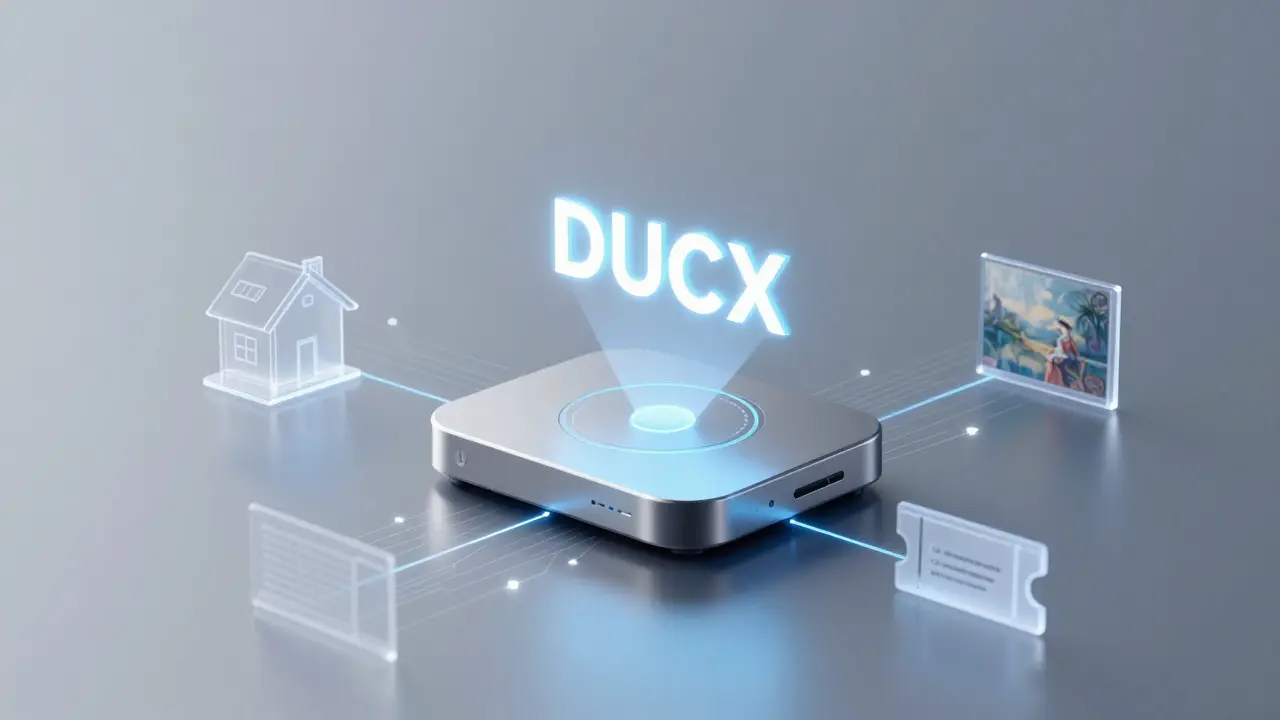
The DucatusX (DUCX) blockchain isn't just another cryptocurrency. It's built around a single, focused idea: turning real-world assets into digital tokens you can trade, split, or transfer like code. Think of it as a digital printing press for value - not just money, but anything from real estate shares to art rights or even loyalty points. Unlike most coins that try to be everything, DUCX is designed to be the engine behind this process, not the end product itself.
What DUCX Actually Does
DUCX isn't meant to be spent on coffee or used as a store of value like Bitcoin. Its job is to pay for every action inside the DucatusX network. Every time someone creates a new tokenized asset, transfers ownership, or interacts with a smart contract on the platform, DUCX is used to cover the fee. It's the fuel. Without it, nothing runs.
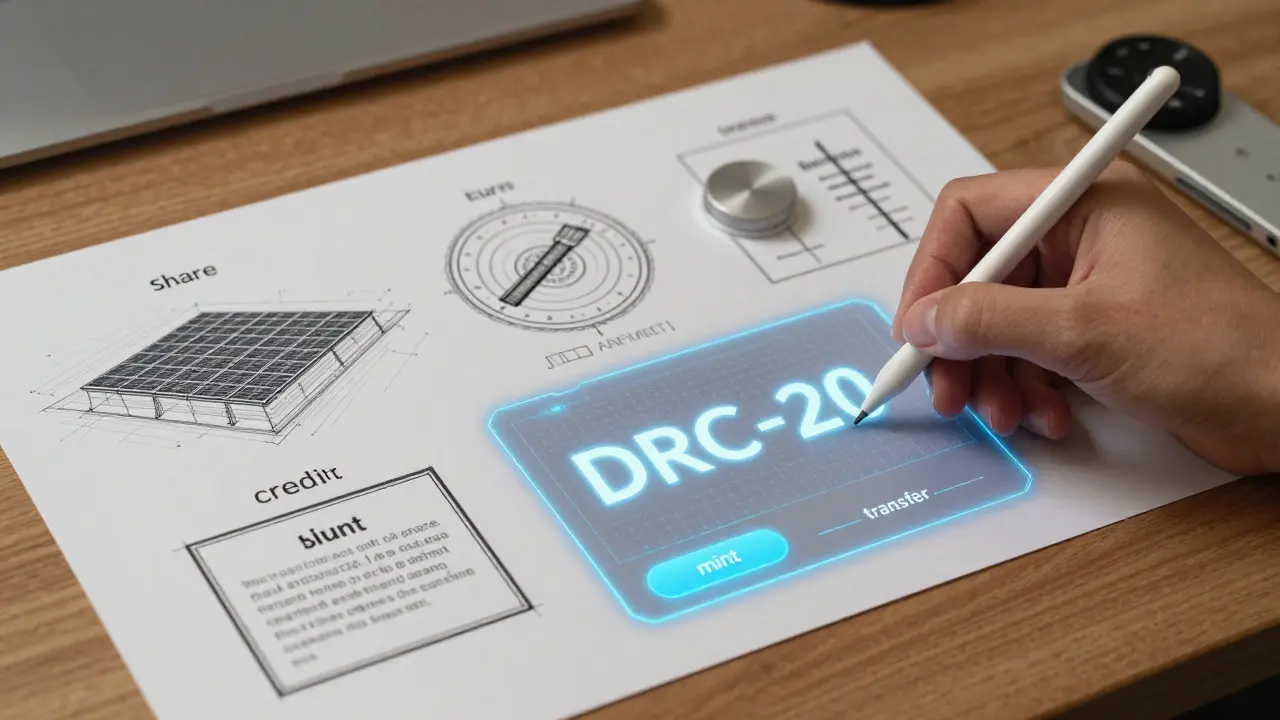
The real innovation isn't the coin - it's the DRC-20 token standard. This is DucatusX's own rulebook for how digital assets are created. It lets anyone define what they're tokenizing - a house, a patent, a music license - then set exactly how many units exist. You can't print more. You can't delete them. They're locked on the blockchain. The whitepaper calls this "the printing press for digital value," and it's why the project exists.
The Two Tokens: DUCX and WDucatusX
DucatusX runs on a dual-token system. The first is DUCX, the native coin that powers everything on-chain. The second is WDucatusX, a wrapped version made to trade on external exchanges like PancakeSwap.
Why two? Because DUCX is designed to stay inside the DucatusX ecosystem. It's not meant to be traded on Binance or Coinbase. But if you want to buy or sell it on an exchange, you use WDucatusX. Think of it like converting your US dollars to Euros before traveling - you're still holding the same value, but in a form that works where you are.
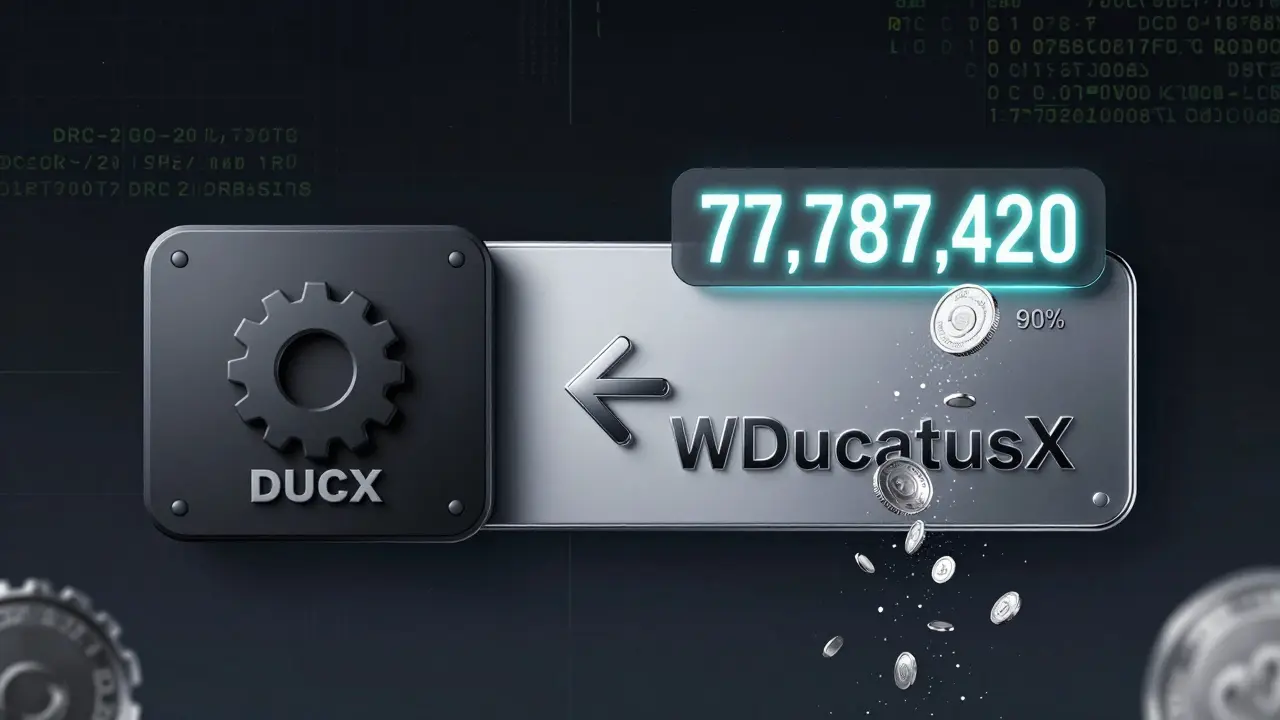
The WDucatusX supply is carefully controlled. Over a three-year period, new tokens are minted - but 90% of them are immediately burned. The goal? To end up with just 77,787,420 WDucatusX tokens in circulation. That’s a deliberate scarcity mechanism meant to avoid inflation and maintain value.
How It Fits Into Web 3.0
DucatusX positions itself as a Web 3.0 alternative to the centralized databases that power today's internet. In Web 2.0, companies like Facebook or Amazon own your data. In Web 3.0, you do. DucatusX applies that idea to assets. Instead of a bank holding your property title, or a company controlling your music rights, the blockchain does. No middleman. No approval needed. Just code.
The platform is built to let developers create applications on top of it - like a digital Lego set. Each app can tokenize something new: a carbon credit, a share in a solar farm, a ticket to a live concert. And because they're all built on the same DRC-20 standard, they can talk to each other. A ticket app could automatically send ownership to a resale app. A real estate token could trigger a payment through a lending app. That interoperability is what makes it more than just another blockchain.
Market Data as of March 2026
As of October 14, 2025, DUCX was trading at $0.007331 USD, according to CoinMarketCap. The 24-hour trading volume was around $81,534 - modest compared to major coins, but steady for a project of its size.
The circulating supply is 280 million DUCX tokens. That gives it a market cap of roughly $2.04 million, as tracked by CoinGecko. This puts it firmly in the micro-cap category - small, risky, but with room to grow if adoption picks up.
It’s listed on exchanges like KuCoin and LBank. LBank notes that DUCX "is frequently traded, with constant price fluctuations," which means traders are active, even if the overall user base is still small. That volatility is typical for niche projects - it’s not a bug, it’s a feature of early-stage markets.
What’s Actually Built on It?
Right now, the ecosystem is light. The whitepaper talks about "endless possibilities," but the real-world examples are few. The only project mentioned by name is QMN (Queen...), which is listed on KuCoin. That’s it. No major DeFi apps, no NFT marketplaces, no dApps with thousands of users.
This is the biggest question: Is DucatusX a visionary platform or a solution without a problem? It has a clear technical blueprint, but adoption is lagging. Without more projects using its tokenization tools, DUCX remains just a utility token with limited real-world use.
Who Should Care About DUCX?
If you're a developer looking to tokenize assets without building a whole new blockchain from scratch, DucatusX offers a ready-made toolkit. The token creation tool at ducx.mywish.io/create lets you test your asset on the testnet before going live. That’s useful for early adopters.
If you're a trader, DUCX offers volatility and low liquidity - which can mean big swings in price. But with a market cap under $3 million, even a small influx of cash can move the needle. That’s high risk, high reward territory.
If you're just starting out in crypto, DUCX isn't a safe bet. It's not backed by a big team, it has no major partnerships, and it doesn't have the community traction of projects like Ethereum or Solana. It's a speculative play on a specific idea - asset tokenization - not a broad infrastructure upgrade.
The Big Unknown: Will It Grow?
DucatusX has a solid whitepaper. The tech makes sense. The DRC-20 standard is clever. But crypto doesn't run on ideas - it runs on adoption.
Will more developers build on it? Will institutions use it to tokenize bonds or commodities? Will it attract venture funding or integration with real-world payment systems? Right now, there's no sign of that.
Its future hinges on one thing: whether people start using it to tokenize real things. Until then, DUCX remains a quiet experiment in a crowded field - a blockchain with a clear purpose, but no crowd yet.
What is the DRC-20 standard in DucatusX?
The DRC-20 standard is DucatusX's own token creation protocol. It lets users define digital versions of any asset - like real estate, intellectual property, or event tickets - and lock in a fixed supply. Unlike ERC-20 tokens on Ethereum, DRC-20 is designed specifically for asset tokenization with built-in controls on quantity and transfer rules. It's the core technology that makes DucatusX different from other blockchains.
How is DUCX different from Bitcoin or Ethereum?
Bitcoin is digital gold - a store of value. Ethereum is a platform for smart contracts and dApps. DUCX is neither. It's a utility token that powers a specific system: asset tokenization. You don't hold DUCX to speculate on price. You hold it to pay fees for creating or transferring tokenized assets. Its value comes from usage within the ecosystem, not from being a currency.
Can I buy DUCX on Coinbase or Binance?
No, DUCX is not listed on Coinbase or Binance. It's available on smaller exchanges like KuCoin, LBank, and PancakeSwap (via its wrapped version, WDucatusX). If you want to buy it, you'll need to use one of these platforms. Always check the official DucatusX website for the latest listing updates.
Is DucatusX a good investment?
It’s not a traditional investment. With a market cap under $3 million and limited adoption, DUCX is a high-risk, speculative play. It has potential if the asset tokenization market grows, but right now, there’s little evidence of real-world usage beyond a few listed projects. Only invest what you can afford to lose, and treat it as a bet on a niche idea - not a long-term holding.
What is WDucatusX?
WDucatusX is a wrapped version of DUCX designed to trade on external exchanges like PancakeSwap. While DUCX is meant to stay inside the DucatusX ecosystem, WDucatusX lets users buy and sell the asset on platforms that don’t support DUCX directly. The supply of WDucatusX is capped at 77,787,420 tokens after a 3-year minting and burning process, with 90% of newly minted tokens destroyed to maintain scarcity.
Does DucatusX have a roadmap for the future?
The whitepaper outlines a vision for expanding applications in tokenization and open finance, but no public roadmap with dates or milestones exists. There are no announced partnerships, feature launches, or development sprints. The project appears to be in a quiet phase - building slowly without public updates. This lack of transparency is a red flag for many investors.


