
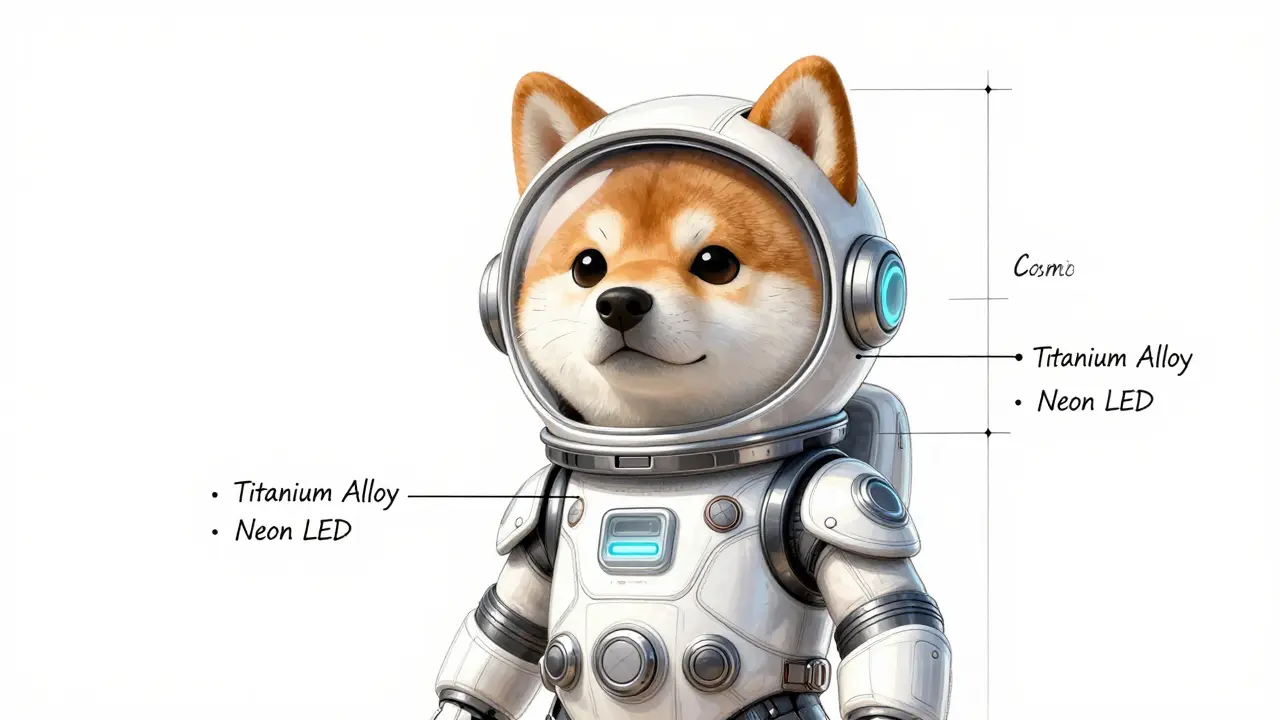
You’ve probably heard of Dogecoin. You’ve likely seen Shiba Inu pump and dump. But have you ever wondered what happens when a meme coin tries to live on six different blockchains at once? That’s the premise behind DogeVerse (DOGEVERSE). It isn’t just another token riding the coattails of internet humor; it’s an experiment in cross-chain utility wrapped in a space-traveling dog mascot.
If you are looking for a simple buy-and-hold asset that sits quietly in your wallet, this might not be it. If you are curious about how modern blockchain technology is trying to solve the problem of fragmented liquidity while keeping the fun factor alive, then DOGEVERSE deserves a closer look. Let’s break down what this project actually is, how it works, and whether the hype matches the tech.
The Core Concept: A Multichain Meme Token
At its heart, DogeVerse is the world's first truly multi-chain Doge-themed meme token cryptocurrency. Most meme coins launch on one network-usually Ethereum or BNB Chain-and stay there. If you want to move them elsewhere, you need complicated wrapping mechanisms or third-party bridges that often fail or get hacked. DogeVerse was built differently from day one.
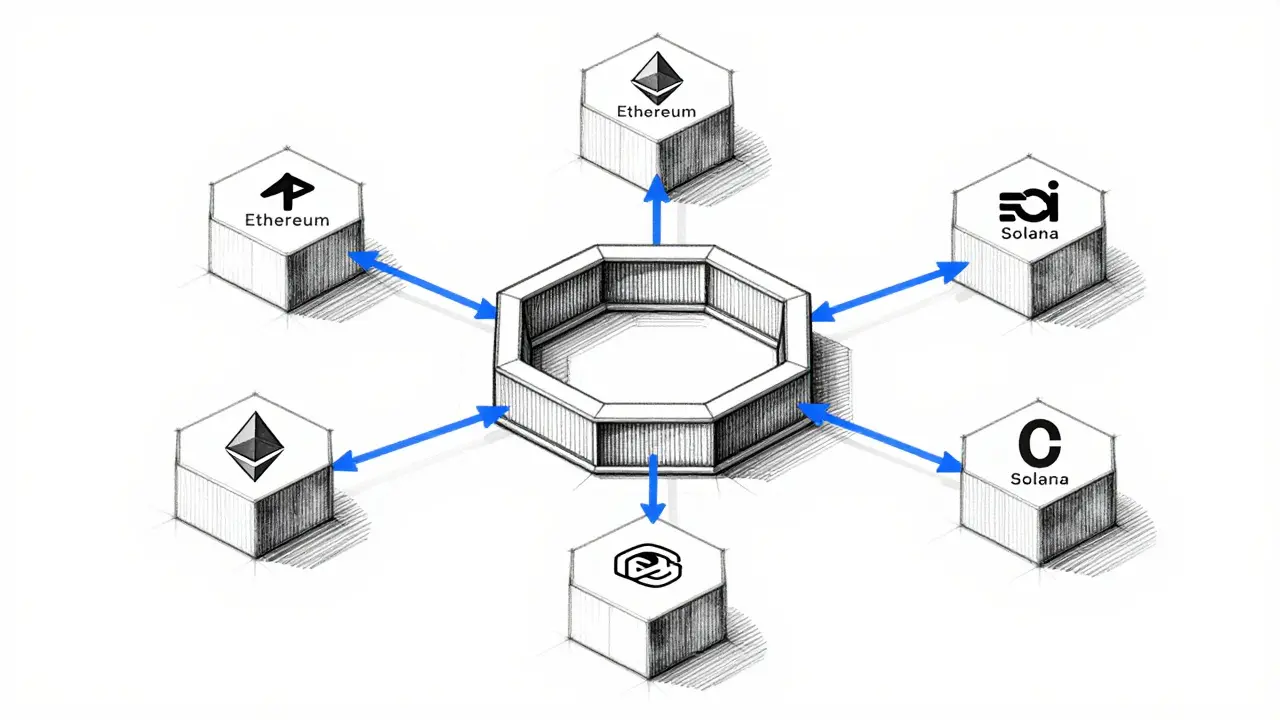
Launched on June 5, 2024, the project raised $17 million during its Initial Coin Offering (ICO), which ran from April 8 to June 8, 2024. This funding allowed the team to deploy the token natively across six major blockchain networks simultaneously:
- Ethereum (ETH)
- BNB Chain
- Polygon (POLY)
- Base
- Solana (SOL)
- Avalanche (AVAX)
This isn't just listing the same contract address everywhere. The project uses advanced bridging technology to create true variants on each chain. This means if you hold DOGEVERSE on Solana, it is native to that ecosystem, not a wrapped version sitting in a vault on Ethereum. This approach aims to reduce friction for users who prefer specific chains for their speed or low fees.
The Story Behind the Tech: Meet Cosmo
Crypto projects need narratives to build community, and DogeVerse leans heavily into its branding. The central figure is Cosmo, a chain-traveling Doge character who ventures across the crypto multiverse using Portal Bridge wormholes. While this sounds like marketing fluff, it serves a functional purpose: it explains the complex concept of cross-chain interoperability in a way that is accessible to casual users.
Cosmo doesn't just hop between chains for fun. The narrative reinforces the technical reality that DOGEVERSE exists everywhere. When you see Cosmo traveling through a "wormhole," think of the underlying Portal Bridge utilizing Wormhole technology to facilitate seamless and secure transfers between different blockchain networks. This integration is significant because Wormhole is a mature infrastructure protocol used by many serious DeFi projects, not just meme coins. By leveraging this, DogeVerse attempts to bring institutional-grade security to a retail-focused product.
How Does the Technology Actually Work?
The magic word here is "interoperability." In the past, moving assets between chains was risky and expensive. You had to trust a centralized bridge or use a convoluted process involving multiple swaps. DogeVerse simplifies this by deploying native contracts on all supported chains via the Portal Bridge.
Here is why this matters for you as a user:
- Lower Gas Fees: If Ethereum gas fees spike, you can trade your DOGEVERSE on Polygon or Base where costs are fractions of a cent. You aren't locked out of the market because one chain is congested.
- Reduced Single-Point Failure Risk: If a vulnerability is discovered on one specific blockchain's consensus layer, your holdings on other chains remain unaffected. Diversification at the infrastructure level.
- Broader Accessibility: Users who only use Solana wallets don't need to learn how to set up MetaMask for Ethereum to participate in the ecosystem.
However, complexity comes with trade-offs. Managing tokens across six different networks requires you to understand which native currency you need for gas fees on each chain (ETH for Ethereum, SOL for Solana, etc.). For a beginner, this learning curve is steeper than buying Bitcoin.
Tokenomics and Staking Mechanics
Let’s talk numbers. During the ICO, 57 billion DOGEVERSE tokens were sold at approximately $0.0000057 per token. The total supply structure includes a dedicated portion for incentives. Specifically, 10% of the total token supply is reserved for staking rewards.
Staking is a key component of the project’s attempt to add utility beyond speculation. Here is how it works:
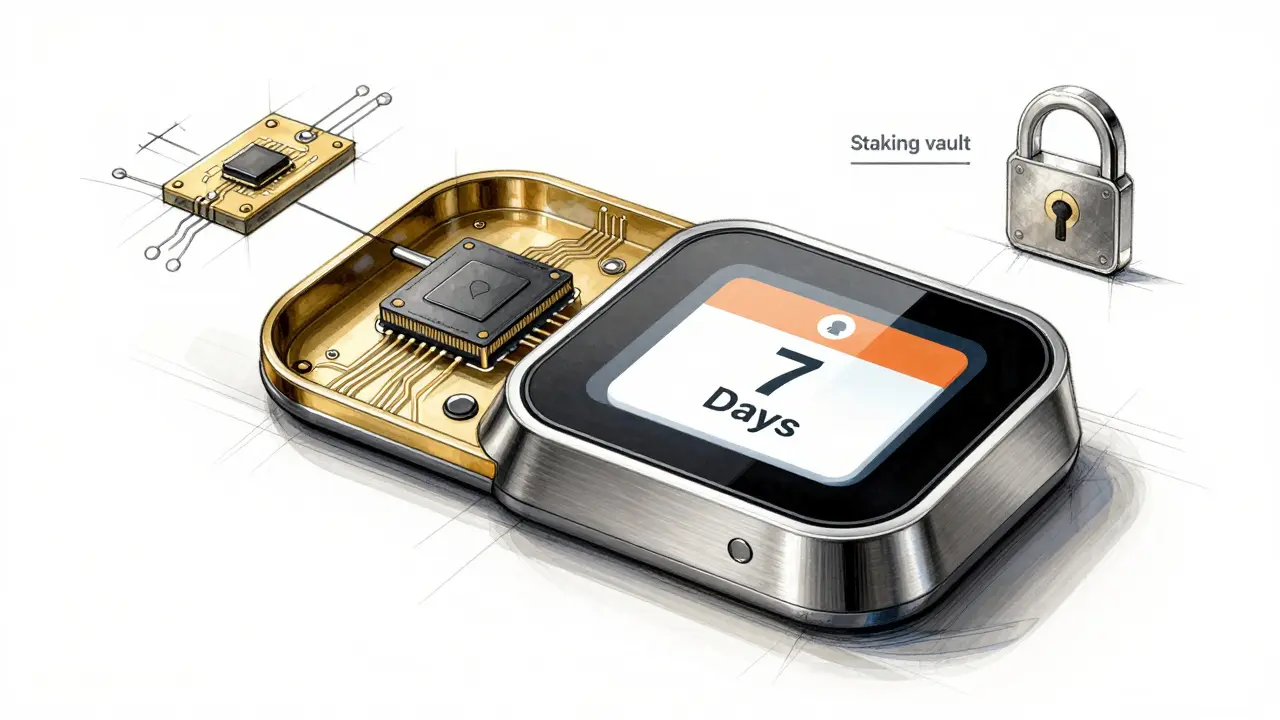
- Lock Period: You must lock your tokens for a minimum of 7 days.
- Rewards: You earn APY (Annual Percentage Yield) based on the total amount staked in the pool.
- Variable Rates: The APY is not fixed. It fluctuates depending on participation levels. High demand for staking usually drives yields up initially, but they tend to stabilize over time.
This mechanism encourages holders to keep their tokens rather than dumping them immediately after purchase, which can help stabilize price volatility-a common plague in the meme coin sector.
| Feature | DogeVerse (DOGEVERSE) | Traditional Meme Coin (e.g., SHIB, PEPE) |
|---|---|---|
| Blockchain Support | 6 Chains (ETH, BNB, POLY, BASE, SOL, AVAX) | Usually 1 Chain (often ETH or BSC) |
| Bridging Tech | Native deployment via Portal/Wormhole | Wrapped tokens or no bridge support |
| Gas Fee Flexibility | High (choose cheapest chain) | Low (stuck with one chain's fees) |
| Primary Utility | Cross-chain trading & Staking | Community sentiment & Speculation |
| Complexity for Users | Moderate (requires multi-chain knowledge) | Low (simple buy/sell) |
Market Performance and Volatility
As of late 2024, DOGEVERSE has shown significant price movement. Data from CoinGecko indicated a price of around $0.00000552 USD, with year-to-date gains reaching nearly 90%. However, take these numbers with a grain of salt. Meme coins are notoriously volatile. A 3.59% increase in 24 hours might sound good, but it could easily reverse the next day.
Trading volume presents a mixed picture. Some aggregators report near-zero volume, while others show modest activity around $330 in 24 hours. This suggests that liquidity is still shallow compared to giants like Dogecoin. Low liquidity means that large trades can cause significant price slippage. If you plan to invest a substantial amount, you need to check the depth of the order books on decentralized exchanges (DEXs) before entering a position.
The initial success of raising $17 million demonstrates strong early investor confidence, especially given the tough market conditions of mid-2024. However, fundraising success does not guarantee long-term value retention. The real test will be whether the community stays engaged after the initial hype fades.
Risks and Challenges You Should Know
No investment is without risk, and DOGEVERSE carries several specific dangers:
- Bridge Security: Even though Wormhole is robust, any bridge is a potential target for hackers. If the connection between chains is compromised, funds could be at risk.
- Liquidity Fragmentation: With tokens spread across six chains, liquidity is diluted. Finding deep enough pools to execute large orders without impacting the price can be difficult.
- User Confusion: Many new users struggle to understand which version of DOGEVERSE they own. Buying the Ethereum version when you meant to buy the Solana version is a common mistake that leads to lost funds or unexpected gas fees.
- Regulatory Uncertainty: Meme coins face increasing scrutiny from regulators worldwide. The classification of such tokens as securities varies by jurisdiction, creating legal risks.
Additionally, the project relies heavily on community engagement. Unlike utility tokens that power essential services, DOGEVERSE’s value is largely driven by social sentiment. If interest in the Cosmo narrative wanes, the token price could suffer regardless of its technical merits.
How to Get Started with DogeVerse
If you decide to proceed, here is a practical guide to getting your hands on DOGEVERSE:
- Choose Your Chain: Decide which blockchain you prefer. Solana and Polygon are great for low fees. Ethereum offers higher security but costs more. Base is a growing option with moderate costs.
- Set Up a Wallet: Ensure your wallet supports the chosen chain. Phantom is popular for Solana; MetaMask works for EVM chains like Ethereum, BNB, Polygon, Base, and Avalanche.
- Acquire Native Currency: Buy ETH, SOL, MATIC, etc., to pay for gas fees. You cannot trade DOGEVERSE without having some native tokens in your wallet.
- Find a DEX: Go to a decentralized exchange on your chosen chain (e.g., Raydium for Solana, Uniswap for Ethereum). Paste the correct contract address for DOGEVERSE on that specific chain. Double-check this address against official sources to avoid scams.
- Swap Tokens: Execute the swap. Start with a small amount to test the process.
- Consider Staking: If you plan to hold long-term, explore the staking options to earn rewards, remembering the 7-day lock period.
Education is crucial here. Spend 2-3 hours reading the official documentation on thedogeverse.com. Understanding how to switch networks in your wallet and how to verify contract addresses will save you from costly mistakes.
Future Outlook: Will It Last?
The future of DogeVerse depends on its ability to evolve beyond being just a meme. The multichain infrastructure provides a solid foundation for expanding into gaming, NFTs, or broader DeFi applications. If the team can leverage the Cosmo character to build a genuine culture and utility, DOGEVERSE could carve out a unique niche in the crowded meme coin market.
However, competition is fierce. There are thousands of meme coins, and most fail within months. DogeVerse’s technical edge gives it a fighting chance, but execution is key. Watch for updates on exchange listings, partnerships, and community growth metrics. These are better indicators of health than short-term price spikes.
Is DogeVerse (DOGEVERSE) a scam?
There is no evidence suggesting DogeVerse is a scam. It raised $17 million through a transparent ICO and uses reputable infrastructure like Wormhole. However, all cryptocurrencies carry risk, including loss of value. Always do your own research and never invest more than you can afford to lose.
Which blockchain is best for buying DOGEVERSE?
It depends on your priorities. For lowest fees, choose Solana or Polygon. For maximum decentralization and security, choose Ethereum. Base is a good middle ground with low fees and Ethereum compatibility. All versions are native and equivalent in value.
Can I transfer DOGEVERSE between chains?
Yes, thanks to the Portal Bridge integration. You can move your tokens between the supported chains (ETH, BNB, POLY, BASE, SOL, AVAX) securely. This allows you to optimize for lower gas fees or access different DeFi platforms.
What is the minimum staking period for DOGEVERSE?
The minimum lock period for staking DOGEVERSE is 7 days. After this period, you can withdraw your tokens and any accumulated rewards. The APY varies based on total participation in the staking pool.
Who is Cosmo in the DogeVerse ecosystem?
Cosmo is the mascot character of DogeVerse, depicted as a chain-traveling Doge. The character represents the project's multichain nature, symbolizing the ability to move freely across different blockchain networks via wormhole technology.
Where can I buy DOGEVERSE tokens?
DOGEVERSE is primarily available on decentralized exchanges (DEXs) such as Uniswap, Raydium, and PancakeSwap, depending on the blockchain you choose. Always verify the contract address from official sources before swapping.