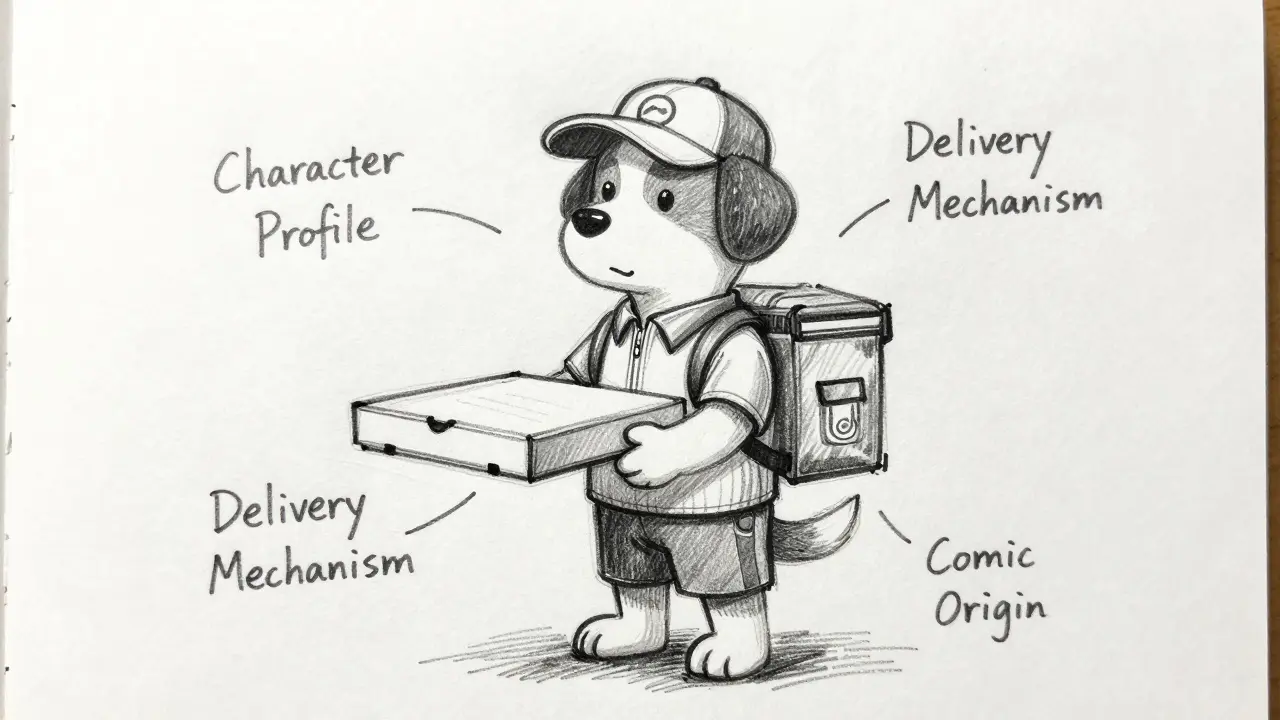
Have you ever seen a dog delivering pizza in a comic book and wondered if it had a cryptocurrency? That is exactly where Bird Dog comes from. If you are scrolling through crypto charts and see the ticker BIRDDOG, you might be confused. It looks like just another meme coin, but there is a specific story behind it, and more importantly, there is a major trap you need to avoid before spending any money.
This article breaks down what Bird Dog actually is, why there are two different versions of it floating around, and whether it has any real value or if it is just internet noise. We will look at the numbers, the history, and the risks so you can make a smart decision.
The Story Behind the Token
To understand BIRDDOG, you have to look at its roots. The token is not based on complex technology or a new financial protocol. Instead, it is built entirely on branding. Specifically, it draws from the Boy’s Club comic universe created by artist Matt Furie.
If you know the internet well, you know Pepe the Frog. In the original comics, Pepe lives with a group of friends. Bird Dog is marketed as the fifth member of this roommate gang. The character’s origin story is simple: he delivers a pizza to the house and gets invited to stay. The crypto project takes this narrative and turns it into a tradable asset.
Here is the catch: the sources listing this token do not confirm that Matt Furie or his company officially endorses or runs this project. They simply attribute the character design to him. This means you are buying a token inspired by a comic character, not necessarily an official product from the creator. In the world of crypto, that distinction matters a lot.
The Confusion: Two Different Tokens
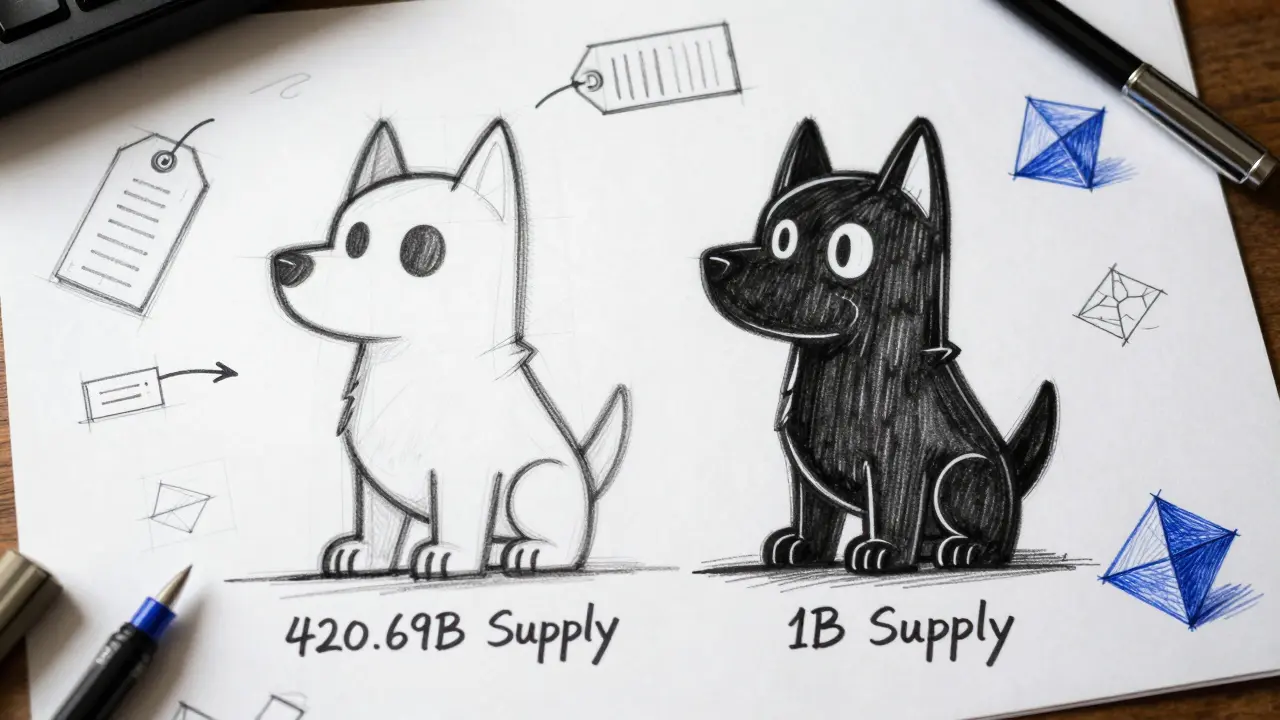
This is the most important part for your wallet. When you search for "Bird Dog" or "BIRDDOG," you will find data for two completely different tokens. They share the same name and ticker symbol, but they have different supply numbers and different prices. Mixing them up could cost you everything.
| Feature | Listing A (High Supply) | Listing B (Low Supply) |
|---|---|---|
| Total Supply | 420.69 Billion | 999.91 Million |
| Typical Price Range | $0.0000005 - $0.00006 | $0.00008 - $0.0004 |
| All-Time High Date | June 10, 2024 | June 21, 2024 |
| Market Cap Estimate | $300k - $2.5M | $100k - $400k |
Listing A is the one with the massive supply of 420.69 billion tokens. You will see this number on platforms like Bitget and some entries on CoinMarketCap. The price here is tiny, often fractions of a penny. Because the supply is so huge, the market cap stays relatively low unless the price moves significantly.
Listing B has a much smaller supply of roughly 1 billion tokens. Coinbase and other trackers show this version. Its price is higher than Listing A, but still very small. The all-time high for this version was reached in late June 2024.
Why does this matter? Because liquidity-the ability to buy and sell without crashing the price-is split between these two contracts. If you buy the wrong one, you might find yourself holding a token that no one else wants to trade.
Technical Details: Where Does It Live?
Bird Dog operates on the Ethereum blockchain. This means it is an ERC-20 token. If you want to hold it, you need a wallet that supports Ethereum assets, such as MetaMask or the Binance Web3 Wallet.
Being on Ethereum brings both pros and cons:
- Security: Your tokens are secured by Ethereum’s proof-of-stake network, which is highly secure.
- Compatibility: You can move it between many wallets and decentralized exchanges (DEXs) easily.
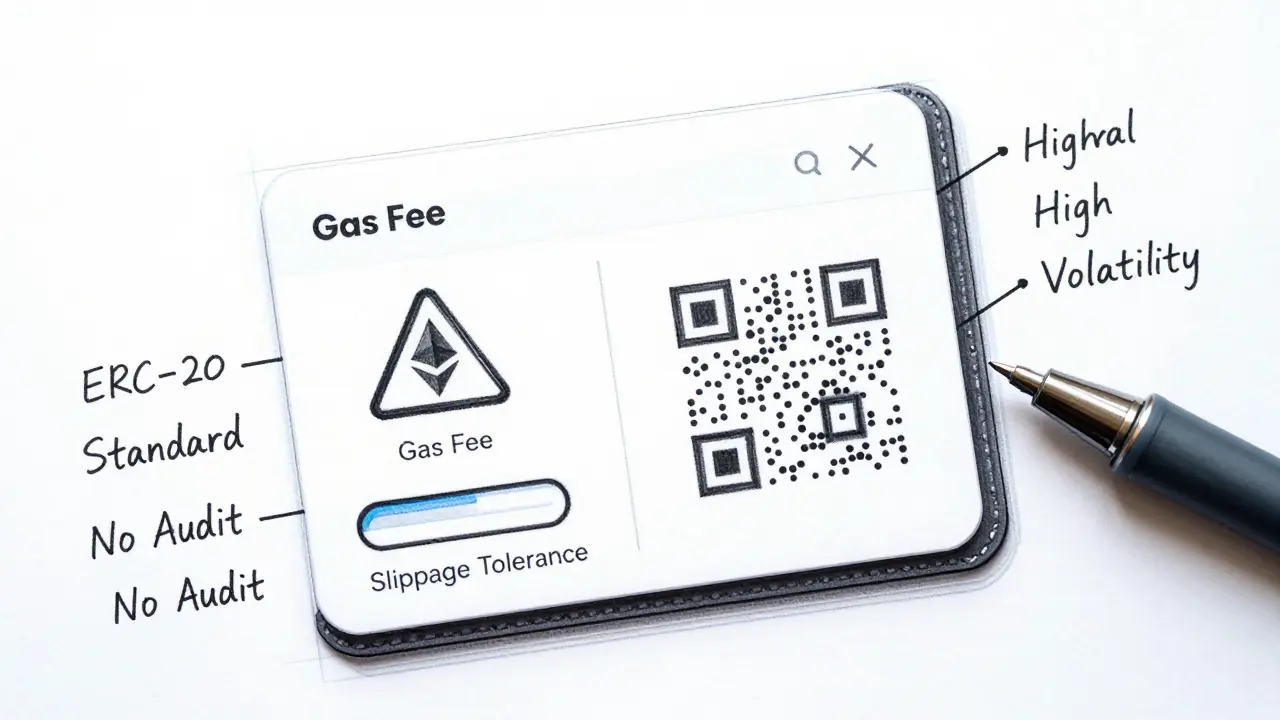
- Costs: Every time you send or swap BIRDDOG, you pay "gas fees" in ETH. If Ethereum is busy, these fees can be expensive relative to the tiny value of your Bird Dog tokens.
There is no public information about a formal security audit for the BIRDDOG smart contract. In crypto terms, this means no independent experts have checked the code for bugs or backdoors. You are trusting the code as it is written. For a meme coin, this is common, but it is a risk you must accept.
Price History and Volatility
Meme coins are famous for wild swings, and Bird Dog is no exception. Let’s look at the hard data.
The 999 million supply version hit an all-time high of about $0.018 in June 2024. As of mid-2026, the price has dropped by over 99%. If you bought at the peak, your investment is now worth almost nothing. This is not a unique case; it is the standard lifecycle for many micro-cap meme tokens. They spike on hype, then slowly bleed out as interest fades.
Liquidity is also thin. Some days, the trading volume is zero. Other days, it might jump to $190,000. This inconsistency makes it dangerous to try and "time" the market. You might want to sell, but if there are no buyers, you cannot exit your position without accepting a terrible price.
How to Buy Bird Dog (If You Still Want To)
You generally cannot buy BIRDDOG directly on major centralized exchanges like Coinbase Pro or Crypto.com exchange yet. These platforms track the price, but they do not list it for direct trading pairs.
To get it, you usually have to go through a decentralized route:
- Get an Ethereum Wallet: Download a wallet like MetaMask or use the Binance Web3 Wallet.
- Buy Ethereum: Purchase ETH on a major exchange and send it to your wallet.
- Connect to a DEX: Use a platform like Uniswap or PancakeSwap (if bridged).
- Find the Contract Address: This is critical. Paste the exact contract address for the specific BIRDDOG version you want (check CoinGecko or CoinMarketCap for the verified link). Do not copy-paste from random social media posts.
- Swap: Exchange your ETH for BIRDDOG. Set your slippage tolerance appropriately, as volatile tokens often require higher slippage settings to complete transactions.
Remember, because there are two versions, double-check the contract address against a trusted aggregator. One wrong digit, and you might buy a scam token instead.
Is Bird Dog a Good Investment?
Let’s be direct. Bird Dog has no utility. It does not offer staking rewards, governance rights, or access to a service. Its entire value proposition is community sentiment and nostalgia for a comic book character.
In the crypto world, this is called a "pure play" meme coin. These assets can go up 10x or down 99% in a week. There is no fundamental analysis you can do here-no revenue, no users, no tech stack to evaluate. You are betting on whether other people will think the dog delivering pizza is cool enough to keep buying.
Given that the price has already crashed nearly 99% from its highs, the upside is speculative at best. The downside is total loss. Only spend money you are prepared to lose completely. Treat it like buying a lottery ticket, not investing in a company.
Who created the Bird Dog (BIRDDOG) token?
The token is inspired by the character Bird Dog from Matt Furie’s "Boy’s Club" comics. However, there is no public evidence that Matt Furie or his team officially launched or endorses the cryptocurrency. The project appears to be community-driven or created by anonymous developers using the character’s likeness.
Why are there two different prices for BIRDDOG?
There are two distinct token contracts listed under the BIRDDOG ticker. One has a supply of 420.69 billion tokens, and the other has a supply of roughly 1 billion tokens. They trade on different pools with different liquidity, resulting in different prices. Always check the contract address to ensure you are looking at the right one.
Can I buy Bird Dog on Coinbase?
Currently, you cannot buy BIRDDOG directly on the Coinbase centralized exchange. Coinbase tracks the price and supply data, but you would need to use a decentralized exchange (DEX) via a Web3 wallet to acquire the token.
Does Bird Dog have any utility or use cases?
No. Bird Dog is classified as a meme coin. It does not offer staking, governance, or payment services. Its value is derived solely from speculation and community interest in the character.
Is Bird Dog safe to invest in?
Like all meme coins, Bird Dog is extremely high-risk. It has experienced a drop of over 99% from its all-time high. There is no formal security audit of the contract, and liquidity is low. You should only invest funds you can afford to lose entirely.