
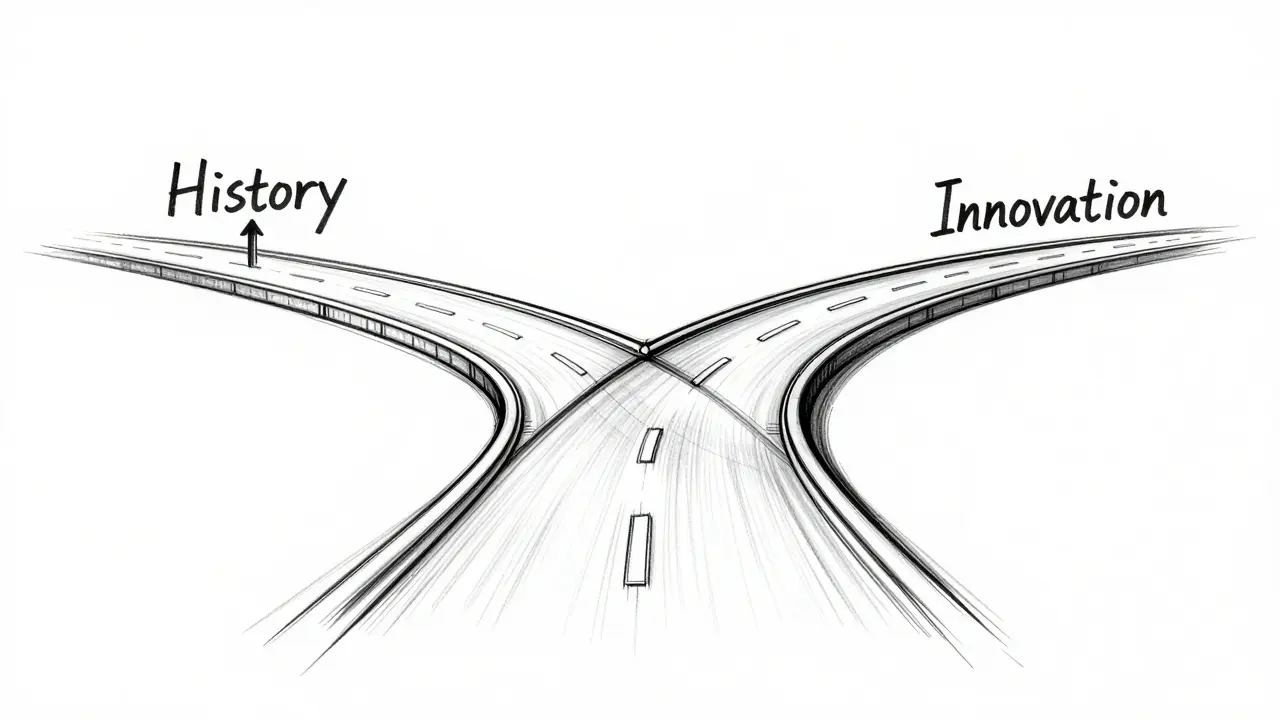
Have you heard about A Fork in the Road (AFITR) is a term often confused with a specific cryptocurrency token but actually refers to the fundamental concept of blockchain forking? If you are searching for a coin with the ticker AFITR to buy or sell, you might be looking at something that doesn't exist as a legitimate, widely recognized asset. Instead, "A Fork in the Road" is a metaphorical phrase used in the crypto world to describe a critical moment when a blockchain network splits into two separate paths.
This confusion happens all the time. New investors see a catchy name and assume it's a new project. But in reality, understanding what a blockchain fork is a divergence in a blockchain's transaction history where the chain splits into two independent versions is far more valuable than chasing a phantom token. Let's clear up the fog around this term and explain why your money is safer when you understand the technology behind the headlines.
The Real Meaning: Blockchain Forks Explained
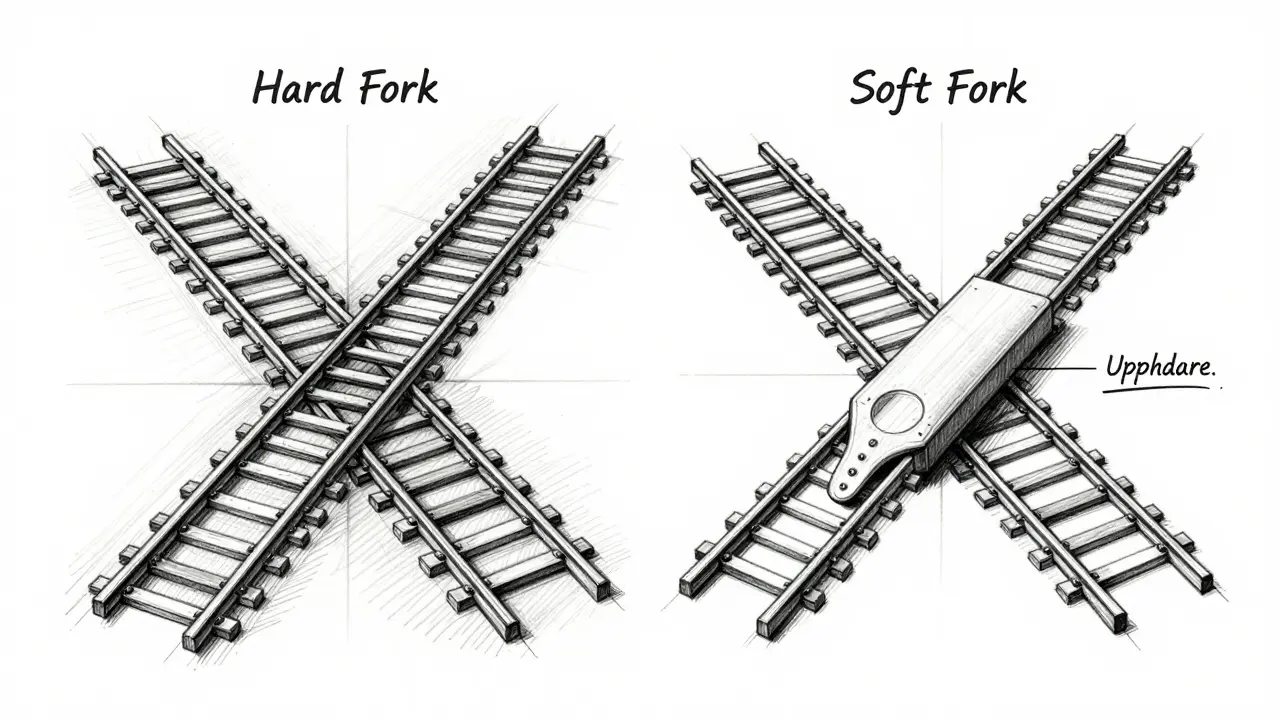
To get to the bottom of the AFITR mystery, we first need to talk about forks. In traditional software development, a fork is just copying code to work on it separately. In cryptocurrency, it’s much bigger. A hard fork is a permanent divergence in the blockchain that requires all nodes to upgrade to the latest version of the software. Think of it like a train track splitting. One set of trains goes left, the other goes right. Both tracks continue, but they never merge again.
When a hard fork happens, the original blockchain creates a new version. The old coins still exist, but now there is also a new coin based on the same ledger history up to that point. This is how Bitcoin Cash was born from Bitcoin, and how Ethereum Classic split from Ethereum. These aren't random tokens created by anonymous teams; they are structural changes to established networks driven by community disagreement over rules.
So, if someone tells you "AFITR" is a coin resulting from a fork, ask them which main chain it forked from. If they can't answer clearly, you are likely dealing with misinformation or a scam.
Hard Forks vs. Soft Forks: What's the Difference?
Not all splits are created equal. There are two main types of forks you need to know, and confusing them can cost you money.
- Hard Fork: This is non-backward compatible. Nodes running the old software cannot process transactions on the new chain. It creates a new, separate cryptocurrency. Example: Bitcoin splitting into Bitcoin and Bitcoin Cash.
- Soft Fork: This is backward compatible. New nodes can read old blocks, but old nodes cannot read new blocks. It upgrades the existing chain without creating a new coin. Example: SegWit activation on Bitcoin.
Most retail investors care about hard forks because they might receive free coins if they hold assets at the time of the split. Soft forks are mostly technical upgrades that improve efficiency or security without changing your wallet balance directly.
| Feature | Hard Fork | Soft Fork |
|---|---|---|
| Compatibility | Non-backward compatible | Backward compatible |
| New Coin Created? | Yes | No |
| Risk Level | High (network split) | Low (upgrade only) |
| Example | Ethereum Classic | Bitcoin SegWit |
Why "AFITR" Likely Doesn't Exist as a Major Asset
You won't find "AFITR" listed on major exchanges like Coinbase, Binance, or Kraken. You won't see it tracked by reputable data aggregators like CoinMarketCap or CoinGecko. This absence is a huge red flag. Legitimate cryptocurrencies, even small ones, have some digital footprint.
There are three likely scenarios for why you are hearing about "AFITR":
- Misinformation: Someone is using the phrase "A Fork in the Road" to describe a general market event, not a specific token.
- Pump and Dump Scheme: Scammers create a fake token with a catchy name, hype it on social media, and then disappear with investors' money.
- Private Sale Scam: You are being asked to send ETH or BTC to a private address in exchange for "AFITR" tokens that will supposedly launch later. These tokens rarely ever materialize.
If you were directed to this article after seeing an ad or a message promising high returns on AFITR, stop immediately. Do not send any funds. The lack of verifiable information is not a bug; it's a feature of many crypto scams designed to obscure their identity.
How to Verify Any Cryptocurrency Token
Before buying any coin, especially one with an unusual name, follow this checklist. It takes five minutes and could save you thousands of dollars.
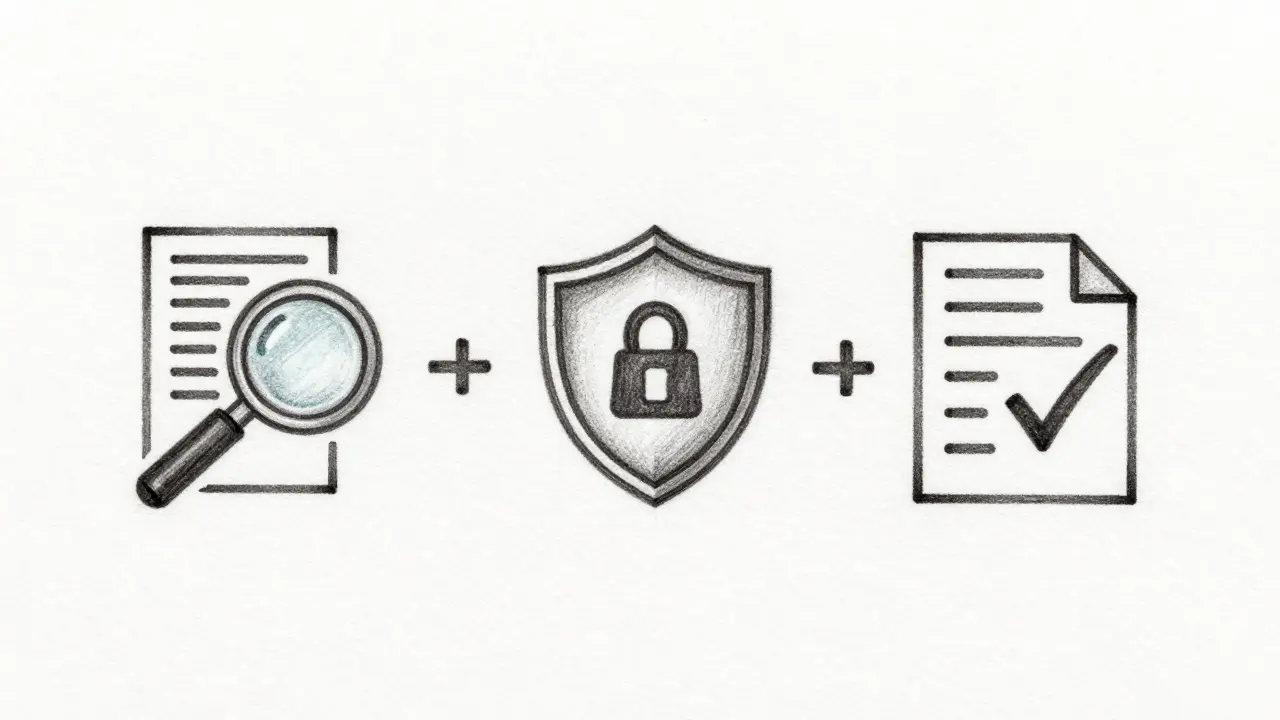
- Check Contract Address: Every token on networks like Ethereum has a unique contract address. Look it up on Etherscan. If the address shows no verified source code or zero liquidity, walk away.
- Search Reputable Aggregators: Go to CoinMarketCap.com and search the ticker. If it's not there, it's not mainstream. Check CoinGecko as well.
- Review the Whitepaper: Legitimate projects publish detailed technical documents. If the "whitepaper" is just a PDF with marketing fluff and no technical specs, it's a scam.
- Examine the Team: Who built it? Are their LinkedIn profiles real? Anonymous teams are common in early-stage crypto, but they carry higher risk.
- Look for Community Activity: Join their Discord or Telegram. Ask technical questions. If the answers are generic or aggressive, leave.
Applying these steps to "AFITR" would reveal that there is no credible project backing this name. The "fork" in the road here is between making a safe, informed decision and falling for a cleverly named trap.
Famous Forks That Actually Happened
To understand the power of real forks, look at these historical examples. They show how community consensus drives value.
Bitcoin Cash (BCH): In 2017, a group of developers wanted larger block sizes to increase transaction speed. The majority of the Bitcoin community disagreed. The result was a hard fork. Bitcoin remained the dominant chain, while Bitcoin Cash became a separate currency focused on payments.
Ethereum Classic (ETC): In 2016, a major DAO hack drained millions of dollars from the Ethereum network. The community voted to reverse the transaction via a hard fork. Those who opposed the reversal continued on the original chain, which became Ethereum Classic. This was a philosophical fork about whether code should be immutable.
Litecoin Cash (LCC): A smaller fork of Litecoin in 2019 aimed to improve scalability. It remains a niche asset with low trading volume compared to its parent chain.
Notice a pattern? All these forks involved major, established blockchains with large communities, transparent development histories, and clear technical reasons for the split. None of them appeared out of nowhere with vague promises.
Red Flags: When a "Fork" Is a Scam
Scammers love the word "fork" because it sounds technical and exclusive. Here are signs that a "fork" opportunity is fraudulent:
- "Send us BTC to claim your fork tokens": Legitimate forks distribute tokens automatically to wallets holding the original coin at the time of the split. You never need to send funds to a stranger to "activate" a fork.
- Urgency: "Claim within 48 hours or lose everything." Real forks take months to plan and implement. Urgency is a manipulation tactic.
- No Official Announcement: Major forks are announced on official GitHub repositories and project blogs long in advance. If you only hear about it on Twitter or Facebook, it's fake.
- Guaranteed Returns: No one can guarantee profits from a fork. Market prices fluctuate wildly after splits.
If you encounter "AFITR" promoted with any of these tactics, report it and ignore it. Your capital is safer in established assets with clear fundamentals.
What Should You Do Instead?
Rather than chasing mysterious tokens like AFITR, focus on learning the basics of blockchain technology. Understand how consensus mechanisms work. Learn to use hardware wallets securely. Study the top 10 cryptocurrencies by market cap and read their documentation.
Investing in crypto is risky enough without adding unverified assets to your portfolio. Stick to projects with transparent teams, active development, and strong community support. When you hear about a "fork," ask yourself: Which chain is forking? Why? And does this align with my investment strategy?
The next time you see "A Fork in the Road" mentioned, remember: it's likely a metaphor, not a coin. Protect your funds by verifying every claim before you act.
Is AFITR a real cryptocurrency?
No, there is no widely recognized or legitimate cryptocurrency called "A Fork in the Road" with the ticker AFITR. The term likely refers to the general concept of blockchain forking or is being used in a scam context.
What is a blockchain fork?
A blockchain fork is a change to the protocol rules that causes the blockchain to split into two separate chains. Hard forks create new coins, while soft forks upgrade the existing chain without splitting it.
Can I buy AFITR tokens?
You should not attempt to buy AFITR tokens. Since no legitimate project exists under this name, any offer to sell such tokens is likely a scam. Always verify assets on reputable exchanges and data trackers.
How do I know if a fork is legitimate?
Legitimate forks are announced officially by the core development team, discussed on public forums, and involve established blockchains. They do not require you to send funds to a private address to participate.
What happened during the Ethereum fork?
In 2016, Ethereum underwent a hard fork to reverse a massive hack. The upgraded chain became Ethereum (ETH), while the original unaltered chain became Ethereum Classic (ETC). This was a rare case of a community-driven split.


