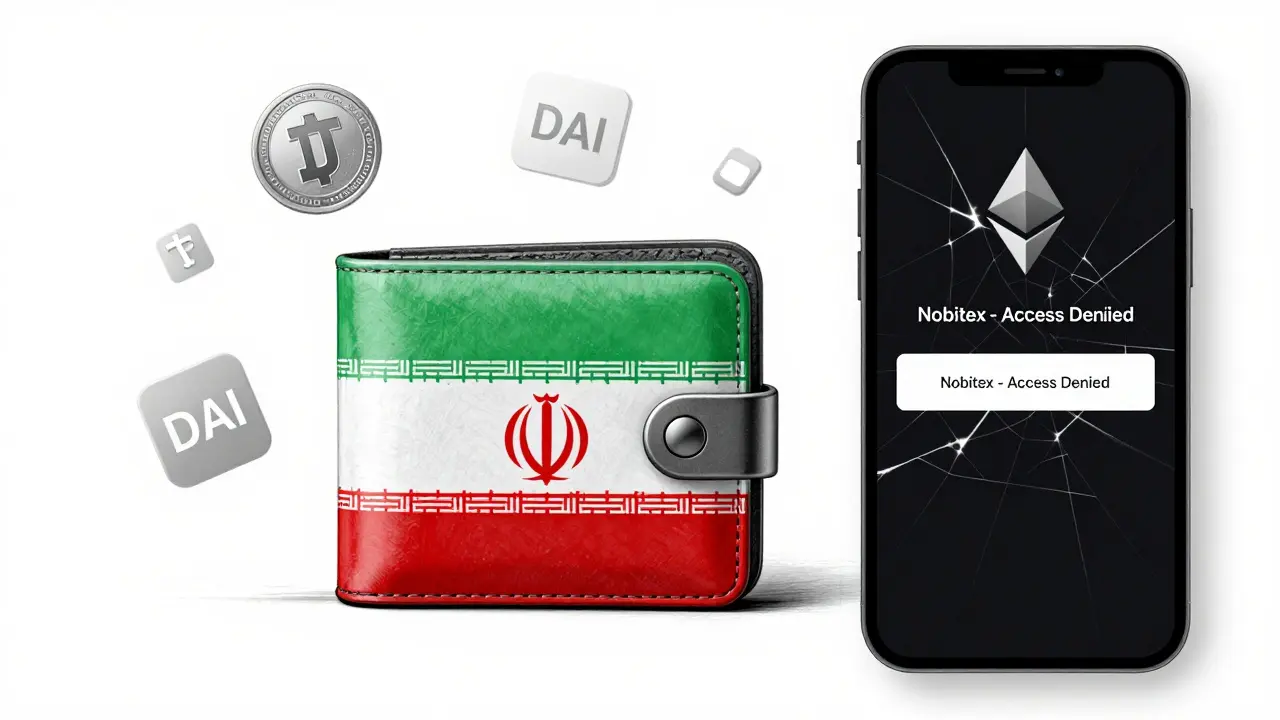
Iran doesn’t have a simple list of banned crypto exchanges like some countries do. Instead, Iranian users face a double-layered wall: one built by their own government, and another by international companies scared of U.S. sanctions. It’s not that Binance or Coinbase officially say, "We ban Iran." It’s that they’re forced to, or choose to, cut off access - and Iran’s own rules make it nearly impossible to trade crypto for real money without state approval.
Iran’s Government Locked Down Crypto-to-Fiat Transactions
On December 27, 2024, Iran’s Central Bank shut down all online platforms that let people convert cryptocurrency into Iranian rials - or vice versa. This wasn’t a temporary move. It was a full stop on the main way Iranians used crypto: to protect savings from inflation or send money abroad. The government didn’t ban Bitcoin or Ethereum. It banned the bridges between crypto and the national currency. By early 2025, the Central Bank started allowing a few exchanges to reopen - but only if they connected directly to a government-controlled API. This means every trade, every deposit, every withdrawal is monitored in real time. The state knows who you are, how much you traded, and where your money came from. Nobitex, Iran’s biggest exchange, is one of the few still operating - but only under these strict conditions. If you’re using Nobitex now, you’re not trading freely. You’re trading under surveillance.Tether Frozen Thousands of Iranian Accounts
The biggest shock came on July 2, 2025, when Tether, the company behind USDT (the world’s most used stablecoin), froze 42 cryptocurrency addresses linked to Iranian users. More than half of those addresses were tied to Nobitex. The total value locked up? Over $200 million. This wasn’t a random error. It was a targeted move by Tether to comply with U.S. Treasury sanctions. The addresses weren’t just random wallets. They were connected to Iranian exchanges and, according to Israeli counter-terror finance reports, to accounts linked to the Islamic Revolutionary Guard Corps (IRGC). Tether didn’t just freeze those wallets - it flagged thousands more. Tasnim News, a state-affiliated outlet, warned that Iranian investors could lose their funds at any moment if Tether tightened rules further. That warning wasn’t empty. Since then, more Iranian users have reported sudden account freezes with no explanation.Bittrex and Other Exchanges Cut Off Iran Long Before 2025
Bittrex, once a top U.S.-based exchange, stopped serving Iranian users years ago - long before its 2024 bankruptcy. Iranian users like Ghader lost access to their accounts during the 2017 and 2021 crypto booms. He sued for $88 million in lost profits. The court didn’t rule in his favor. Why? Because Bittrex’s Terms of Service gave them the right to freeze accounts for compliance reasons. That’s the reality: if an exchange is based in the U.S., or uses U.S. banking services, it has to block Iran. No exceptions. Other major exchanges - including Coinbase, Kraken, and Gemini - don’t allow Iranian users to create accounts. They don’t need to say it publicly. Their sign-up forms block Iranian IP addresses. Their KYC systems reject Iranian IDs. You can’t sign up. You can’t deposit. You can’t withdraw. It’s not a ban on paper. It’s built into the system.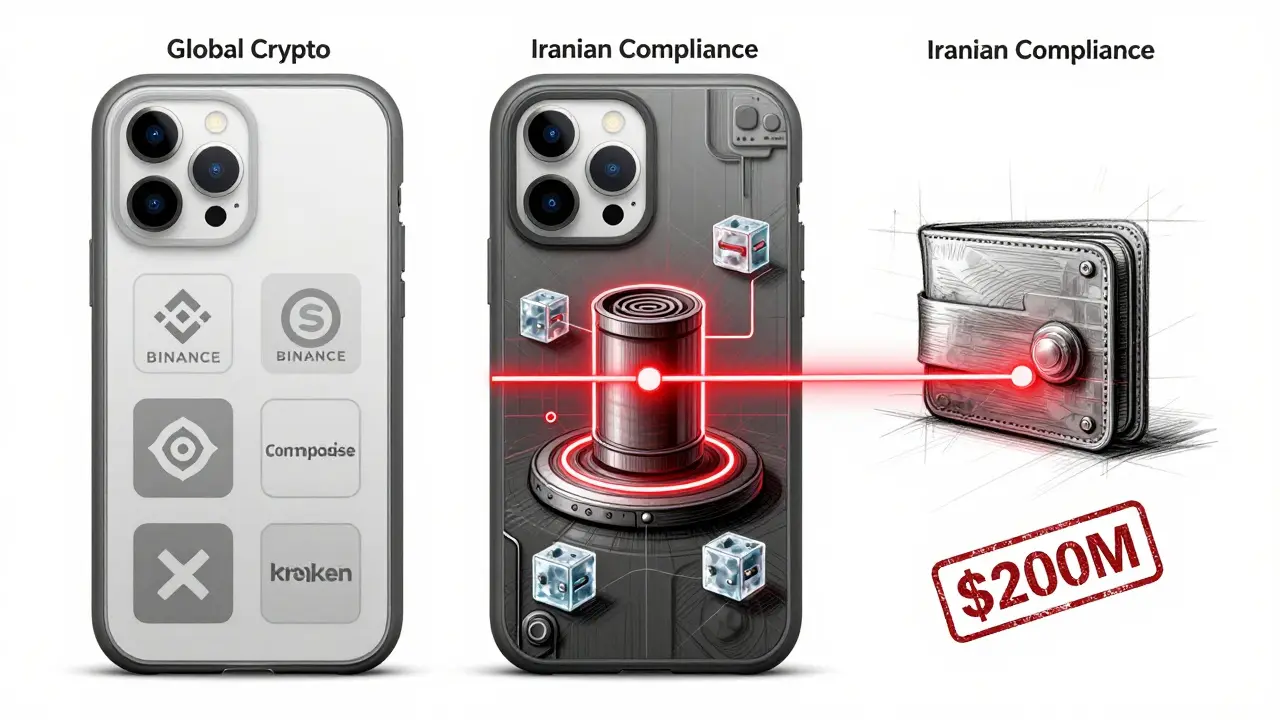
Iran’s Own Rules on Stablecoins Are Tighter Than Ever
Even if you could access an exchange, Iran’s government put hard limits on what you can hold. On September 27, 2025, the Central Bank announced: each person can buy no more than $5,000 in stablecoins per year. And you can’t hold more than $10,000 total at any time. That’s not a suggestion. It’s a legal cap. If you have $11,000 in USDT, you’re breaking the law. The goal? To stop capital flight. Iranians have been using crypto to move money out of the country for years. By capping stablecoin holdings, the government makes it harder to accumulate enough to transfer abroad. It also pushes people toward rial-based transactions - which are tightly controlled and subject to inflation.Advertising Crypto Is Now Illegal in Iran
In February 2025, Iran took a step no other country has: it banned all crypto advertising. No YouTube videos. No Instagram posts. No billboards. No Telegram channels promoting exchanges. Even influencers who once earned thousands promoting Binance or Coinmama were forced to delete their content or face fines. This isn’t just about controlling finance. It’s about controlling information. The government doesn’t want people to learn about crypto. It doesn’t want them to know how to use it. It wants crypto to fade into the background - even as people keep using it in secret.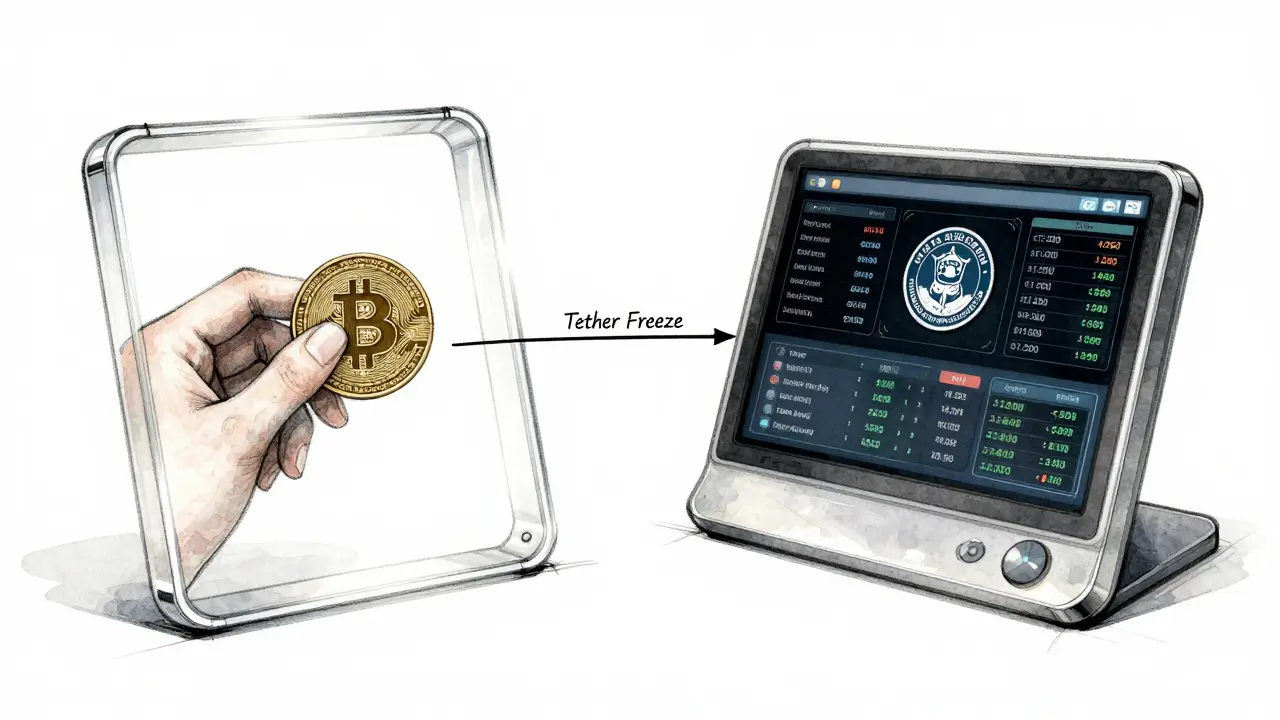
How Iranians Are Still Trading Crypto
Despite all this, crypto trading hasn’t disappeared. It’s just gone underground - and moved overseas. Many Iranians now use decentralized exchanges like Uniswap or PancakeSwap. They buy USDT on peer-to-peer platforms like LocalBitcoins or Paxful, then move it to wallets they control. From there, they swap into DAI on the Polygon network - a workaround after Tether’s freeze. Some use Turkish exchanges like Paribu or BtcTurk, where they can cash out in dollars or euros. Turkey has become the main bridge between Iran and the global crypto market. The Iranian government knows this. They’ve cracked down on Turkish intermediaries and warned citizens not to use foreign exchanges. But enforcement is hard. As long as people have internet and a VPN, they can still trade.Iran Now Taxes Crypto Profits - Even Though It Restricts It
In August 2025, Iran passed a new law: capital gains tax on cryptocurrency. If you make money trading Bitcoin or Ethereum, you owe taxes. The same as if you sold real estate or gold. This is a major shift. It means the government now recognizes crypto as an asset - even while limiting its use. Why? Because they want to control it. Taxing crypto lets them track profits, collect revenue, and punish those who evade the rules. It’s not about helping users. It’s about bringing crypto under state control - not letting it escape.What This Means for You
There’s no official list of "banned exchanges" in Iran because the system doesn’t work that way. You won’t find a website that says, "Nobitex is banned." Instead, you’ll find that:- Iranian banks won’t process crypto payments
- Major global exchanges block Iranian IPs
- Tether has frozen millions in Iranian-linked wallets
- The government caps your stablecoin holdings
- Advertising crypto is illegal
- Trading through foreign platforms is risky but common
Is Binance banned in Iran?
Binance doesn’t allow users from Iran to create accounts. Its sign-up system blocks Iranian IP addresses and IDs. Even if you try to use a VPN, your account may be frozen later if Binance detects your location. Binance complies with U.S. sanctions, so Iranian users are effectively banned.
Can I use Tether (USDT) in Iran?
You can hold USDT in Iran, but it’s risky. Tether has frozen over 40 Iranian-linked addresses since July 2025, and thousands more are under review. The Iranian government also limits you to $10,000 total in stablecoins. If you hold more, you’re breaking local law. Many users now swap USDT for DAI on Polygon to avoid freezes.
Why is Nobitex still operating?
Nobitex is still active because it connects directly to Iran’s Central Bank API. This gives the government full access to user data, transaction history, and wallet addresses. It’s the only exchange allowed to convert crypto to rials - but only under strict state supervision. Most users don’t realize they’re being monitored.
Is crypto mining legal in Iran?
Yes, crypto mining is still legal in Iran - and even encouraged in some cases. The government sees mining as a way to use excess electricity and earn foreign currency. But miners must register with authorities and use government-approved energy contracts. Unlicensed mining can be shut down, and equipment seized.
Can Iranians trade crypto using a VPN?
Some Iranians use VPNs to access foreign exchanges, but it’s not safe. Exchanges like Coinbase and Kraken can detect VPN usage and freeze accounts. The Iranian government also monitors internet traffic. Using a VPN doesn’t protect you from legal consequences if you’re caught trading outside approved channels.
What’s the safest way to hold crypto in Iran?
The safest option is to use a non-custodial wallet like MetaMask or Trust Wallet and hold crypto directly. Avoid exchanges that require KYC. Use peer-to-peer platforms to buy crypto with cash or bank transfers, then move it to your own wallet. Never leave large amounts on any exchange - especially ones linked to Iran. Diversify into DAI or other non-USDT stablecoins to reduce freeze risk.


