You’ve seen the banner ads. You’ve heard about "better rates" and "multi-chain swaps." But when you look closer at WardenSwap, something feels off. There’s no noise from the community. No massive trading volumes. No loud debates on Twitter. Just a quiet platform promising to beat giants like Uniswap or PancakeSwap at their own game.
In 2026, the decentralized finance (DeFi) space is brutal for new entrants. The big players have billions in liquidity and armies of developers. So why should you care about a smaller protocol like WardenSwap? And more importantly, is it safe to connect your wallet?
This review cuts through the marketing hype. We’ll look at the tech, the tokenomics, the red flags, and whether this platform has any real value for traders in New Zealand, Europe, or anywhere else.
The Core Promise: Better Rates on Multiple Chains
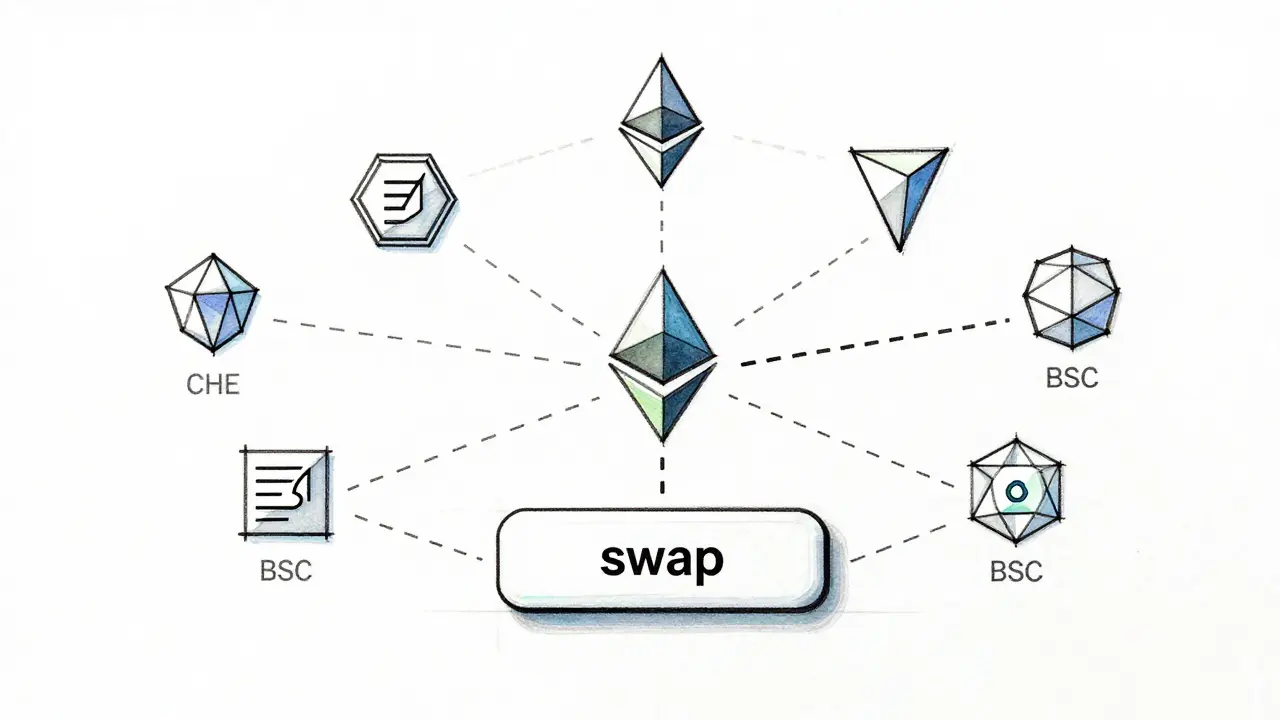
WardenSwap is a decentralized exchange (DEX) aggregator that aims to provide optimal trading rates across multiple blockchain networks including Binance Smart Chain (BSC), Polygon, Ethereum, and various Layer 2 solutions. The core idea isn’t entirely new. Aggregators like 1inch or ParaSwap split your trade across different pools to get you the best price. WardenSwap claims to do exactly this, but with a focus on being "The Best Rate BSC Swap" according to its GitHub repository.
Here’s how it works in theory:
- Multi-Chain Support: Instead of sticking to one network, WardenSwap bridges liquidity from Ethereum, BSC, and Polygon. This means you can swap tokens without manually bridging assets yourself.
- Rate Optimization: The protocol scans available liquidity sources to find the lowest slippage and highest output for your trade.
- Decentralized Architecture: As a DeFi protocol, it operates via smart contracts rather than a central server, meaning you retain custody of your funds until the moment of swap.
On paper, this sounds great. In practice, execution is everything. If the liquidity pools are shallow, "best rates" become irrelevant because you can’t move significant amounts without crashing the price.
The Red Flags: Silence Speaks Volumes
Let’s talk about what’s missing. In crypto, attention is currency. Successful projects have communities. They have discord servers buzzing with activity. They have regular security audits published publicly. They have user reviews.
WardenSwap has almost none of these.
| Metric | WardenSwap | Uniswap / PancakeSwap |
|---|---|---|
| User Reviews (FxVerify) | 0 stars (0 reviews) | Thousands of reviews |
| Market Recognition | Niche / Low | Dominant |
| Security Audit Transparency | Limited public data | Regular, public audits |
| Community Activity | Minimal | Highly Active |
That zero-star rating on FxVerify isn’t just bad luck. It’s a vacuum. When a platform has zero reviews, it usually means one of two things: either nobody is using it, or people who tried it had such a bad experience they went elsewhere to complain. Given the lack of widespread outrage, the former seems more likely-but that’s still a problem.
If you’re trading serious volume, you need confidence that the smart contracts won’t rug pull. Without visible audit reports from firms like CertiK or OpenZeppelin, you’re gambling with your capital.
Tokenomics: The WAD Token Outlook
Every DeFi protocol needs a token. For WardenSwap, that’s the WAD token. Tokens serve two main purposes: governance (voting on changes) and incentives (rewarding liquidity providers).
Looking at the data for 2026, the outlook for WAD is conservative. Coinbase lists a price prediction of €0.01 for 2026, representing a modest 5% change from current levels. Compare this to the explosive growth seen by top-tier DeFi tokens during bull runs, and WAD looks stagnant.
Why does this matter? Because token price often reflects market confidence. If investors don’t believe the platform will grow, the token doesn’t appreciate. A flat token price suggests that the broader market sees WardenSwap as a low-growth or high-risk asset.
Technical Reality: GitHub Activity vs. Real Usage
Proponents of WardenSwap point to its active GitHub repository (`Wardenswap/warden-protocol`). Code commits happen. Updates are pushed. Technically, the project is alive.
But code activity doesn’t equal product success. Plenty of abandoned projects have occasional commits from maintainers keeping the lights on. What matters is Total Value Locked (TVL). TVL measures how much money users actually trust in the protocol. While specific TVL figures for WardenSwap are scarce, the absence of major listings on aggregators like DefiLlama’s top charts indicates low adoption.
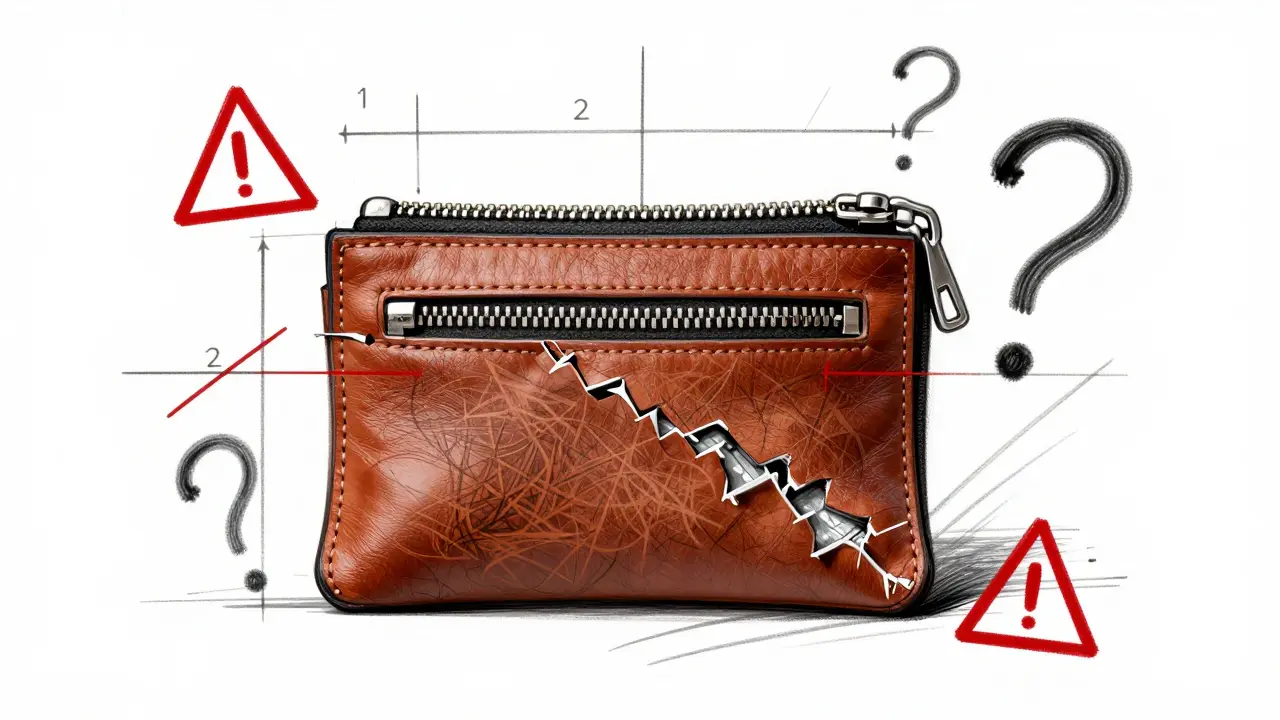
Operating across multiple chains-Ethereum, BSC, Polygon, and Layer 2s-is technically impressive. It requires complex cross-chain messaging and bridge integrations. However, complexity increases attack surfaces. Every bridge is a potential entry point for hackers. Without robust, audited security layers, multi-chain support is a liability, not an asset.
Who Should Use WardenSwap? (And Who Shouldn’t)
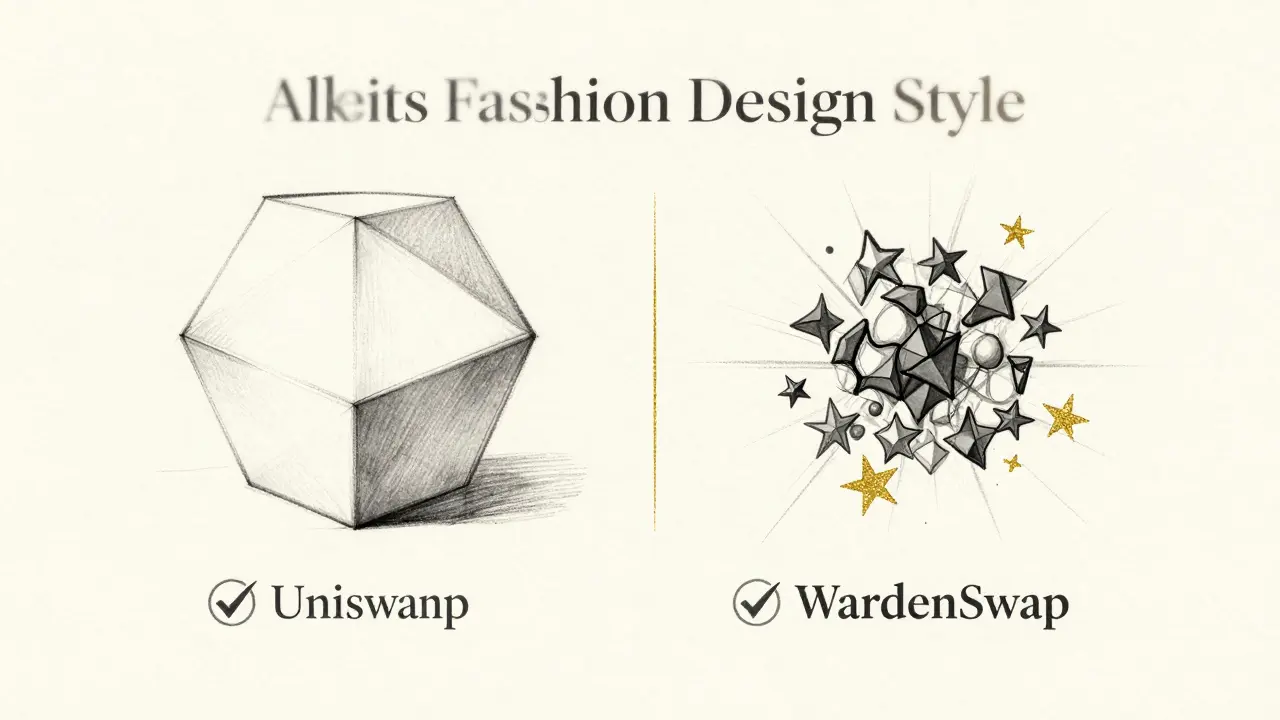
Let’s be direct. If you are looking for a reliable place to swap large amounts of ETH or USDT, stick to the giants. Uniswap, SushiSwap, and PancakeSwap have proven track records, deep liquidity, and transparent governance.
So who is WardenSwap for?
- Risk-Tolerant Traders: Those willing to gamble small amounts to test if the "better rates" claim holds true for obscure tokens.
- Developers: People interested in studying multi-chain DEX architecture might find the open-source code educational.
- Early Adopters: Users betting that WardenSwap will capture a niche market before competitors notice.
Who should avoid it?
- Beginners: If you’re new to DeFi, start with platforms that have tutorials, customer support, and clear documentation.
- Large Investors: Never put significant capital into a protocol with zero user reviews and limited audit history.
- Privacy-Conscious Users: Without clear privacy policies or anonymous transaction features, there’s no added benefit over established DEXs.
Safety First: How to Verify Any New DEX
Before connecting your wallet to WardenSwap-or any new platform-run through this checklist:
- Check Audits: Look for recent security audits from reputable firms. If you can’t find them, assume the code is unverified.
- Verify Liquidity: Use tools like DexScreener or Dextools to see if there’s actual trading volume. Low volume means high slippage.
- Test Small: Start with $10. See if the swap executes smoothly and if you receive the expected amount.
- Revoke Permissions: After testing, use a tool like Revoke.cash to remove WardenSwap’s access to your wallet unless you plan to use it regularly.
- Monitor Social Sentiment: Check Reddit, Twitter, and Discord. Are real people talking about it, or just bots?
Final Verdict: Proceed With Extreme Caution
WardenSwap presents an interesting technical proposition with its multi-chain aggregation model. However, the lack of user adoption, zero reviews, and limited transparency raise serious concerns. In the world of DeFi, trust is earned through time, volume, and security-not just promises of better rates.
For most users in 2026, the risk-reward ratio doesn’t favor trying WardenSwap. Stick to established protocols unless you have a specific reason to experiment with smaller platforms. And if you do experiment, never bet more than you can afford to lose.
Is WardenSwap a scam?
There is no definitive proof that WardenSwap is a scam, but there are significant red flags. The lack of user reviews, limited security audit information, and low market recognition make it risky. Always treat unknown DeFi platforms with suspicion.
What blockchains does WardenSwap support?
WardenSwap supports multiple chains including Binance Smart Chain (BSC), Polygon, Ethereum, and various Layer 2 rollup solutions. This multi-chain approach allows for cross-network trading.
What is the WAD token used for?
The WAD token is the native utility token of the WardenSwap ecosystem. It is likely used for governance voting, staking rewards, and fee discounts, though specific utility details should be verified in the official whitepaper.
How does WardenSwap compare to Uniswap?
Uniswap is a dominant, highly liquid DEX with millions of users and extensive security audits. WardenSwap is a smaller, newer protocol with minimal user base and limited transparency. Uniswap is safer for most users; WardenSwap may offer niche rate advantages but carries higher risk.
Is it safe to connect my wallet to WardenSwap?
Connecting your wallet to any unverified contract carries risk. Without public security audits, you cannot guarantee the code is free from vulnerabilities. If you choose to connect, use a burner wallet with minimal funds and revoke permissions immediately after testing.


