
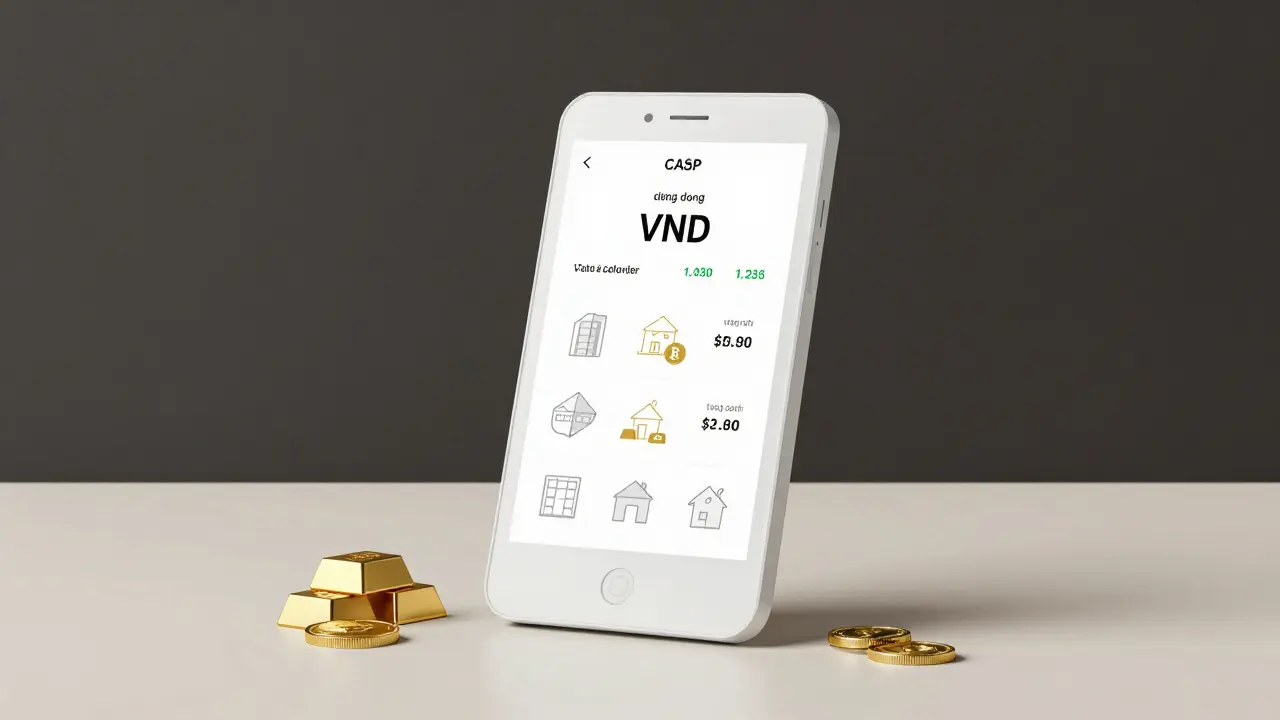
For years, Vietnam was a gray zone for Bitcoin and crypto trading. You could buy, sell, and trade digital assets - but no one could say for sure if it was legal. Courts didn’t know how to handle crypto disputes. Investors weren’t sure if their holdings were protected. Businesses operated in the shadows. That changed on January 1, 2026, when Vietnam’s new crypto law took effect - ending nearly a decade of uncertainty.
From Legal Ambiguity to a Clear Framework
Before 2026, Vietnam’s stance on cryptocurrency was a mess. The State Bank of Vietnam had repeatedly warned people not to use Bitcoin as payment. But there was no outright ban. People kept trading. Exchanges kept operating. Miners kept running rigs. The government looked the other way - not because it approved, but because it hadn’t figured out what to do. That changed in June 2025, when Vietnam’s National Assembly passed Law No. 71/2025/QH15 on Digital Technology Industry. This wasn’t just a tweak. It was a full rewrite of how digital assets are treated under Vietnamese law. For the first time, crypto assets, NFTs, and virtual currencies were officially recognized as legal property - not illegal, not gray, not risky. They were property. Like a car, a house, or a stock certificate.How Crypto Trading Works Now
The new system isn’t free-for-all. It’s tightly controlled. Here’s how it works today:- All crypto transactions must be settled in Vietnamese dong (VND). You can’t trade Bitcoin for USDT or Ethereum for USD - only for VND.
- Only licensed companies - called Crypto Asset Service Providers (CASPs) - can run exchanges, wallets, or trading platforms. These companies must be Vietnamese-owned, registered as limited liability companies or joint stock companies, and hold at least 10 trillion VND (about $390 million USD) in capital.
- Domestic investors can’t trade crypto directly. They must go through a licensed CASP. After a six-month grace period, any other method is illegal.
- Crypto assets must be backed by real, tangible assets - like gold, real estate, or equipment. You can’t issue a coin backed by the US dollar or a stock. That means stablecoins like USDT or USDC are banned. Tokenized securities are out too.
- Foreign investors can still participate, but only through licensed CASPs. They can’t trade directly with Vietnamese individuals.
What You Can and Can’t Do
If you’re a Vietnamese citizen, here’s what matters:- You can own Bitcoin, Ethereum, or NFTs - legally. The law says they’re protected under civil property rights. You can inherit them. You can gift them. You can sue if someone steals them.
- You can trade - but only on a licensed platform. Unlicensed apps, peer-to-peer apps, or foreign exchanges? Illegal. If caught, you could face fines or even criminal charges.
- You can’t use crypto to pay for goods or services. The law bans crypto as a payment method. Your local coffee shop can’t accept Bitcoin. Your online store can’t take Ethereum. Only VND.
- You can’t mine or issue crypto unless you’re a licensed CASP with approved backing assets. Solo mining? Illegal. Launching your own token? Illegal. Period.
Why This Matters
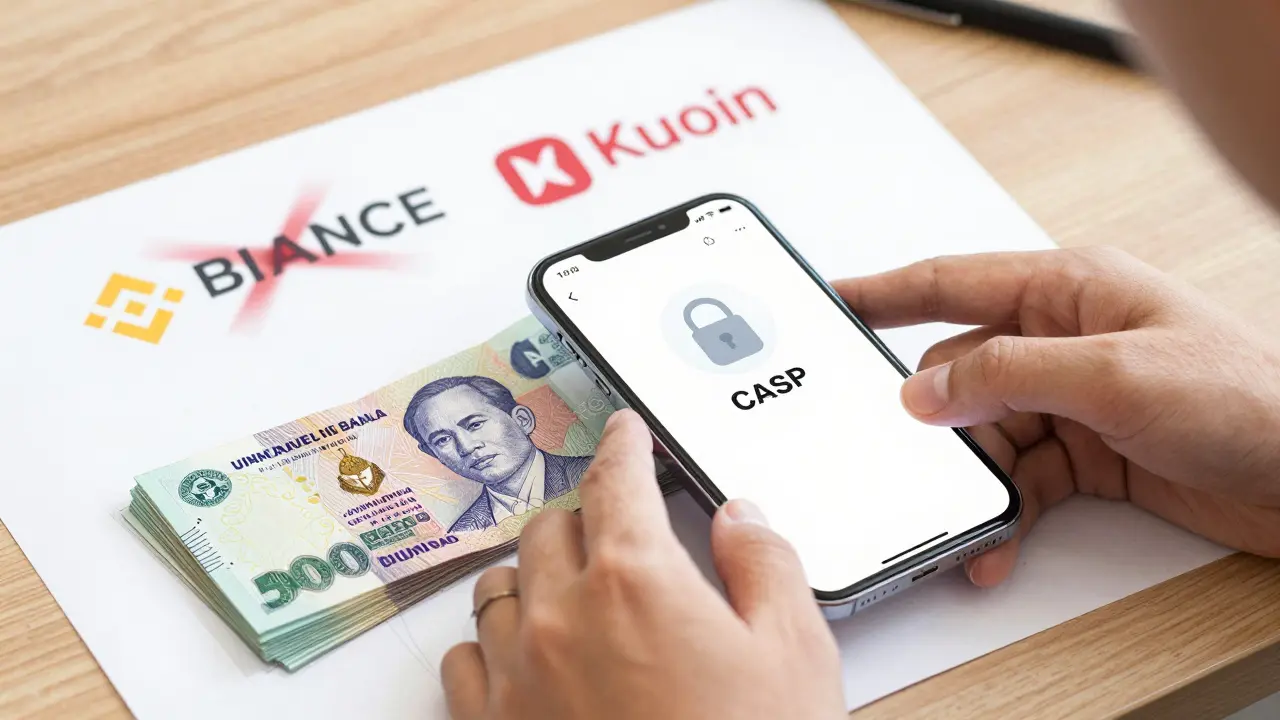
Vietnam is one of the top five countries in the world for crypto adoption. Millions of people trade Bitcoin. The underground market was huge. But without legal clarity, people were vulnerable. Scams ran rampant. Disputes went unresolved. Banks refused to process crypto-related transactions. Now, the government has drawn a line. It’s not about banning crypto. It’s about controlling it. The goal is to stop money laundering, prevent fraud, and keep financial stability. But it’s also about capturing innovation. By creating a legal pathway, Vietnam hopes to attract tech companies, blockchain startups, and foreign investment. The 10 trillion VND capital requirement is a wall. Only a handful of firms can meet it. That means the market will likely be dominated by just a few players - probably state-backed or well-connected private firms. Smaller exchanges? They’re gone. Peer-to-peer trading? Risky. The days of using Binance or KuCoin from Vietnam are over.What About Taxes?
Right now, crypto gains are taxed like securities. If you sell Bitcoin for a profit, you pay capital gains tax. No special crypto tax code yet - but one is coming. The government has said it will issue specific crypto tax rules within two years. Until then, the existing securities tax framework applies. You must report crypto transactions to tax authorities. The Ministry of Finance has access to data from licensed CASPs. If you traded on an unlicensed platform, you’re at risk of being audited. And if you didn’t report gains? You could be fined 20% of the profit - plus interest.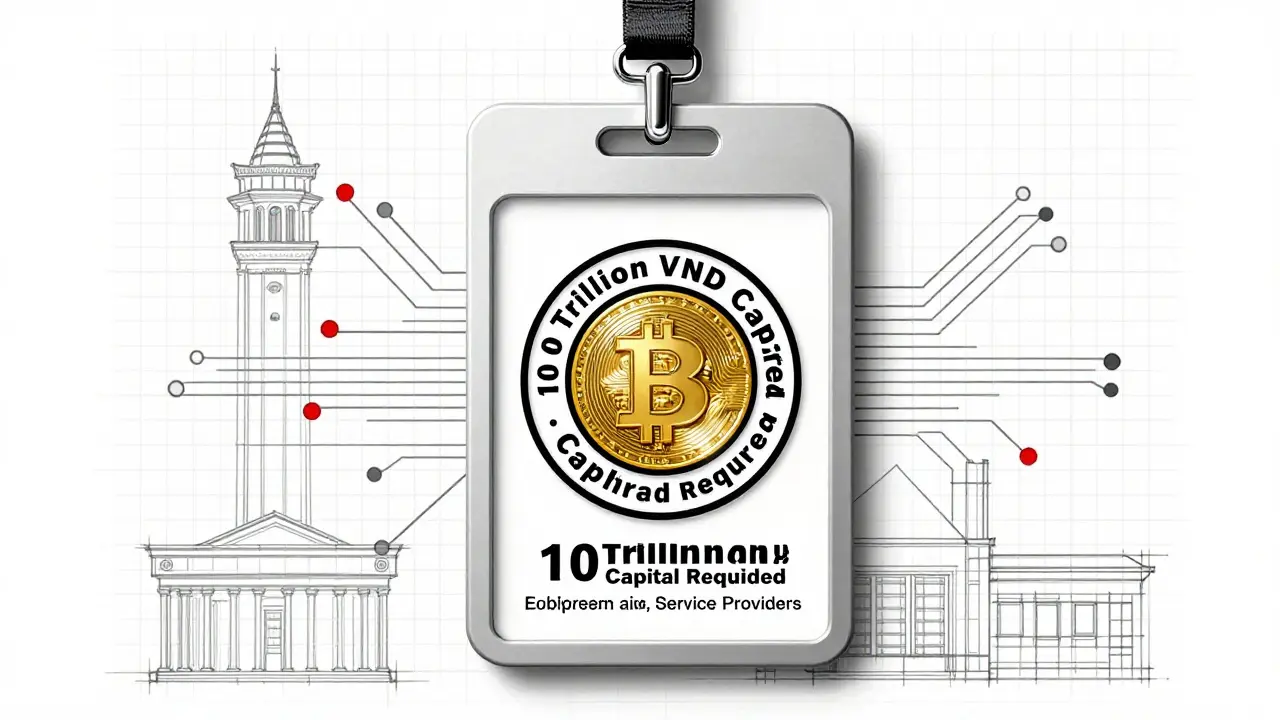
Real-World Impact
In Ho Chi Minh City, a former crypto trader named Linh stopped using Binance in February 2026. She now uses a licensed local platform called VinaCrypto. “It’s slower,” she says. “The fees are higher. But now I know my money is safe. If something goes wrong, I can go to court. Before? I had no recourse.” A startup in Hanoi that raised $2 million in crypto in 2024 had to shut down its wallet system. They couldn’t get licensed. Their investors pulled out. “We thought we were ahead of the curve,” said the founder. “Turns out, we were just breaking the law.” Meanwhile, foreign firms are lining up. Swiss and Singaporean firms are applying to set up CASPs in Vietnam. They see opportunity - but also risk. The rules are strict. The bureaucracy is thick. But the market is huge.What’s Next?
This is a five-year pilot program. The government will review everything in 2031. Will they loosen restrictions? Will they allow stablecoins? Will they let citizens trade directly? No one knows. But the door is open - just barely. For now, Vietnam’s message is clear: Crypto isn’t illegal. But you don’t get to play unless you follow our rules. No gray area anymore. No loopholes. No excuses. If you’re trading crypto in Vietnam today, you’re either on a licensed platform - or you’re breaking the law. There’s no third option.Is Bitcoin legal in Vietnam in 2026?
Yes, Bitcoin and other cryptocurrencies are legal to own and trade in Vietnam as of January 1, 2026 - but only under strict conditions. You must use a government-licensed Crypto Asset Service Provider (CASP) to buy, sell, or hold crypto. Trading on unlicensed platforms or foreign exchanges is illegal. Ownership is protected under civil law, meaning you can inherit or sue for stolen crypto.
Can I use Bitcoin to pay for goods in Vietnam?
No. Vietnam’s 2026 crypto law explicitly bans using cryptocurrencies as payment for goods or services. All transactions must be settled in Vietnamese dong (VND). Even if a merchant accepts Bitcoin, it’s against the law. This applies to online stores, cafes, and even peer-to-peer sales.
What happens if I trade crypto on Binance or KuCoin from Vietnam?
Trading on unlicensed foreign platforms like Binance or KuCoin is illegal under Vietnam’s 2026 law. If caught, you could face administrative fines, account freezes, or even criminal liability depending on the transaction size. The government now has access to transaction data from licensed CASPs and can track cross-border transfers. Using VPNs or anonymous wallets won’t protect you - enforcement is active.
Are stablecoins like USDT allowed in Vietnam?
No. Stablecoins like USDT, USDC, or DAI are banned because they’re backed by fiat currencies - and Vietnam’s law only allows crypto assets backed by real, tangible assets like gold, real estate, or equipment. Any token tied to the US dollar or another currency is considered illegal under the 2026 framework.
Do I have to pay taxes on crypto profits in Vietnam?
Yes. Crypto gains are currently taxed under the same rules as securities. If you sell Bitcoin for a profit, you owe capital gains tax. The Ministry of Finance tracks all transactions through licensed CASPs. Failure to report can lead to audits, penalties of up to 20% of profits, and interest charges. A dedicated crypto tax code is expected by 2028.
Can foreigners trade crypto in Vietnam?
Yes - but only through licensed Vietnamese Crypto Asset Service Providers (CASPs). Foreigners cannot trade directly with Vietnamese individuals or use unlicensed platforms. They must open accounts with approved CASPs, which are required to comply with anti-money laundering and cybersecurity rules. This allows foreign investment while keeping control within Vietnam’s financial system.
What’s the minimum capital needed to start a crypto exchange in Vietnam?
To become a licensed Crypto Asset Service Provider (CASP) in Vietnam, a company must have at least 10 trillion Vietnamese dong in capital - roughly $390 million USD. This high barrier means only large, well-funded firms can operate. Most small exchanges and startups have shut down or been acquired since the law took effect.
Is mining Bitcoin legal in Vietnam?
No. Solo mining or running mining operations is illegal unless you’re part of a licensed CASP with approved backing assets. The law prohibits private issuance of crypto assets, which includes mining. Even if you’re not selling, simply creating new coins without government approval violates the 2026 Digital Technology Industry Law.


