
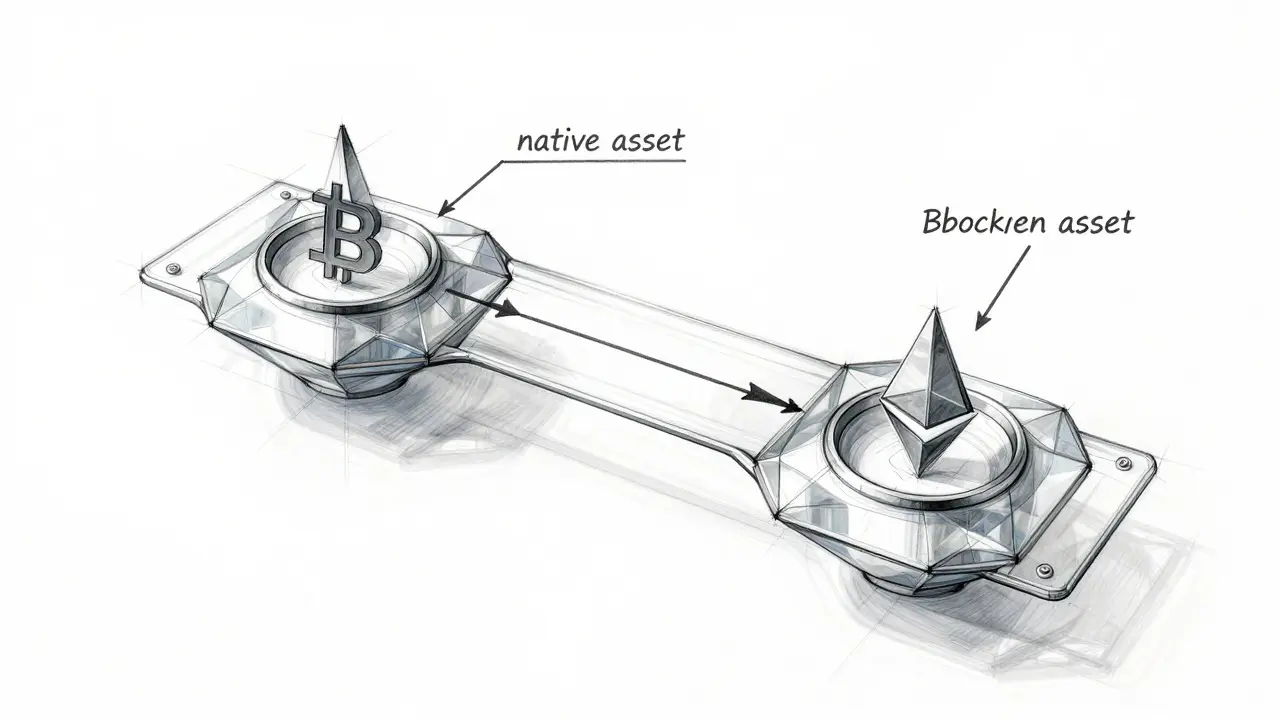
Swapping Bitcoin for Ethereum used to mean trusting a centralized exchange with your keys or dealing with the headache of wrapped tokens. THORChain is a decentralized liquidity protocol that enables native asset swaps across different blockchains without intermediaries. It’s one of the few protocols in the space that lets you move actual BTC, ETH, or BNB directly between chains. But does it live up to the hype? Or is it just another complex DeFi project with slow speeds and high fees?
In this review, we’ll break down how THORChain works, its security record, transaction costs, and whether it’s actually worth using in 2026. We’ll also look at real user experiences and compare it to alternatives like LetsExchange and Li.Finance.
What Is THORChain and How Does It Work?
THORChain isn’t a typical exchange. It’s a standalone blockchain built on the Cosmos SDK and Tendermint consensus mechanism. Launched in 2018 by Steve O’Sullivan, Gavin Cox, and Nick Martitsch, it became fully decentralized in May 2021 after completing its Byzantine Generals Phase.
The core idea is simple: allow users to swap native assets (like Bitcoin) for other native assets (like Ethereum) without wrapping them into ERC-20 tokens or bridging through a central server. Instead, THORChain uses continuous liquidity pools. Each pool pairs a native asset with RUNE, the native utility and governance token of the THORChain network. For example, if you want to swap BTC for ETH, your BTC goes into the BTC.RUNE pool, gets converted to RUNE, and then that RUNE moves into the ETH.RUNE pool to buy ETH.
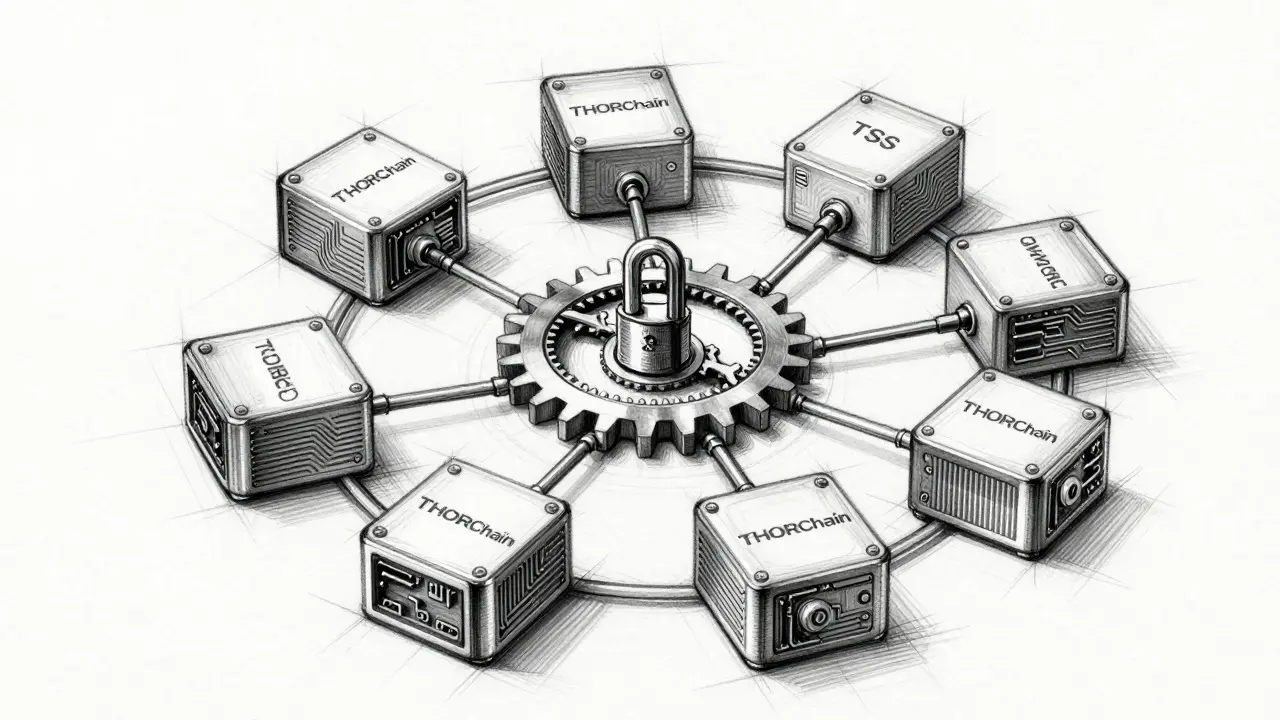
This design eliminates counterparty risk because no single entity holds your funds. As of November 2025, the network runs on 98 active validator nodes, ensuring true decentralization. These validators use Threshold Signature Schemes (TSS) to collectively sign transactions, meaning no single node has the full private key. This makes theft extremely difficult.
Key Features and Technical Specs
Here’s what you need to know before swapping:
- Supported Chains: Bitcoin, Ethereum, BNB Chain, Litecoin, Dogecoin, Bitcoin Cash, Cosmos, and 38 others via partners like Li.Finance.
- Transaction Speed: Average confirmation time is 47 seconds across supported chains. However, Bitcoin swaps take longer-around 30 minutes-due to BTC’s inherent block times.
- Fees: Vary by destination chain. In October 2025, average fees were $0.58 for Bitcoin, $2.15 for Ethereum, and $0.09 for BNB Chain.
- Limits: Minimum transaction is 0.0001 BTC equivalent. Maximums vary: 5 BTC, 15 ETH, or 2,000 BNB per transaction to prevent congestion.
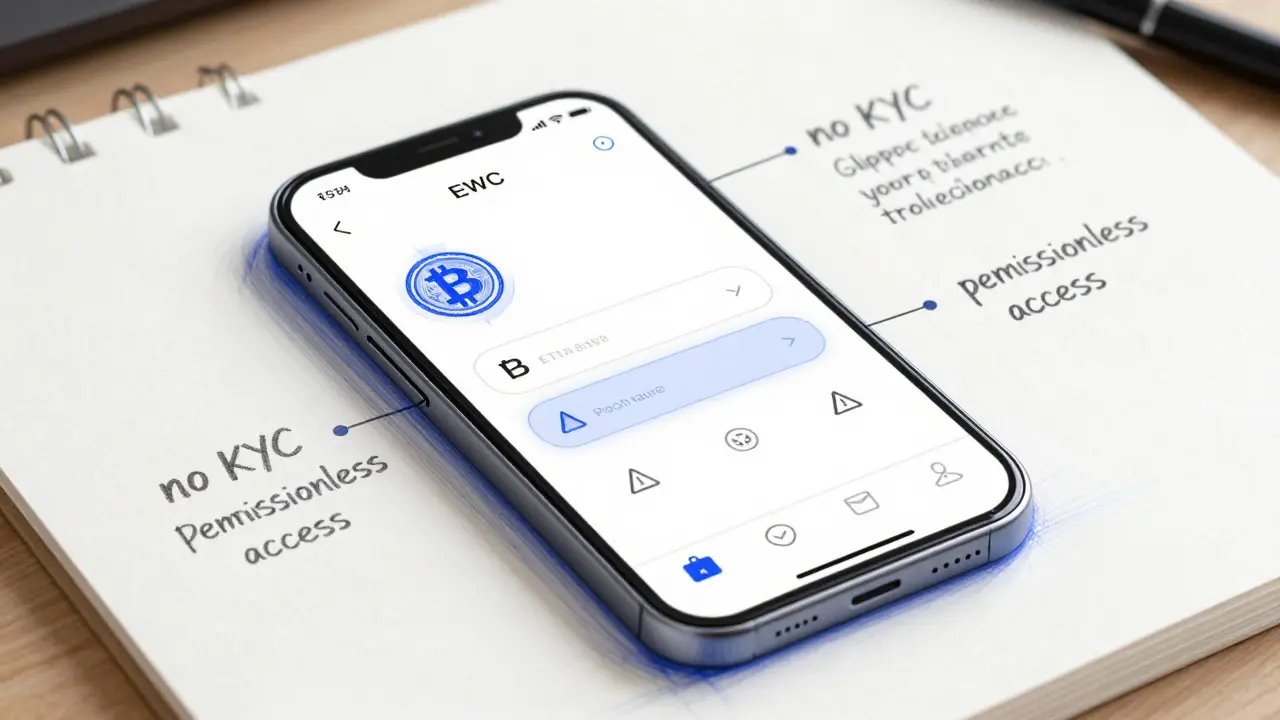
- No KYC: Fully permissionless. You don’t need to verify your identity to use THORChain.
The protocol processes about 1.2 million cross-chain transactions monthly, with a Total Value Locked (TVL) of $1.85 billion as of late 2025. That’s significant volume for a decentralized system.
Security and Audits
Security is THORChain’s strongest selling point. The protocol has been audited by top firms including Cyberscope and CertiK. Cyberscope gave it an 88/100 score in August 2024, placing it in the top 10% of projects they’ve reviewed. CertiK rated it 89.75/100 in January 2025 across six critical categories.
However, it hasn’t been immune to issues. In February 2025, attackers laundered $18.7 million in stolen ETH through THORChain swaps following the Bybit hack. This incident highlighted a vulnerability in how anonymous large transfers could be processed quickly. In response, THORChain launched the Guardian system in March 2025, which reduced suspicious activity by 73% according to internal metrics.
Despite this, the core architecture remains robust. The TSS model ensures that even if some validators are compromised, the network stays secure. Dr. Melissa Chen from Stanford Blockchain Research Center called it “the most secure approach to cross-chain liquidity we’ve analyzed” in October 2025.
User Experience and Interface
THORChain doesn’t have its own app. Instead, you interact with it through frontends like THORSwap, the official web interface for accessing THORChain services. Other popular interfaces include XDEFI Wallet and ThorWallet DEX.
Is it easy to use? Not really. According to a Coin Bureau survey of 450 users in October 2025, beginners need 8-12 hours of study to safely navigate advanced features. Common pain points include:
- Understanding slippage tolerance settings (cited by 41% of users)
- Managing gas tokens for multiple chains (38% of users)
- Dealing with stuck transactions (affected 12.7% of users in Q3 2025)
That said, the documentation has improved significantly. GitBook rated THORChain’s docs 4.3/5 in 2025, praising their technical depth but noting room for improvement in beginner-friendly content.
On Trustpilot, THORSwap has a 4.1/5 rating from 142 reviews. Positive feedback highlights “no KYC” and “true decentralization.” Negative reviews mostly complain about slow Bitcoin times (47% of complaints) and complexity (39%).
THORChain vs. Alternatives
| Feature | THORChain | LetsExchange | Li.Finance |
|---|---|---|---|
| Asset Type | Native Assets Only | Wrapped Assets (87%) | Mixed (Native + Wrapped) |
| Decentralization | High (98 Validators) | Low (Centralized Infra) | Medium (Multi-Protocol) |
| Avg. Fee (BTC Swap) | $0.58 | $0.35 | $0.42 |
| Speed (BTC Finality) | ~30 Minutes | ~2 Minutes | ~5 Minutes |
| KYC Required | No | Yes (for large amounts) | No |
| Market Share (Q3 2025) | 9.3% | 28.3% | Part of Aggregator |
THORChain leads in security and decentralization but lags in speed and cost-efficiency for small transactions. If you’re moving over $10,000, THORChain is often the safer choice. For micro-transactions under $100, wrapped solutions like LetsExchange may be more practical despite higher counterparty risk.
Pros and Cons
Pros:
- True non-custodial swaps-you keep control of your keys.
- No wrapped tokens means no bridge hacks or depegging risks.
- Strong audit history and transparent validator set.
- Growing institutional interest (17 financial institutions using it as of Oct 2025).
- Active community support via Telegram and Discord.
Cons:
- Slow Bitcoin finality (~30 mins) compared to wrapped alternatives.
- Higher fees for Ethereum swaps ($2.15 avg).
- Steep learning curve for beginners.
- Capital efficiency is lower than Uniswap V3 (15-20% vs 85-90%).
- Regulatory uncertainty: U.S. Treasury classified native cross-chain protocols as money transmitters in Oct 2025.
Who Should Use THORChain?
THORChain isn’t for everyone. It’s ideal for experienced crypto users who prioritize security and decentralization over speed. If you hold significant amounts of Bitcoin or Ethereum and want to diversify without trusting a centralized exchange, THORChain is a strong option.
It’s less suitable for:
- Beginners unfamiliar with wallets and gas fees.
- Users making frequent small trades under $100.
- Those needing instant settlement (e.g., day traders).
According to Consensys, 78% of THORChain users have 2+ years of crypto experience. This suggests the platform caters to seasoned participants.
Future Outlook and Upgrades
THORChain is actively evolving. The “Asgard Exodus” upgrade in September 2025 reduced fees by 31% and increased throughput by 47%. The upcoming “Valhalla” upgrade, scheduled for Q1 2026, aims to introduce zero-knowledge proofs for privacy and cut Bitcoin swap times to under 15 minutes.
Price predictions for RUNE vary. Changelly forecasts $1.80 by Dec 2025, while WEEX sees potential for $6.00 year-end. With 68% of RUNE supply staked, token holders are incentivized to maintain network health.
Long-term viability looks solid. Delphi Digital estimates an 82% survival probability over five years due to strong tech foundations. However, Bernstein warns regulatory headwinds could reduce market share by 25-40% by 2027.
Final Verdict
THORChain is a powerful tool for native cross-chain swaps. It sacrifices speed and simplicity for unparalleled security and decentralization. If you value keeping your assets in their native form and don’t mind waiting 30 minutes for Bitcoin swaps, it’s one of the best options available in 2026.
Just be prepared to learn. Read the docs, join the Telegram groups, and start small. Once you get the hang of it, THORChain offers a level of freedom that centralized exchanges simply can’t match.
Is THORChain safe to use?
Yes, THORChain is considered highly secure. It uses Threshold Signature Schemes (TSS) and has been audited by Cyberscope (88/100) and CertiK (89.75/100). While it faced a laundering incident in Feb 2025, subsequent upgrades like the Guardian system have significantly improved monitoring.
How long do THORChain transactions take?
Average confirmation time is 47 seconds for most chains. However, Bitcoin swaps take approximately 30 minutes due to BTC’s block time. The upcoming Valhalla upgrade aims to reduce this to under 15 minutes.
Do I need KYC to use THORChain?
No. THORChain is fully permissionless and requires no Know Your Customer (KYC) verification. You only need a compatible wallet like XDEFI or ThorWallet DEX.
What is the minimum amount to swap on THORChain?
The minimum transaction amount is 0.0001 BTC equivalent. Maximum limits vary by asset: 5 BTC, 15 ETH, or 2,000 BNB per transaction.
How does THORChain compare to LetsExchange?
THORChain offers native asset swaps with high decentralization but slower speeds (~30 mins for BTC). LetsExchange uses wrapped assets, offering faster swaps (~2 mins) but lower decentralization and higher counterparty risk.
What is the RUNE token used for?
RUNE is the native token of THORChain. It serves as the settlement asset for all swaps, provides governance rights, and is staked by validators and liquidity providers to secure the network.
Are there any hidden fees on THORChain?
Fees are transparent and vary by destination chain. As of Oct 2025, averages are $0.58 for BTC, $2.15 for ETH, and $0.09 for BNB. There are no hidden fees, but you must pay gas fees for the destination chain separately.