Think about the last time you celebrated an anniversary. Maybe it was five years, maybe twenty-five. You likely had cards, flowers, or a nice dinner. But what did you have that truly captured who you were at the start of that journey? Most people reach for old photos. Photos are great, but they don't speak. They don't tell you why you said "yes" back then, or what you were afraid of, or what you hoped for.
This is where the idea of a send a letter to your future self concept shines, especially when adapted for couples or families. Instead of one big note buried in a drawer, imagine a series. A letter written today for next year. Another for the year after. You write them all now, set the dates, and let time do the rest. The problem with traditional methods-like writing on paper and hiding it, or scheduling an email-is reliability. Paper degrades. Email accounts get hacked, deleted, or forgotten. To make this work over decades, you need a system that guarantees delivery without relying on a single company staying in business forever.
Why Traditional Storage Fails Over Time
We often underestimate how fragile our current communication tools are. If you schedule an email to send in ten years, you are betting that your email provider still exists, that you haven't changed passwords and lost access, and that the server hasn't been corrupted. It's a risky bet. Physical letters face even worse odds. Ink fades, paper yellows, and houses move. How many important notes have been lost simply because someone threw away a box of "old stuff" during a move?
The core issue is centralization. When you store data on a standard cloud service or in a physical location, you are dependent on a single point of failure. If that point fails, your message is gone. For something as meaningful as an anniversary series, you need permanence. You need a way to lock those words away so they survive not just the passage of time, but changes in technology, ownership, and personal circumstances.
The Solution: Encrypted Vaults with Permanent Storage
This is where modern technology shifts the paradigm. By using a Vaulternal is a secure platform that uses client-side encryption and distributed blockchain storage to ensure messages arrive exactly when scheduled. you remove the risk of loss. Here is how it works in practice. When you write a letter, it is encrypted on your own device before it ever leaves your hands. This means no one-not even the company hosting the service-can read it. The key to unlock it stays with you.
Once encrypted, the file isn't stored on a single corporate server. It is broken into chunks and distributed across Arweave is a permanent web storage protocol that ensures data remains accessible indefinitely without recurring fees, which provides permanent storage. It is also anchored via Polygon is a blockchain network used here to record metadata and verify the integrity of stored files and distributed through IPFS is the InterPlanetary File System, a peer-to-peer protocol for storing and sharing data in a distributed file system. This combination creates a form of decentralized storage is a method of storing data across multiple nodes rather than a single server, ensuring redundancy and longevity. Even if the original website disappears tomorrow, the data remains on the network. The trigger mechanism-the timer that says "deliver this on June 14, 2035"-is built into the system's logic, independent of daily operational uptime.
Setting Up Your Anniversary Series
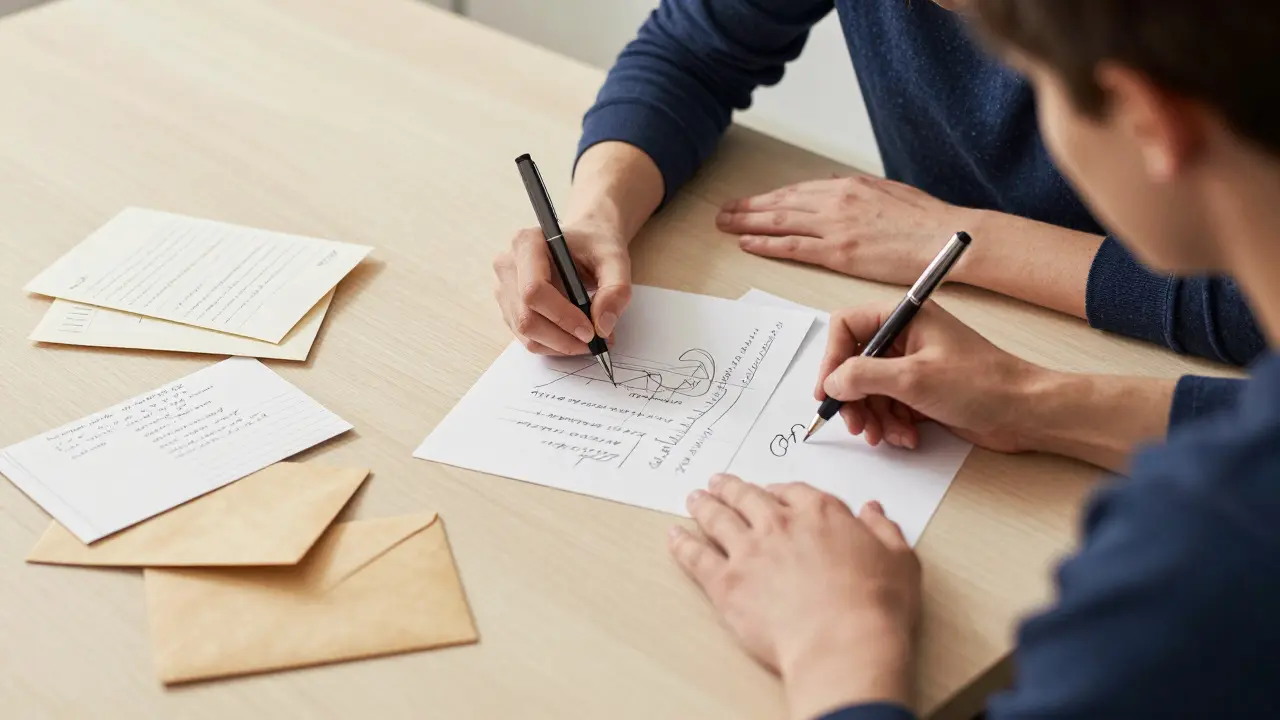
Creating a series of letters is simpler than you might think. You don't need to log in every year to write a new note. You can sit down once, perhaps on your actual anniversary, and write multiple entries. Let's say you want to celebrate your first ten years together. You could write ten short letters now.
- Letter 1 (Year 1): Reflect on the excitement of the early days. What surprised you about living together?
- Letter 5 (Year 5): Look back at challenges overcome. How has your partnership evolved?
- Letter 10 (Year 10): Project your hopes for the next decade. What adventures are left to take?
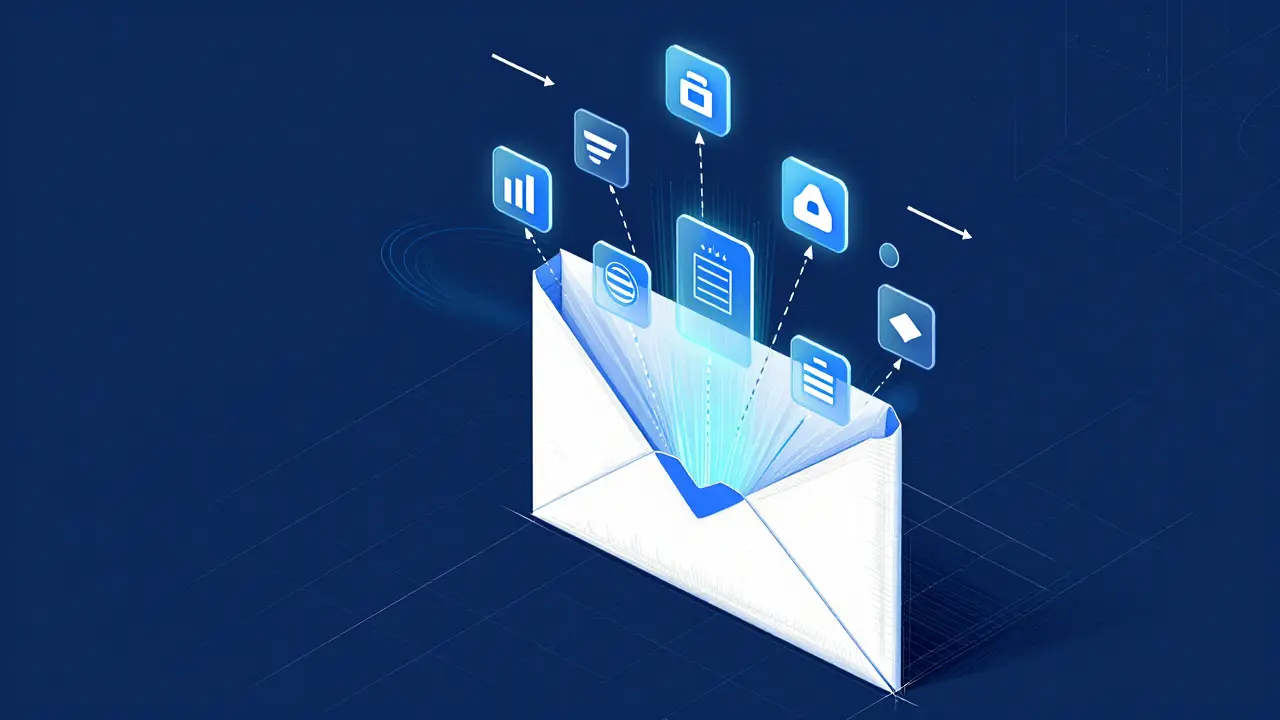
For each letter, you set a specific future date. The system holds these messages in a digital vault is an encrypted, secure online space for storing sensitive documents and messages with controlled access. until that date arrives. On the morning of your fifth anniversary, the recipient receives a notification. They click the link, enter their access code, and read your words from five years ago. It feels like magic, but it's just solid engineering.
You can also update these messages before the delivery date. Life happens. Maybe by year three, you realize your perspective on year five has changed. You can edit the draft. This flexibility ensures that when the letter opens, it resonates with the truth of that moment, while still preserving the original intent.
Privacy and Zero-Knowledge Security
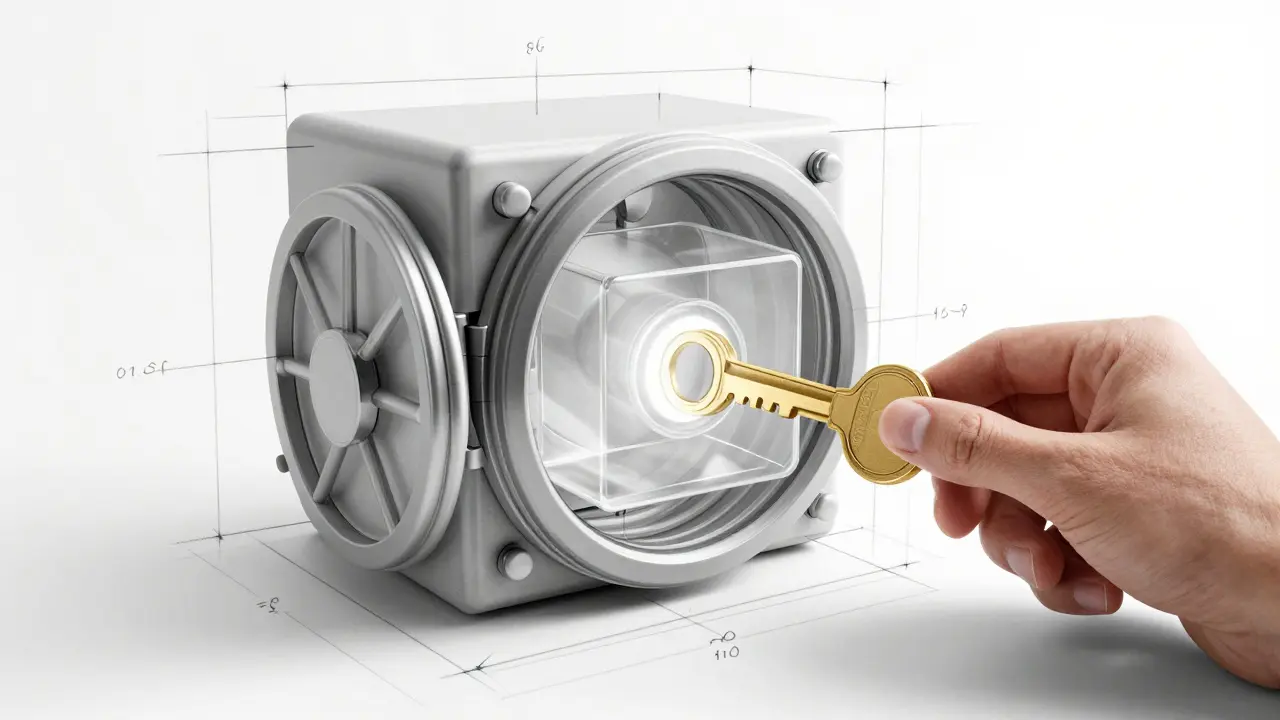
Intimacy requires privacy. You wouldn't leave a diary open on the kitchen table, so why would you trust a generic cloud drive with your deepest reflections? Vaulternal operates on a zero-knowledge architecture. This is a critical distinction. In most services, the company holds the keys to your data. They can be subpoenaed, hacked, or compromised. With zero-knowledge, the encryption happens locally on your browser or app. The server only sees scrambled gibberish. Without your private key, that data is useless to anyone else.
This level of security is essential for long-term storage. If you are planning to keep these letters for twenty or thirty years, you need assurance that no unauthorized party can peek in. The use of AES-256-GCM encryption standards ensures that even if the raw data were intercepted, it would take millennia to crack. This isn't just about hiding secrets; it's about protecting the sanctity of your personal narrative.
Beyond Anniversaries: Milestones and Future-Self Notes
While anniversary letters are a powerful use case, this method applies to any significant milestone. Parents often use this feature to send a letter to your future self is a practice of writing messages to be opened at a later date to reflect on personal growth and change, but it works beautifully for children too. Imagine writing a letter for your child to open on their 18th birthday, or when they graduate college. You capture your voice, your advice, and your love in a way that text messages never could.
Similarly, individuals use this for personal growth. Writing to your future self allows you to track your evolution. Are you still pursuing that dream? Did you forgive that person? These letters serve as checkpoints in your life's journey. Because the storage is decentralized, you don't have to worry about the platform shutting down before you're ready to read them. The infrastructure is designed to outlast trends and companies.
Practical Tips for Writing Lasting Letters
To get the most out of your scheduled letters, consider these practical tips:
- Be Specific: Avoid vague platitudes. Mention specific events, feelings, and details. "I remember the rain on our honeymoon" is more powerful than "We had a good trip."
- Date Stamp Everything: Include the current date and context in the letter. Future you will forget what was happening in the world when you wrote it.
- Keep it Concise: Long essays can feel daunting to read years later. Short, poignant paragraphs are often more impactful.
- Test the Access: Before setting a date far in the future, send a test message to yourself for tomorrow. Ensure you know how to retrieve it and that your contact information is up to date.
By taking the time to set this up now, you gift your future self-and your loved ones-with a tangible connection to the past. It’s a small effort that yields immense emotional returns.
Getting Started with Scheduled Letters
If you are ready to start your own series, the process is straightforward. You can schedule a letter with Vaulternal directly from their dedicated page. The free plan offers 2 GB of storage, which is plenty for text-based letters and even some photo attachments. If you anticipate adding videos or high-resolution images, the Starter or Pro plans provide unlimited storage at affordable rates.
There is no credit card required for the free tier, so you can experiment without commitment. Create an account, write your first entry, set the date, and watch the calendar tick down. It’s a simple act of preservation that defies the usual decay of digital memory.
Can I change my mind and delete a scheduled letter?
Yes, you can update or delete any scheduled message before the delivery date. Since you hold the decryption keys, you maintain full control over your content until it is released.
What happens if I lose my password?
Because Vaulternal uses zero-knowledge encryption, there is no "forgot password" reset that reveals your data. However, you can set up trusted contacts or recovery methods during setup to ensure access isn't permanently lost. Always keep your backup keys safe.
Is it really permanent? What if the company goes bankrupt?
The data itself is stored on Arweave and IPFS, which are decentralized networks. This means the files exist independently of Vaulternal's corporate servers. Even if the company ceased operations, the data would remain on the blockchain and distributed network, accessible via the correct keys.
Can I send a video instead of a text letter?
Absolutely. Vaulternal supports various file types, including videos. Just be mindful of file sizes. The free plan includes 2 GB, which is sufficient for several short video messages. Larger files may require a paid plan for unlimited storage.
Who can receive these letters?
You can send letters to yourself, your partner, family members, or friends. Each recipient gets a unique access link. No special technical knowledge is required for them to open and read the message on the scheduled date.


