
SHA256 Coin: What It Is, How It Works, and Which Projects Use It
When people talk about a SHA256 coin, a cryptocurrency that uses the SHA-256 cryptographic hash function to secure its blockchain. Also known as SHA-256-based coin, it doesn't refer to one single currency—it's a category defined by how transactions are verified and blocks are added. This isn't just tech jargon. SHA-256 is the backbone of Bitcoin and over 50 other coins. It turns data into a fixed-length string of letters and numbers, making it nearly impossible to reverse-engineer or tamper with. That’s why miners race to solve these puzzles: because getting it right means adding a new block and earning rewards.
SHA-256 isn’t just about mining. It’s the reason your Bitcoin holdings stay safe. Every transaction gets hashed, chained together, and verified across thousands of nodes. If someone tries to change a single transaction, the entire chain breaks because the SHA-256 hash changes completely. That’s the magic. It’s not magic—it’s math. And it’s why coins like Bitcoin, Litecoin, and Bitcoin Cash all use this same algorithm. Even if the coin’s name changes, if it uses SHA-256, it’s built on the same security foundation as Bitcoin. You don’t need to understand the math to use it, but knowing it exists helps you spot fake coins. Many scams try to pass off random tokens as "SHA256 coins"—but if they’re not mining or securing a real blockchain, they’re just digital paper.
Not all coins use SHA-256. Ethereum moved to proof-of-stake. Solana uses a different consensus. But for miners, SHA-256 is still the gold standard. ASICs—specialized hardware built just for SHA-256—dominate mining rigs because they’re faster and more efficient than regular computers. That’s why you won’t mine Bitcoin on your laptop anymore. It’s not about skill—it’s about power. And that power comes from the algorithm itself. SHA-256 is simple, reliable, and brutally efficient. It doesn’t need updates. It doesn’t need fixes. It just works.
What you’ll find in the posts below isn’t a list of SHA256 coins. It’s a look at what happens when this algorithm meets real-world markets: exchanges that handle SHA-256-based coins, projects that tried to copy Bitcoin’s model and failed, and scams that pretended to be mining-related. You’ll see how security, regulation, and user behavior play out when the math is solid but the people aren’t. Whether it’s a shutdown exchange, a dead token, or a banned country’s crypto scene—SHA-256 is still there, quietly holding it all together.
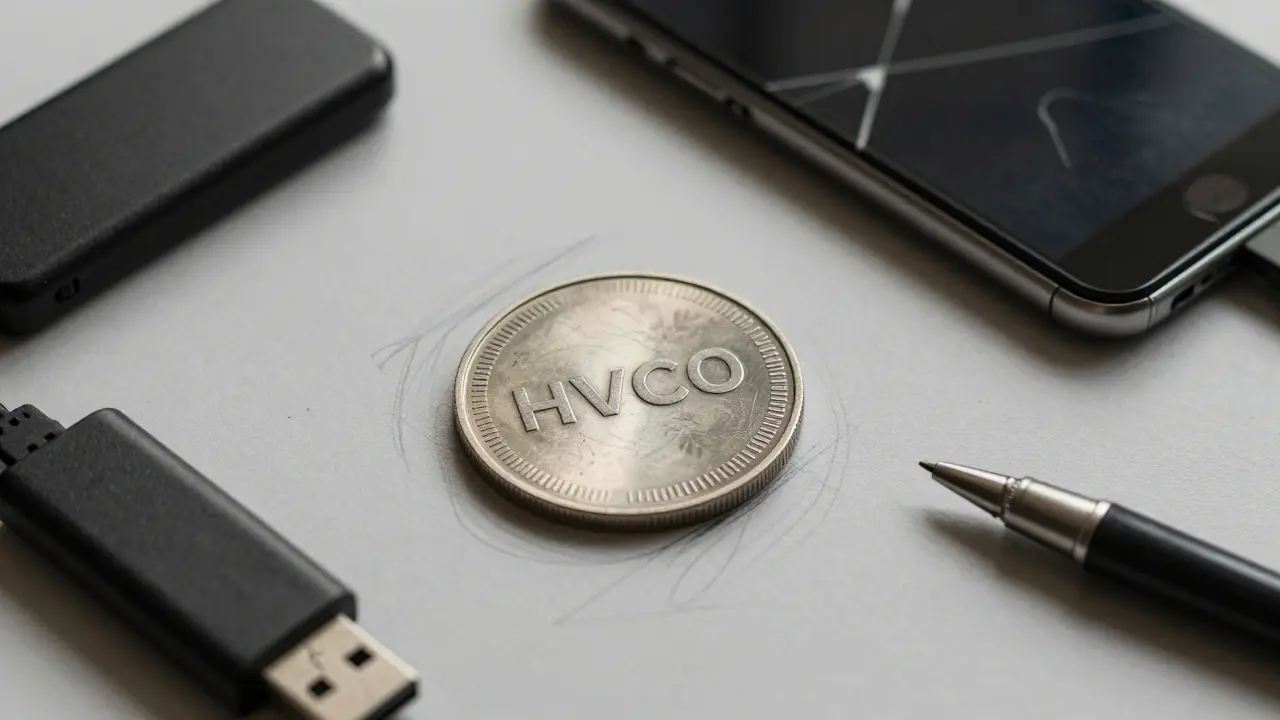
What is High Voltage (HVCO) Crypto Coin? The Full Story Behind a Defunct Cryptocurrency
High Voltage (HVCO) crypto is a defunct cryptocurrency with zero trading volume, no active development, and abandoned infrastructure. Once priced at $1.80, it now has no usable wallets, exchanges, or community. Learn why it failed and why you should avoid it.