
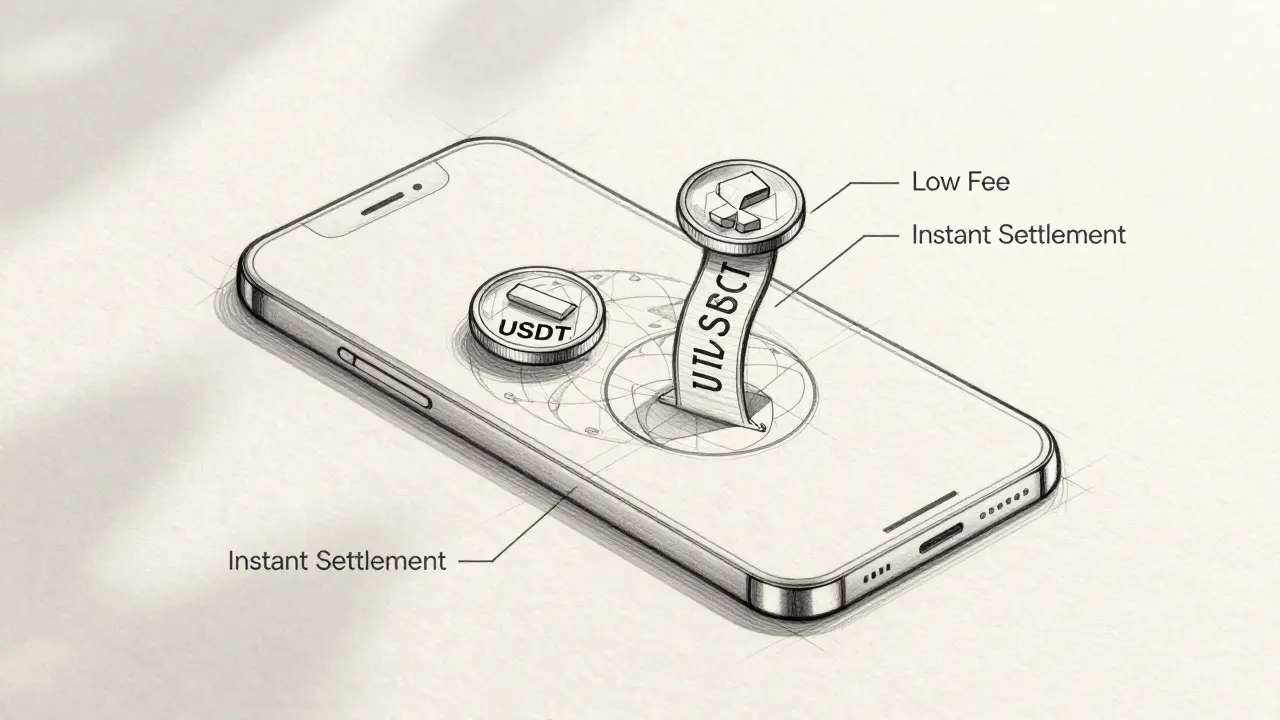
Have you ever tried to send money to a family member overseas? You likely noticed that the process is slow, expensive, and often feels like it’s stuck in limbo. Traditional banking systems rely on a chain of intermediaries-correspondent banks-that pass the money along, taking cuts at every step. This old model is breaking down under the weight of modern expectations for speed and low cost. Enter cryptocurrency, specifically stablecoins pegged to fiat currencies. These digital assets promise to slash fees from 6% to fractions of a cent and move funds in minutes rather than days.
But there’s a catch. While the technology works beautifully in a vacuum, the real world is filled with rules, borders, and restrictions. As we navigate through 2026, the landscape for using crypto for cross-border payments is defined not just by code, but by compliance. Governments are waking up to the volume of money moving via blockchains, and they are tightening the screws. Understanding these restrictions is crucial if you want to use this tech without getting your funds frozen or facing legal headaches.
The Problem with Traditional Remittances
To understand why people are turning to crypto, you have to look at what they are leaving behind. The traditional system is built on correspondent banking. When you send dollars from New Zealand to the Philippines, your bank doesn’t physically ship cash. It sends a message to a partner bank, which sends another message to yet another bank, until the recipient’s local bank credits their account. Each step involves manual checks, currency conversions, and fees.
According to the World Bank’s September 2024 report, the average global cost to send a $200 remittance was approximately 6.62%, or about $13.24. For someone earning minimum wage, losing nearly 7% of a transfer is devastating. On top of that, settlement times can take three to five business days. In an emergency, waiting that long is unacceptable. This inefficiency creates a massive market opportunity for alternatives that bypass the middlemen entirely.
How Stablecoins Change the Game
Stablecoins are cryptocurrencies designed to maintain a stable value by being pegged to an external reference, such as the US dollar. Unlike Bitcoin, which can swing wildly in price, stablecoins like USDC or USDT stay close to $1.00. This stability makes them practical for everyday transactions and payroll.
In 2024, stablecoins moved an eye-opening $15.6 trillion in value, effectively matching Visa’s annual transaction volume. By late 2025, stablecoin usage accounted for 3% of the $200 trillion in total global cross-border payments. The technical advantage is clear. Blockchain networks operate 24/7 and settle transactions atomically. This means the payment instruction and the account update happen simultaneously. There is no "pending" state where money disappears into the void. On Layer 2 networks, transaction fees can drop below $0.01, and settlement happens in under a minute.
Regulatory Restrictions and Compliance Hurdles
If the tech is so good, why isn’t everyone using it? The answer lies in restrictions. Financial regulators view unmonitored money flows as a risk for money laundering and terrorist financing. As adoption grows, so does scrutiny. In 2026, the regulatory environment is fragmented and complex.
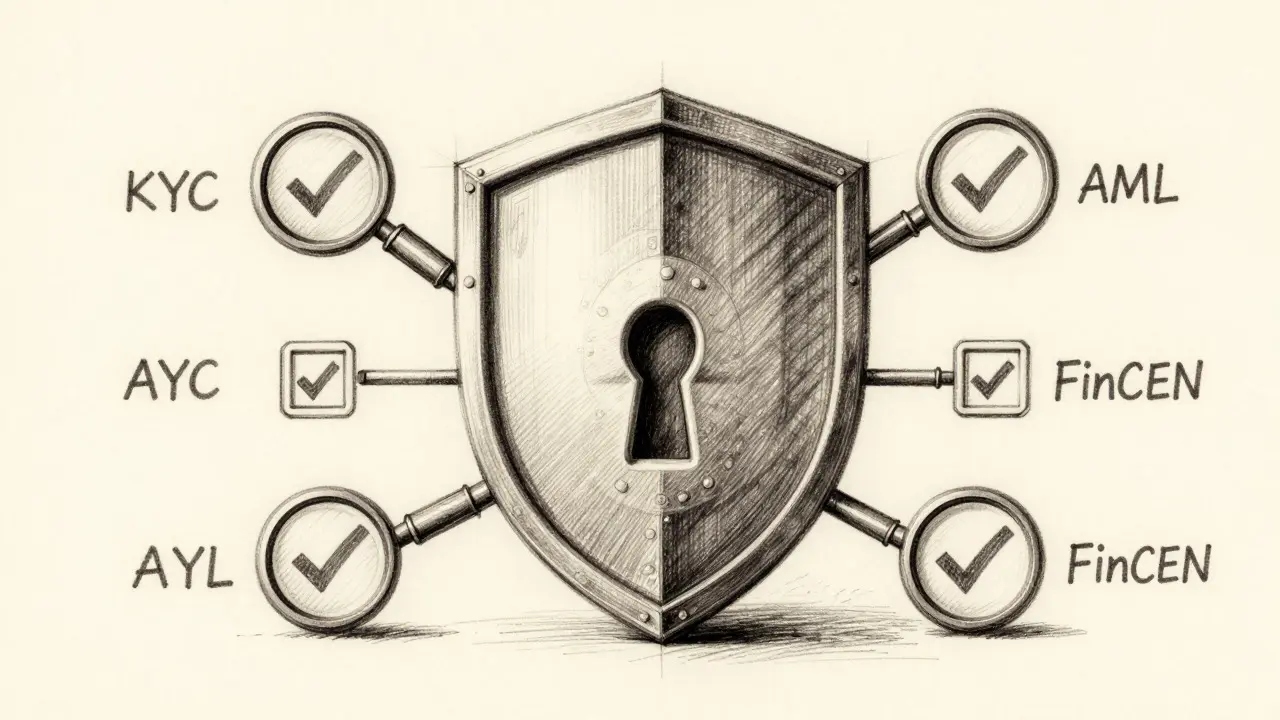
In the European Union, the Markets in Crypto-Assets (MiCA) regulation has fully taken effect. MiCA imposes strict requirements on issuers of stablecoins, requiring them to hold reserves and provide transparency. For users, this means more security but also more friction. Providers must enforce Know Your Customer (KYC) and Anti-Money Laundering (AML) checks rigorously. If you try to use a non-compliant platform, you might find your account blocked.
In the United States, the framework is still evolving, but the Bank Secrecy Act remains a powerful tool. The Financial Crimes Enforcement Network (FinCEN) requires Virtual Asset Service Providers (VASPs) to track the originator and beneficiary of transfers above certain thresholds. This is known as the Travel Rule. While blockchain allows for pseudonymity, compliant platforms now embed this data on-chain or share it privately between institutions. For the average user, this means you can no longer remain anonymous when sending large sums. You need a verified identity.
The On-Ramp and Off-Ramp Bottleneck
The biggest restriction isn’t always the law; it’s the infrastructure. To use stablecoins for remittances, you need to convert fiat currency (like NZD or USD) into crypto, send it, and then convert it back to local fiat for the recipient. These conversion points are called on-ramps and off-ramps.
In developed nations, on-ramps are relatively easy. You can link your bank account to exchanges like Coinbase or Kraken. However, in emerging markets where remittances are most needed, off-ramps are scarce. A user in Nigeria might receive USDC easily, but converting it to Naira often requires third-party services that charge 3-5% fees. This negates some of the cost savings from the blockchain transfer itself. Furthermore, some central banks restrict direct access to foreign cryptocurrencies, forcing users to rely on peer-to-peer (P2P) markets, which carry higher counterparty risk.
| Feature | Traditional Banking | Stablecoin Blockchain |
|---|---|---|
| Average Fee ($200 transfer) | $13.24 (6.62%) | <$0.01 (on Layer 2) |
| Settlement Time | 3-5 Business Days | Under 1 Minute |
| Regulatory Clarity | High (Established Laws) | Moderate (Evolving Frameworks) |
| Anonymity | Low (Full KYC) | Low (Compliant Platforms require KYC) |
| Accessibility | Requires Bank Account | Requires Internet & Wallet |
Interoperability and Technical Limits
Another hidden restriction is technical interoperability. Not all blockchains talk to each other seamlessly. If you send USDC on Ethereum, the recipient needs an Ethereum wallet. If they only have a Solana wallet, the transfer fails or requires a bridge. Bridges have historically been vulnerable to hacks. To solve this, protocols like Circle’s Cross-Chain Transfer Protocol (CCTP) allow USDC to be burned on one chain and minted on another. This preserves fungibility and reduces risk, but it adds complexity. Users must trust the protocol operator to manage the reserves correctly.
J.P. Morgan analysts note that unless one blockchain network becomes the global standard, we risk replicating the siloed nature of traditional banking in the crypto space. Different chains have different speeds, costs, and security profiles. Choosing the wrong chain can lead to unexpectedly high gas fees during network congestion, eroding the cost benefits.

Who Should Use Crypto for Remittances?
Despite the restrictions, crypto remittances are ideal for specific scenarios. Businesses engaging in B2B trade benefit immensely. Suppliers in Southeast Asia who accept USDC can receive payments instantly without worrying about weekend bank closures. According to Gartner, 38% of Fortune 500 companies were using blockchain for cross-border payments by 2025. For these firms, the ability to automate reconciliation via smart contracts outweighs the compliance overhead.
For individuals, it depends on the corridor. If you are sending money to a country with high traditional remittance fees (like parts of Africa or Latin America) and the recipient has access to a reliable off-ramp, crypto saves significant money. However, if the recipient is elderly or technologically inexperienced, the learning curve and risk of user error (sending to the wrong address) may make traditional services like Wise or Western Union safer options.
Future Outlook: CBDCs and Harmonization
Looking ahead to 2027, the next frontier is Central Bank Digital Currencies (CBDCs). Approximately 90% of central banks are exploring CBDCs. Projects like mBridge, led by the Bank for International Settlements, aim to connect national CBDCs for instant cross-border settlement. This could offer the best of both worlds: the speed and efficiency of blockchain with the legal certainty of sovereign currency. However, CBDCs raise privacy concerns, as governments would have full visibility into transactions. For now, private stablecoins remain the dominant force in cross-border crypto payments, but their future will depend heavily on how well regulators harmonize their rules across borders.
Is it legal to send remittances using cryptocurrency in 2026?
Yes, in most major jurisdictions, it is legal to use cryptocurrency for remittances, provided you use compliant platforms. Regulations like MiCA in Europe and evolving frameworks in the US require providers to follow AML and KYC rules. Avoid unregulated peer-to-peer transfers for large amounts to minimize legal risk.
Are stablecoins safe for international transfers?
Stablecoins issued by reputable companies like Circle (USDC) or Tether (USDT) are generally considered safe due to reserve backing and audits. However, risks include smart contract bugs, exchange insolvency, and regulatory bans. Always use established wallets and verify the contract addresses before sending funds.
What are the main restrictions on crypto remittances?
The main restrictions are regulatory compliance (KYC/AML), limited off-ramp infrastructure in developing countries, and technical interoperability issues between different blockchain networks. Some countries also impose capital controls that restrict holding foreign-denominated digital assets.
How much cheaper are crypto remittances compared to banks?
Crypto remittances can be significantly cheaper. While traditional banks charge around 6.62% on average, stablecoin transactions on efficient networks can cost less than $0.01 per transfer. However, conversion fees at on/off ramps can add 1-3% to the total cost.
Do I need a bank account to use crypto for remittances?
Not necessarily. You need a digital wallet and internet access. However, to load funds initially (the on-ramp), you typically need a bank account or debit card linked to a regulated exchange. Some P2P platforms allow cash-based loading, but these carry higher risks.