
You’ve seen the hype. Maybe it was a Telegram group buzzing with promises of free tokens, or a Twitter thread claiming that the Plant vs Undead team is dropping millions of PVU tokens through a mysterious "BSC MVB III" event. It sounds too good to be true, right? In the world of crypto gaming, especially on the Binance Smart Chain (BSC), "too good to be true" usually means one thing: danger.
If you are looking for verified details on a specific "BSC MVB III PVU Event airdrop," here is the hard truth: there is no official record of this specific event from the Plant vs Undead developers. The term "MVB" typically refers to Binance’s Most Valuable Builder program, but there is no public documentation linking this prestigious Binance initiative directly to a new PVU airdrop campaign in 2026. Instead, what you are likely encountering is a mix of outdated information, community rumors, and potentially malicious scams designed to drain your wallet.
What Is Plant vs Undead (PVU)?
To understand why these airdrop claims are circulating, we first need to look at the project itself. Plant vs Undead (PVU) is a blockchain-based play-to-earn game built on the Binance Smart Chain. Launched originally around 2021, it combines farming simulation mechanics with decentralized finance (DeFi). Players buy NFT plants using PVU tokens, plant them on virtual land, and harvest Light Energy (LE) tokens. These LE tokens can then be swapped back for PVU or used to buy in-game tools like pots and water.
The game has evolved significantly since its launch. It started with simple farming modes but expanded into survival modes where players fight waves of undead enemies to earn rewards. More recently, the project shifted focus toward the opBNB chain (an optimistic rollup layer for BNB Chain) to reduce gas fees and improve transaction speeds. As of mid-2026, the project operates on structured "Year" cycles, with Year 37 having commenced in early 2025. This cyclical nature resets certain in-game assets and keeps the economy balanced, but it also creates confusion for new users trying to track active promotions.
The "BSC MVB III" Myth Explained
So, where did the idea of a "BSC MVB III" airdrop come from? Let’s break down the terminology. "BSC" stands for Binance Smart Chain, the network where PVU lives. "MVB" stands for Most Valuable Builder, a program by Binance Labs to support promising projects. However, MVB status is an investment and partnership tier, not a marketing channel for random airdrops.
When you see "MVB III" attached to a PVU airdrop, it is likely a fabrication. Scammers often borrow credible-sounding acronyms to lend authority to their fake events. They might claim that because PVU was once associated with Binance ecosystems, they are eligible for a massive token distribution. But here is the catch: legitimate airdrops from major partners like Binance are announced on official channels-Twitter, Discord, and the project’s main website-with clear smart contract addresses and verification steps. They rarely ask you to send tokens first.
Red Flags: How to Spot a PVU Airdrop Scam
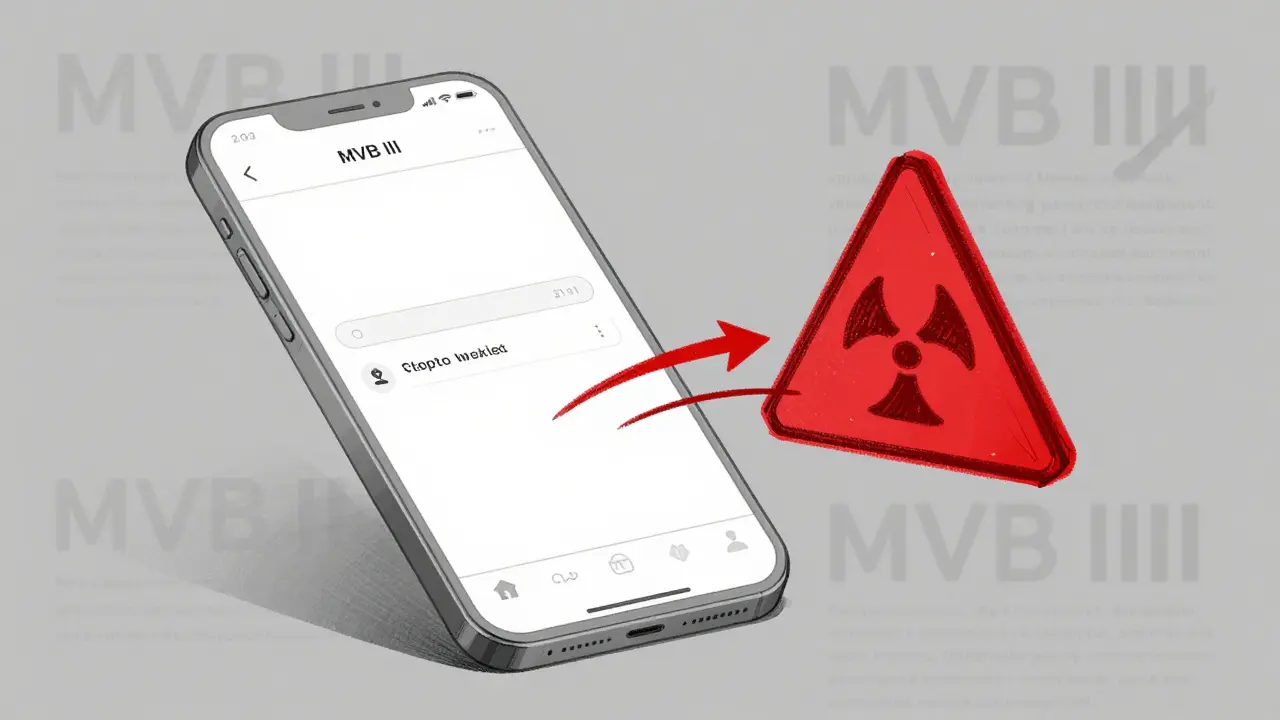
Without official confirmation of the "MVB III" event, you must assume any link or message promising free PVU is suspicious. Here are the classic signs of a scam targeting PVU holders:
- The "Send to Receive" Trap: You will find unofficial wiki pages or Telegram bots claiming an airdrop pool of 1 million PVU. To "claim" it, you are asked to send between 200 to 3,000 PVU to a specific wallet address (e.g., 0xc0c3465Fdc5aD466b807dddE629C3C20224007Be) to "verify" your wallet. This is a textbook scam. Legitimate airdrops never require you to pay upfront to receive tokens.
- Fake Official Channels: Scammers create Telegram groups with names like "PVU Official Airdrop 2026" or "BSC MVB Support." Check the URL. If it’s not linked from the main Plant vs Undead website or their verified Twitter account, it’s fake.
- Urgency and FOMO: Messages claiming the airdrop ends in "2 hours" or is "limited to the first 1,000 users" are designed to make you act without thinking. Real projects give ample time for due diligence.
- Outdated Information: Some sites still reference airdrop pools from 2021 when PVU traded at $0.25. Today, PVU trades under $0.001. Using old data to lure users is a common tactic.
Current State of PVU Token and Game Economy
Understanding the current value of PVU helps you assess whether an airdrop is even worth pursuing. As of August 2026, the PVU token is trading at approximately $0.00092 USD. The total supply is capped at 300 million tokens, with roughly 37 million in circulation. This low price point reflects the broader challenges faced by many play-to-earn games post-2021 bull run. The daily trading volume hovers around $28,000, indicating moderate but steady activity rather than explosive growth.
The game’s economy relies heavily on the Light Energy (LE) token. Players earn LE by farming, which they then swap for PVU. Temporary plants, which cost about 100 LE (roughly equivalent to one PVU token), provide 250 LE every 72 hours. This mechanic encourages active participation but limits passive income. If an airdrop were real, it would likely target active farmers who hold significant amounts of LE or NFT plants, not random wallet addresses.
| Feature | Legitimate Project Airdrop | Suspicious "MVB III" Claim |
|---|---|---|
| Source | Official Website, Verified Twitter, Discord | Unofficial Wikis, Random Telegram DMs |
| Cost to Participate | Free (Gas fees only) | Requires sending PVU tokens upfront |
| Token Amount | Small, proportional to past activity | Massive (e.g., 20,000 PVU for small deposit) |
| Wallet Interaction | Read-only or standard approve | Direct transfer to unknown address |
| Timeline | Clear start/end dates, multi-week process | "Ends in 2 hours!" Urgent pressure |
How to Safely Engage with Plant vs Undead
If you want to participate in the PVU ecosystem without getting scammed, follow these steps. First, always verify information through primary sources. The official Plant vs Undead Telegram announcement channel is the most reliable source for updates on game cycles, such as the transition from Year 36 to Year 37. Second, use a burner wallet for any interactions with unverified links. Never connect your main holding wallet to unknown dApps.
Third, check the contract address. The official PVU token contract on BSC is well-documented on CoinMarketCap and CoinGecko. If an airdrop site lists a different contract address, it is likely a honeypot token that you can buy but never sell. Finally, engage with the community cautiously. Join the official Discord server and ask questions there. If others haven’t heard of the "MVB III" event, it probably doesn’t exist.

Why Do These Scams Persist?
Scammers target PVU because it has a dedicated user base interested in earning crypto through gaming. The complexity of blockchain transactions makes it easy for victims to blame themselves for "making a mistake" rather than realizing they were targeted. Additionally, the low price of PVU makes it seem like a "low risk" asset to experiment with, leading users to overlook basic security checks. By understanding that "free" in crypto often costs more than it’s worth, you protect your portfolio.
Future Outlook for PVU
Despite the noise around fake airdrops, the Plant vs Undead project continues to develop. The shift to opBNB suggests a long-term vision for scalability. Upcoming features include enhanced PvPvP modes and mini-games, which aim to diversify revenue streams beyond simple farming. For investors and players, the key is patience. Focus on the game’s fundamental metrics: active daily users, NFT marketplace volume, and developer activity on GitHub. Ignore the hype cycles driven by fake airdrop announcements.
Is the BSC MVB III PVU Airdrop real?
There is no official evidence that a "BSC MVB III" airdrop exists for Plant vs Undead. The term appears to be fabricated by scammers to mimic credibility. Always verify announcements through the official PVU website or Telegram channel before participating.
What is the current price of PVU token?
As of August 2026, the PVU token trades at approximately $0.00092 USD. Prices fluctuate based on market conditions and in-game economic events, so always check live data on CoinMarketCap or CoinGecko.
How do I know if a PVU airdrop is a scam?
A red flag is any requirement to send tokens upfront to "claim" an airdrop. Legitimate airdrops are free, requiring only gas fees for claiming. Also, check if the announcement comes from official social media accounts. Unofficial wikis and private Telegram messages are common sources of scams.
What is the role of Light Energy (LE) in Plant vs Undead?
Light Energy (LE) is earned by farming plants in the game. It can be exchanged for PVU tokens or used to purchase in-game tools like pots and water. LE acts as the intermediate currency that drives the game’s internal economy.
Does Plant vs Undead still operate on Binance Smart Chain?
Yes, PVU originated on BSC (BEP20 standard). However, recent updates indicate the project has integrated with opBNB, a Layer 2 solution for the BNB Chain, to offer lower transaction fees and faster processing times for players.
What is the total supply of PVU tokens?
The total supply of PVU tokens is capped at 300 million. Approximately 37 million tokens are currently in circulation, representing about 12% of the total supply.
Are there any legitimate ways to earn PVU tokens?
Yes, you can earn PVU by playing the game. Buy NFT plants, farm them to earn Light Energy (LE), and swap LE for PVU. You can also trade PVU on decentralized exchanges like PancakeSwap, though this involves market risk.
What should I do if I already sent tokens to a fake airdrop address?
Unfortunately, blockchain transactions are irreversible. If you sent tokens to a scammer, consider it a loss. Change your wallet password, revoke any approvals given to suspicious contracts, and monitor your wallet for further unauthorized activity. Report the incident to the platform where you saw the scam.