
You found the name NFT TOKEN PILOT and you are looking for specific data on the NFTP airdrop. But here is the hard truth: as of August 2026, there is no widely verified public record or major exchange listing confirming this specific project’s existence in the mainstream crypto space. This lack of centralized data means you need to be extremely careful before connecting your wallet or sending any funds.
Airdrops are powerful tools for marketing, but they are also the number one vehicle for scams in the non-fungible token sector. If you are reading this because you saw a social media post promising free tokens, you need a framework to verify if NFTP is a legitimate distribution event or a phishing trap. Below, we break down exactly what information is missing, how to find it if it exists, and the red flags that should stop you in your tracks.
What Is NFTP and Who Is Behind It?
To understand an airdrop, you first need to know who is giving it away. In the world of digital assets, NFT TOKEN PILOT sounds like a utility token associated with an NFT platform or a pilot program for new NFT standards. However, without a whitepaper, a listed team page, or a verified Twitter handle, this entity remains a mystery.
Legitimate projects usually have a clear identity. They list their founders, their advisors, and their previous work. For example, when CryptoKitties launched in 2017, the team was transparent about their goals to create collectible digital pets. Similarly, early pioneers like Kevin McCoy established credibility through years of digital art history. Does NFT TOKEN PILOT have this kind of track record? Currently, the answer appears to be no, at least not in the major databases tracking top-tier NFT projects.
This gap in information is critical. If you cannot find a central entity definition-such as a Wikipedia entry, a CoinGecko listing, or a reputable news article-it suggests the project is either very new, niche, or potentially anonymous. Anonymous teams are not always bad, but they require higher scrutiny. You must ask yourself: does this project have a community? Do people discuss it on Reddit or Discord? If the only place you see the name is in a direct message or a suspicious link, that is a massive warning sign.
How to Verify the Airdrop Legitimacy
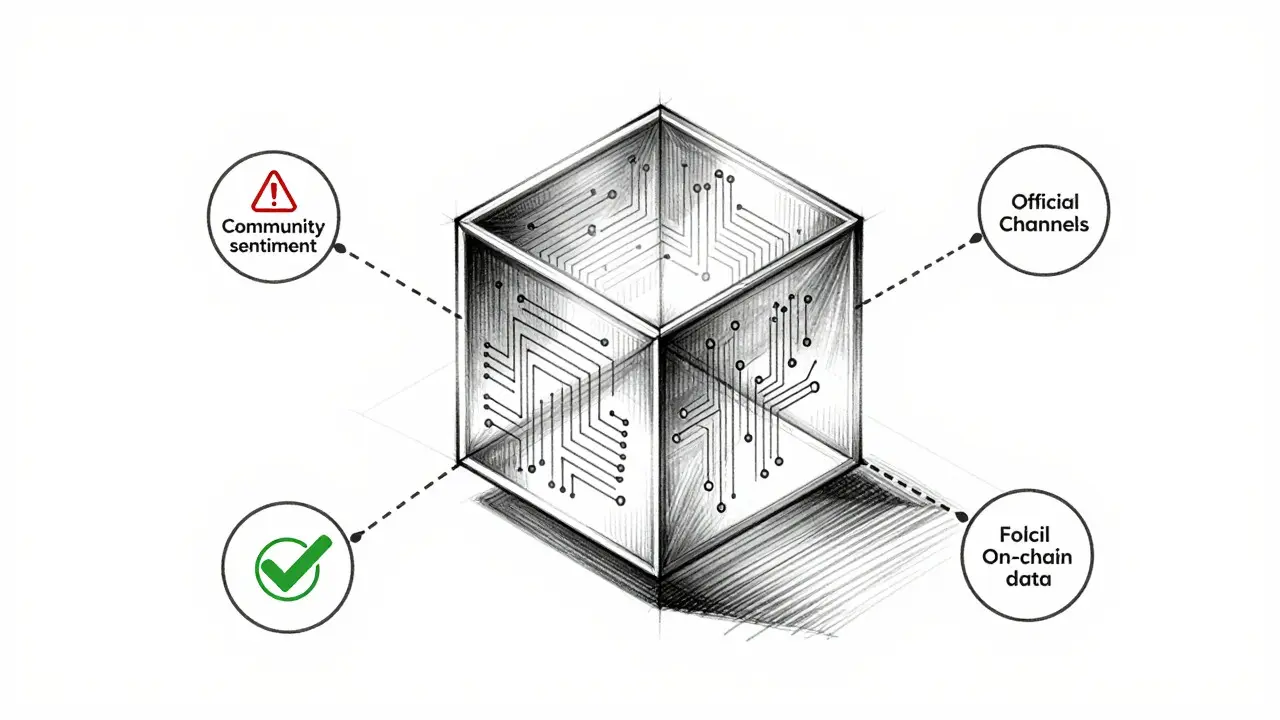
Before you claim any tokens, you need to perform due diligence. The process involves checking three main areas: official channels, contract verification, and community sentiment.
- Check Official Social Media: Look for a verified Twitter (X) account. Check the creation date. If the account was created last week and has zero followers, be skeptical. Legitimate projects build audiences over months.
- Verify the Smart Contract: If the airdrop requires you to connect a wallet, look for the token contract address. Use a block explorer like Etherscan (for Ethereum) or BscScan (for Binance Smart Chain). Check if the contract is verified. An unverified contract means you cannot see the code, so anyone could change the rules mid-game.
- Search for Scam Reports: Type "NFTP scam" or "NFT TOKEN PILOT review" into search engines. Look for complaints on TrustPilot, Reddit's r/CryptoCurrency, or specialized crypto forums. If users report locked funds or rug pulls, avoid the project entirely.
Many scammers use generic names that sound professional. "Pilot," "Token," and "NFT" are buzzwords that trigger FOMO (fear of missing out). By cross-referencing these terms with actual on-chain data, you can separate real opportunities from noise.
Typical Airdrop Mechanics and What to Expect
If NFTP turns out to be a real project, how would its airdrop likely work? Most modern airdrops follow one of two models: holder-based or task-based.
Holder-Based Airdrops: These distributions reward existing holders of a specific NFT or token. For instance, if you own a rare CryptoPunk, you might receive a new token automatically. This method aligns incentives because it rewards long-term believers. The key attribute here is the snapshot date. The project takes a picture of the blockchain at a specific time. If you hold the asset then, you get paid later. You do not need to do anything except wait.
Task-Based Airdrops: These require action. You might need to join a Discord server, follow a Twitter account, retweet a post, or complete a quiz. While common, these are riskier because they often involve signing transactions that grant unlimited access to your wallet. Always check permissions using tools like Revoke.cash before approving any interaction.
For a project named "Pilot," you might expect a testnet phase. Users interact with a pre-launch version of the platform to earn points. These points convert to tokens at launch. This model helps developers test their infrastructure while building hype. If NFT TOKEN PILOT uses this method, look for a documentation page explaining how points are calculated.
Risk Assessment: Red Flags to Watch For
The crypto space moves fast, and misinformation spreads even faster. Here are specific indicators that suggest an airdrop might be fraudulent or low-quality.
- No Website or Broken Links: If the project claims to be live but has no functional website, it is a major red flag. Even early-stage projects have a landing page.
- Urgency Pressure: Messages saying "Claim within 24 hours or lose everything" are classic psychological tactics. Real projects give reasonable deadlines.
- High Gas Fees for Claiming: If claiming free tokens costs more than the potential value of the tokens, it is not worth it. Some scams charge high fees just to drain wallets.
- Anonymous Team with No History: While pseudonymity is common in crypto, total anonymity combined with zero prior work is risky. Check LinkedIn or GitHub for team members if possible.
- Lack of Liquidity Pool Info: After an airdrop, where will you sell the tokens? If there is no plan for a liquidity pool on DEXs like Uniswap or PancakeSwap, the tokens may be worthless.
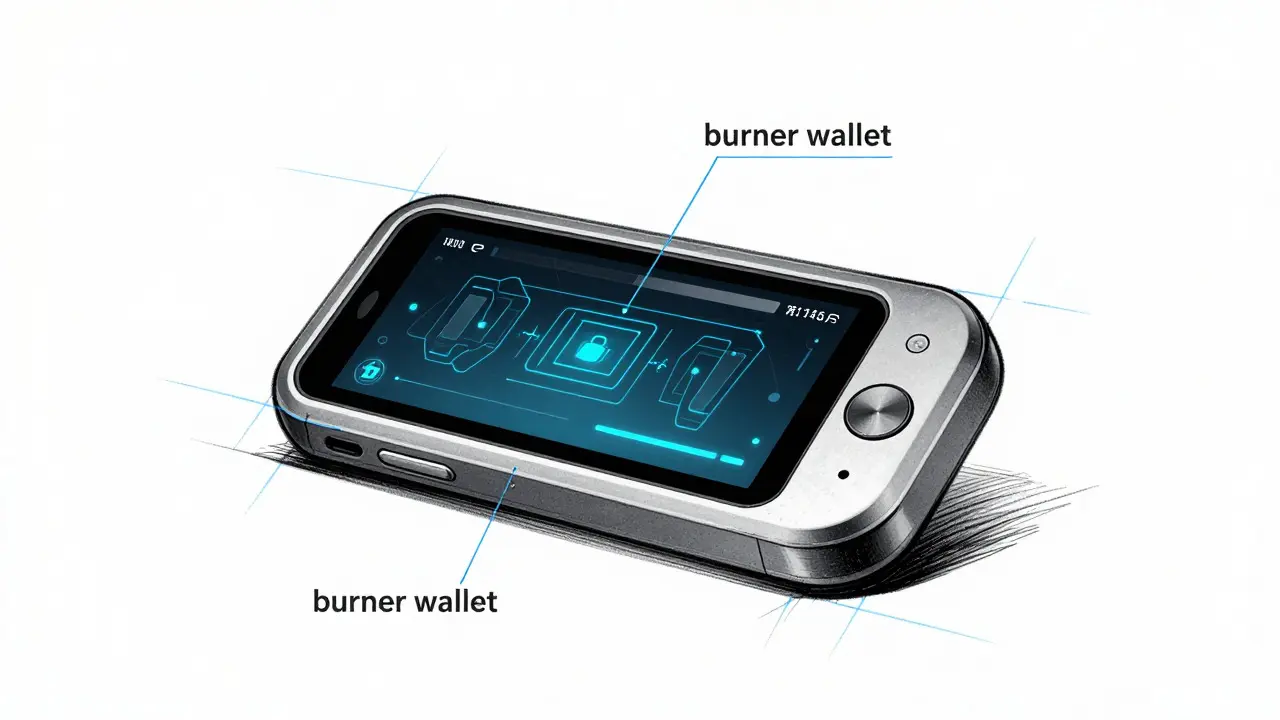
In 2026, with advanced wallet drainers and multi-sig exploits, the technical risks are higher than ever. Always use a burner wallet-a fresh wallet with minimal funds-for interacting with unknown airdrops. Never use your main holding wallet for unverified contracts.

Comparing NFTP to Established NFT Projects
To put the uncertainty around NFTP into perspective, let's compare it to known entities in the NFT space. The table below highlights the difference between a verified historical project and an unverified new entrant.
| Attribute | CryptoKitties (Verified) | Kevin McCoy's Quantum (Verified) | NFTP / NFT TOKEN PILOT (Unverified) |
|---|---|---|---|
| Launch Year | 2017 | 2014 | Unknown / Recent |
| Team Transparency | Public Founders | Known Artist | Anonymous / Not Listed |
| Market Data Availability | Full History on OpenSea | Historical Records | No Major Exchange Listings |
| Community Size | Millions of Holders | Niche Art Community | Unclear / Small |
| Smart Contract Status | Audited & Proven | Legacy Standard | Unverified / Unknown |
This comparison shows why context matters. When you invest time or money into a project, you are relying on its history and transparency. CryptoKitties had years of data proving its longevity. NFTP currently lacks this safety net. Until more data emerges, treat it with caution.
Next Steps for Investors and Collectors
So, what should you do now? If you are curious about NFTP, take these concrete actions:
- Monitor Official Channels: Find the project's official Twitter or Discord. Turn on notifications. Wait for a formal announcement with a whitepaper link.
- Set Up a Burner Wallet: Create a new MetaMask or Phantom wallet. Fund it with only enough ETH or SOL to cover gas fees for a few transactions.
- Track On-Chain Activity: Use tools like Dune Analytics to see if any large wallets are accumulating tokens related to this project. Whales rarely move on scams.
- Wait for Third-Party Verification: Let sites like CoinMarketCap or CoinGecko list the token first. Their research teams vet basic data before adding new assets.
Patience is a virtue in crypto. Missing a small airdrop is better than losing your entire portfolio to a drainer. If NFT TOKEN PILOT is a genuine innovation in the NFT space, it will have the time to prove itself. If it is a flash-in-the-pan scheme, it will disappear quickly. Your job is simply to observe and protect your assets until the facts become clear.
Is NFTP a confirmed airdrop in 2026?
As of August 2026, NFTP is not listed on major cryptocurrency exchanges or tracked by leading data providers like CoinGecko. Therefore, it is considered unverified. Treat any claims about this airdrop with skepticism until official documentation is released.
Who is NFT TOKEN PILOT?
NFT TOKEN PILOT appears to be the name of the organization or project behind the NFTP token. However, unlike established entities such as CryptoKitties or major DAOs, this group has limited public information available regarding its team members, roadmap, or previous projects.
How do I safely claim an unverified airdrop?
Use a dedicated burner wallet that contains only the minimum amount of cryptocurrency needed for gas fees. Avoid connecting your main wallet. Before signing any transaction, check the contract address on a block explorer and review community feedback for potential scams.
What are the signs of a fake NFT airdrop?
Common signs include urgent deadlines, requests for high gas fees, unverified smart contracts, anonymous teams with no history, and lack of presence on reputable crypto news sites. If the opportunity seems too good to be true, it usually is.
Where can I find the NFTP token contract?
Since the project is not widely listed, the contract address may only be available on the project's official social media pages or Discord server. Always verify the source of the link to ensure it comes from the official account and not a copycat.


