Did you miss out on the Lunar (LNR) airdrop? Or are you currently searching for it, hoping to claim some free tokens? If you are looking for this specific campaign hosted on CoinMarketCap, there is a crucial detail you need to know immediately: this event is likely over, and the project behind it has undergone significant changes. The "Lunar (Old)" designation in search results is not just a label; it is a warning sign that the original entity may no longer be active or trustworthy.
In the fast-moving world of cryptocurrency, airdrops come and go with alarming speed. The Lunar (LNR) giveaway was a specific NFT distribution campaign that promised digital collectibles to participants who completed social media tasks. However, relying on outdated information can lead to wasted time or, worse, exposure to phishing scams. This guide breaks down exactly what happened with the Lunar (Old) airdrop, how the mechanics worked, and why you should approach any current claims about this project with extreme caution.
The Anatomy of the Lunar (LNR) NFT Giveaway
To understand why this campaign is now referred to as "Old," we need to look at how it was structured. The Lunar (LNR) project partnered with CoinMarketCap to host an NFT distribution event. Unlike typical token airdrops where thousands of users receive small amounts of currency, this campaign focused on exclusivity. It offered exactly 140 NFTs. That’s it. One hundred and forty unique digital assets were up for grabs.
This scarcity model was designed to create urgency. When you see a limited supply like 140 items, the psychological pressure to act quickly increases. The campaign required participants to engage deeply with the Lunar ecosystem. It wasn’t enough to just click a button. Users had to prove they were real people interested in the community by completing a series of social media tasks. This multi-step process served two purposes: it filtered out bots and built a genuine following for the project.
- Reward Type: Non-Fungible Tokens (NFTs), not fungible tokens.
- Total Supply: Exactly 140 units.
- Distribution Ratio: One-to-one (one winner receives one NFT).
- Platform: Hosted via CoinMarketCap’s airdrop section.
The use of NFTs instead of standard tokens indicates that the Lunar project was aiming for a different kind of utility. NFTs often serve as membership passes, art collectibles, or access keys to exclusive communities. By limiting the quantity to 140, the creators intended for each NFT to hold higher perceived value than a mass-distributed token would.
How Participation Worked: The Step-by-Step Process
If you are researching this for historical context or verifying a past entry, here is exactly what the participation flow looked like. The barrier to entry was relatively low, but it required consistent engagement across multiple platforms. This was typical of DeFi projects launching on the Binance Smart Chain (now known as BNB Chain) during the peak NFT boom of 2021 and 2022.
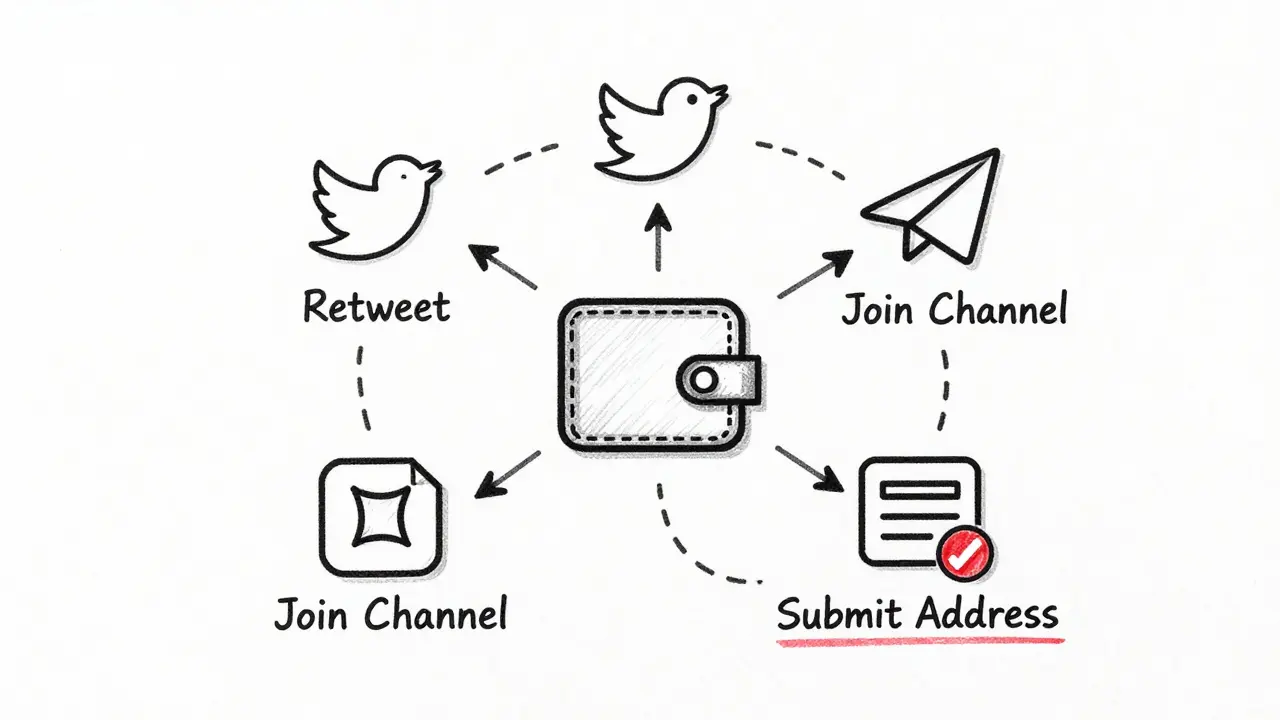
- Social Media Engagement: Participants had to retweet the official Lunar Airdrop announcement tweet. Specifically, users needed to retweet the post from
@lnrdefiand tag three friends. This viral mechanism helped spread awareness rapidly through Twitter networks. - Community Joining: Users were required to join the official Lunar Telegram channel. This ensured that winners could be notified and that the project built a sustained communication hub for updates.
- Wallet Submission: The final step involved filling out an application form on CoinMarketCap. Crucially, this required a valid BNB Chain wallet address. Since the rewards were NFTs on the BSC network, Ethereum wallets alone would not have worked without bridging or multi-chain support.
The responsibility for selecting winners lay entirely with the Lunar team. CoinMarketCap acted only as the hosting platform, providing legitimacy and traffic. They did not manage the distribution mechanics or verify the eligibility of candidates beyond the initial form submission. This distinction is important because it means the trust factor rested solely on the Lunar developers.
Why "Lunar (Old" Matters: The Risk of Outdated Projects
You might notice the term "Lunar (Old)" attached to this project in various databases. This is not a casual nickname. In the cryptocurrency space, when a project is labeled "Old," "Delisted," or "Deprecated," it usually signals that the original team has moved on, rebranded, or abandoned the initiative. There are several reasons why this distinction is critical for your safety.
First, dead projects often become targets for scammers. Fraudsters will set up fake websites or Discord servers claiming to offer a "late entry" or "second chance" airdrop for the Lunar (Old) project. They ask for your private keys or seed phrase under the guise of distributing rewards. Never share your private keys. Legitimate airdrops never require them.
Second, the technology stack may be obsolete. The Lunar project was built for the Binance Smart Chain environment of 2022. Blockchain standards evolve quickly. An NFT minted on an older version of the BSC network might not display correctly in modern wallets, or the smart contract governing it might be vulnerable to exploits if the maintainers are no longer active.
Third, liquidity and utility vanish. Even if you received one of the 140 NFTs, its value depends on the continued operation of the Lunar ecosystem. If the project is "Old," the marketplace for these NFTs likely has zero volume. You cannot sell what no one wants to buy, especially if the underlying community has disbanded.
Comparing Lunar (LNR) to Modern Airdrop Standards
To put the Lunar campaign into perspective, let’s compare it with how reputable airdrops operate today in 2026. The landscape has shifted significantly from the wild west of 2022.
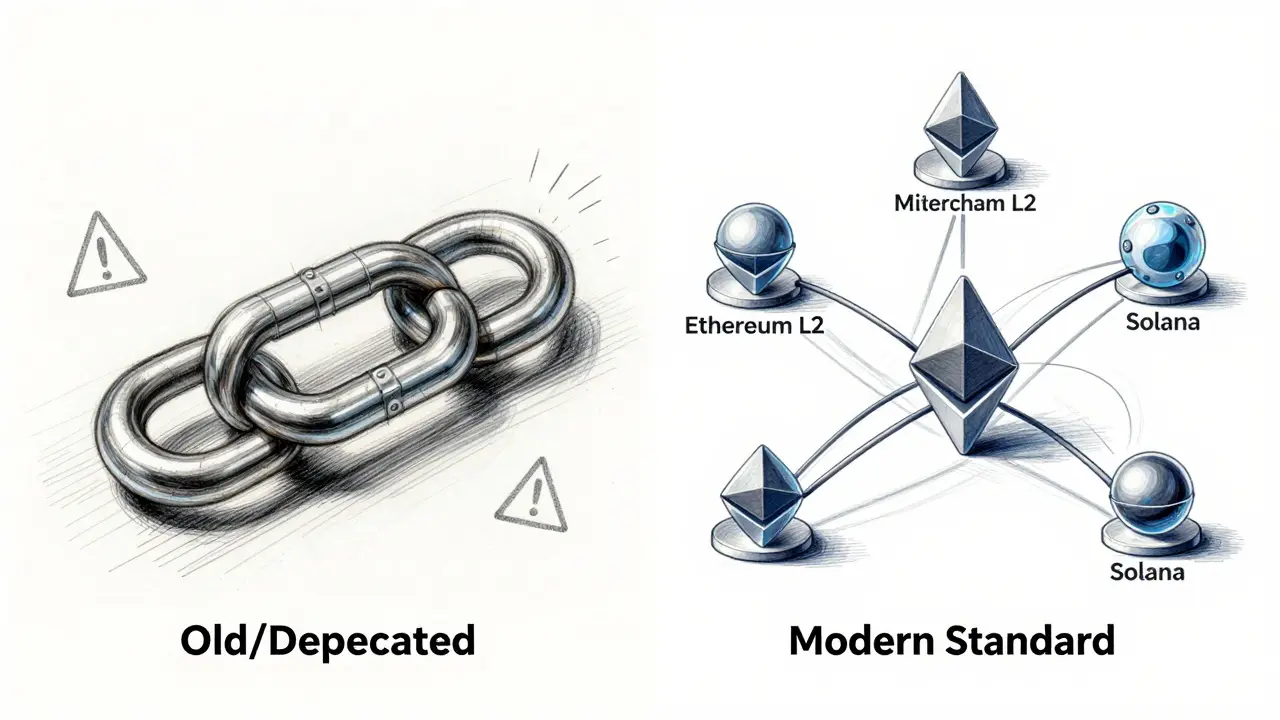
| Feature | Lunar (LNR) Old Campaign | Modern Standard (2025-2026) |
|---|---|---|
| Verification Method | Social media tasks (Retweets, Tags) | On-chain activity verification (Wallet history) |
| Reward Distribution | Manual selection by team | Automated smart contract snapshot |
| Transparency | Low (Team-controlled) | High (Publicly verifiable code) |
| Network Focus | Binance Smart Chain (BSC) | Multi-chain (Ethereum L2s, Solana, Base) |
| Scam Risk | High (Due to age and obscurity) | Moderate (Requires due diligence) |
Notice the shift in verification methods. Today, most serious projects use on-chain data to determine eligibility. They look at your transaction history, not your ability to retweet a post. This reduces bot participation and ensures that rewards go to actual users who interact with the protocol. The Lunar campaign relied heavily on social virality, which is easier to fake and less indicative of genuine user interest.
Furthermore, the manual selection process used by Lunar introduces human error and potential bias. Modern airdrops use immutable smart contracts that distribute tokens automatically based on predefined criteria. This transparency builds trust. With Lunar, you had to trust the team to play fair. With modern protocols, you can verify the fairness yourself.
Safety First: How to Avoid Airdrop Scams
Given that the Lunar (Old) project is likely inactive, you must be vigilant against impersonators. Scammers are sophisticated. They will clone the exact website of the original Lunar project, copy the old tweets, and even mimic the CoinMarketCap listing page. Here is how to protect yourself.
Always check the URL carefully. Phishing sites often use slight variations like lunar-airdrop-official.com or lnr-defi-update.net. Legitimate projects rarely change their domain names once established. If the Lunar team rebranded, they would announce it clearly on their verified social channels, not through random DMs or unsolicited emails.
Use a burner wallet for any new airdrop interactions. Never connect your main wallet, which holds your life savings, to unverified or old dApps. If you decide to explore other active airdrops, use a separate wallet address with minimal funds. This limits your exposure if a smart contract contains malicious code.
Verify announcements through multiple sources. If a project claims to be doing an airdrop, check their official Discord, Telegram, and Twitter. Look for blue checks or verified badges. Cross-reference links with trusted aggregators like CoinMarketCap or CoinGecko. If the link leads to a suspicious site, do not proceed.
What to Do Instead: Finding Active Opportunities
If you are looking for legitimate airdrop opportunities, forget about Lunar (Old). The window for that specific campaign closed years ago. Instead, focus on emerging ecosystems that are currently incentivizing early adopters. Look for projects building on Layer 2 solutions like Arbitrum, Optimism, or Base. These networks often run grant programs and airdrops to attract liquidity and users.
Follow reputable crypto news outlets and on-chain analytics platforms. Tools like DefiLlama or Dune Analytics can help you identify trending protocols before they hit mainstream awareness. Engage with communities that prioritize transparency and open-source development. Avoid projects that promise guaranteed returns or use high-pressure tactics to get you to connect your wallet.
Remember, the best airdrops reward genuine usage. Interact with new protocols, provide liquidity, or participate in governance votes. Build a track record of on-chain activity. This makes you eligible for future snapshots from reputable projects that value long-term contributors over short-term hype seekers.
Is the Lunar (LNR) airdrop still active?
No, the Lunar (LNR) airdrop described here is considered "Old" and is no longer active. The campaign distributed 140 NFTs and concluded in the past. Any current offers claiming to distribute Lunar tokens are likely scams or unrelated projects using similar names.
Why is it called Lunar (Old)?
The "(Old)" tag indicates that the original project entity has either been deprecated, rebranded, or abandoned. Cryptocurrency databases add this label to distinguish between the defunct version and any new projects that may have adopted a similar name later.
Can I still get the 140 NFTs from the Lunar campaign?
No. The distribution was limited to exactly 140 winners and has already been completed. Since the project is inactive, there is no mechanism to claim retroactive rewards. Be wary of anyone selling or offering these NFTs now.
Was the Lunar airdrop safe to participate in?
At the time, it appeared legitimate as it was hosted on CoinMarketCap. However, all airdrops carry inherent risks. Since the project is now "Old," the primary risk is encountering fraudulent copies trying to steal your credentials. Always verify current project status before engaging.
What blockchain did the Lunar NFTs use?
The Lunar NFTs were distributed on the Binance Smart Chain (BSC), now known as the BNB Chain. Participants needed a compatible BSC wallet address to receive the rewards. This differs from Ethereum-based NFTs and requires specific network settings in your wallet.
How do I find legitimate airdrops in 2026?
Focus on active ecosystems like Layer 2 solutions (Arbitrum, Base, Optimism) and new decentralized exchanges. Use tools like DefiLlama to track trending protocols. Always verify links through official social channels and never share your private keys. Prioritize projects with transparent, on-chain verification processes.