
Imagine swapping tokens without paying a single cent in trading fees. It sounds like a dream scenario for anyone tired of centralized exchanges eating into their profits with maker and taker fees. That is exactly what Liquidswap v0.5 is the first decentralized exchange built specifically for the Aptos blockchain, offering zero-fee swaps and non-custodial security. Launched in 2023, it has carved out a unique niche by eliminating the traditional fee structure that dominates the crypto market. But does "free" mean too good to be true? Or is this the future of efficient trading?
In this review, we break down how Liquidswap works, who it is actually for, and whether its limited scope makes sense for your portfolio. We will look at the real numbers behind its traffic, the risks of unregulated platforms, and how it compares to giants like Uniswap.
What Is Liquidswap v0.5?
Liquidswap is not just another copy-paste interface for swapping tokens. It is a specialized tool designed exclusively for the Aptos blockchain, a high-performance Layer 1 network known for its speed and safety features using Move language. When you use Liquidswap, you are interacting directly with smart contracts on Aptos, meaning no middleman holds your money.
The platform defines itself as non-custodial. This means you keep your private keys at all times. You connect your wallet, approve the transaction, and the swap happens on-chain. There is no account creation, no email verification, and no KYC (Know Your Customer) process. If you lose your seed phrase, you lose access forever. There is no customer support team to reset your password.
Currently, Liquidswap supports 22 coins and 30 trading pairs. This might sound small compared to Binance or Coinbase, which list thousands of assets. However, within the Aptos ecosystem, these pairs cover the most essential tokens, including APT (the native token), USDT, and other major stablecoins and utility tokens relevant to the network.
The Zero-Fee Model Explained
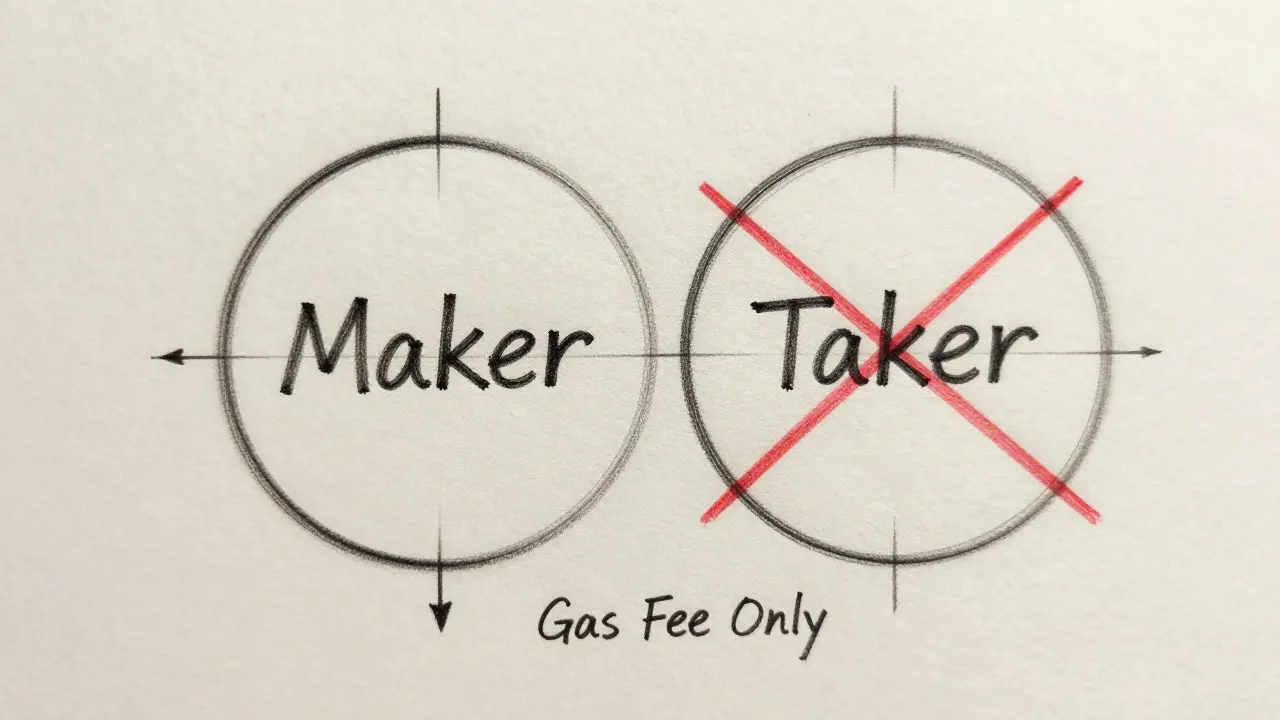
The headline feature of Liquidswap v0.5 is its fee structure: 0.00% for both makers and takers. In the world of centralized exchanges, you typically pay between 0.1% and 0.2% per trade. For high-frequency traders, this adds up quickly. Liquidswap removes this friction entirely.
But where does the revenue come from? Decentralized exchanges usually rely on protocol fees or liquidity provider incentives. While specific internal revenue mechanics can evolve, the current user experience is straightforward: you pay only the standard gas fees required by the Aptos network to execute the transaction. Since Aptos is optimized for low-cost transactions, these gas fees are often negligible compared to Ethereum mainnet costs.
This model appeals to users who want to maximize profit margins on smaller trades. If you are moving $100 worth of tokens, saving 0.1% is minor. But if you are managing larger volumes or executing multiple strategies daily, those savings compound significantly over time.
| Feature | Liquidswap v0.5 | Uniswap (Ethereum) | PancakeSwap (BNB Chain) |
|---|---|---|---|
| Trading Fees | 0.00% | 0.30% | 0.25% |
| Blockchain | Aptos | Ethereum | BNB Smart Chain |
| Supported Pairs | ~30 | Thousands | Thousands |
| Regulatory Oversight | None | None | None |
| Custody | Non-Custodial | Non-Custodial | Non-Custodial |
User Experience and Accessibility
Using Liquidswap requires some basic DeFi knowledge. You cannot simply sign up with an email address. You need a compatible wallet, such as Petra or Martian, which are designed specifically for the Aptos ecosystem. Once connected, the interface is clean and functional, focusing on the core task: swapping tokens.
The platform offers smart routing for cost-efficient swaps. This means the system automatically finds the best path to execute your trade, potentially splitting orders across different liquidity pools to get you the best price. For beginners, this automation helps avoid slippage, but it also means you need to trust the underlying code.
One notable feature is cross-chain swapping capability. Liquidswap allows you to trade Bitcoin, Ethereum, and other assets without wrapping them manually in complex ways. This simplifies the process of diversifying across chains, though the actual bridging mechanism relies on third-party protocols integrated into the backend.
However, the user engagement metrics tell a story of limited adoption. Recent data shows an average visit duration of just 2 minutes and 29 seconds, with a bounce rate of 57%. This suggests that many visitors arrive, check the prices, and leave without trading. It could indicate that users are comparing rates against other platforms or that the limited pair selection discourages immediate action.
Risks and Regulatory Landscape
Like all decentralized exchanges, Liquidswap operates without regulatory oversight. FxVerify notes that it does not appear to be regulated by any government authority. This lack of regulation is a double-edged sword. On one hand, it means no compliance costs, which helps maintain the zero-fee model. On the other hand, there are no consumer protections. If a bug exists in the smart contract, or if a hacker exploits a vulnerability, there is no insurance fund or recourse available to users.
The platform's reliance on the Aptos blockchain introduces additional considerations. While Aptos is marketed as safe and scalable, no blockchain is immune to bugs or attacks. Users must assume full responsibility for their security. This includes verifying contract addresses before interacting and keeping their hardware wallets secure.
Data freshness is another potential issue. Cointelegraph reports that LiquidSwap V0.5 Exchange data is not updated in real-time, with an average update time of 24 hours. For day traders relying on split-second price movements, this delay can be critical. The prices you see might not reflect the exact execution price if the market moves rapidly.

Who Should Use Liquidswap?
Liquidswap is not for everyone. If you are looking for a broad marketplace with thousands of altcoins, 24/7 customer support, and fiat on-ramps, you will likely be disappointed. Instead, it serves a specific audience:
- Aptos Ecosystem Participants: If you hold APT or other Aptos-native tokens, Liquidswap provides the most direct and fee-free way to manage them.
- Fee-Sensitive Traders: Users who make frequent small trades and want to eliminate percentage-based fees will benefit from the 0.00% structure.
- DeFi Enthusiasts: Those comfortable with self-custody, wallet connections, and understanding smart contract risks.
- Liquidity Providers: Users looking to earn passive income by depositing assets into liquidity pools, capturing yield from trading activity.
For casual investors or those new to crypto, the learning curve might be steep. Connecting a wallet, approving transactions, and managing gas fees require a level of technical literacy that centralized exchanges abstract away.
Final Verdict
Liquidswap v0.5 stands out as a pioneering force in the Aptos ecosystem. Its zero-fee model is a powerful differentiator in a market saturated with costly exchanges. By removing trading fees, it lowers the barrier to entry for active traders and maximizes returns for liquidity providers. However, its limited scope-only 30 trading pairs-and lower traffic metrics indicate it is still a niche player.
The lack of regulatory oversight and real-time data updates are significant caveats. Users must weigh the benefits of free trading against the risks of operating in an unregulated environment with potential data delays. If you are deeply invested in the Aptos blockchain and value cost efficiency above all else, Liquidswap is a compelling option. For broader market access, established DEXs like Uniswap or PancakeSwap remain more robust choices.
Is Liquidswap v0.5 safe to use?
Safety depends on your definition. As a non-custodial DEX, your funds are safe from exchange hacks because you hold your own keys. However, smart contract risks always exist. Since Liquidswap is unregulated, there is no insurance if a bug occurs. Always verify contract addresses and start with small amounts.
Why are there no trading fees on Liquidswap?
Liquidswap charges 0.00% in trading fees to attract users to the Aptos ecosystem. Revenue may come from other sources like liquidity provider incentives or protocol-level partnerships. Users still pay minimal Aptos network gas fees for transactions.
What wallet do I need for Liquidswap?
You need an Aptos-compatible wallet. Popular options include Petra and Martian. These wallets allow you to connect to the Aptos blockchain and interact with Liquidswap's smart contracts securely.
How many trading pairs does Liquidswap support?
As of 2026, Liquidswap supports approximately 30 trading pairs involving 22 coins. This includes major tokens like APT, USDT, and other Aptos-native assets, but it is much smaller than global DEXs like Uniswap.
Is Liquidswap regulated?
No, Liquidswap is not regulated by any government authority. Like most decentralized exchanges, it operates autonomously via smart contracts. This offers freedom from compliance but lacks consumer protection mechanisms found in regulated entities.