Imagine you just bought a new token because the hype was real. The chart looks promising, the community is buzzing, and you’re ready for gains. Then, overnight, the price crashes to zero. The developers have vanished, taking all the money with them. This isn’t bad luck; it’s a rug pull. In the world of decentralized finance (DeFi), this nightmare scenario happens more often than you might think. But there is a powerful tool designed specifically to stop it: the liquidity lock.
A liquidity lock is not magic, but it is one of the most effective safety nets in crypto today. It essentially ties the hands of project creators so they cannot run away with your funds. If you are investing in tokens, understanding how these locks work-and how to verify them-is the difference between building wealth and losing everything. Let’s break down exactly what liquidity locking is, why it matters, and how you can protect yourself from scams.
What Is a Liquidity Lock?
To understand liquidity locks, we first need to talk about liquidity pools. When a new token launches on a decentralized exchange like Uniswap or PancakeSwap, the developer doesn't just list the token. They pair their new token with an established asset, like Ethereum (ETH) or Binance Coin (BNB). This pairing creates a pool that allows people to trade the token freely.
In return for providing these assets, the developer receives something called LP tokens (Liquidity Provider tokens). Think of LP tokens as a receipt proving ownership of that entire pool. If the developer holds those LP tokens, they can go back to the exchange at any time, withdraw all the ETH or BNB, and leave the new token worthless. That is the classic rug pull mechanism.
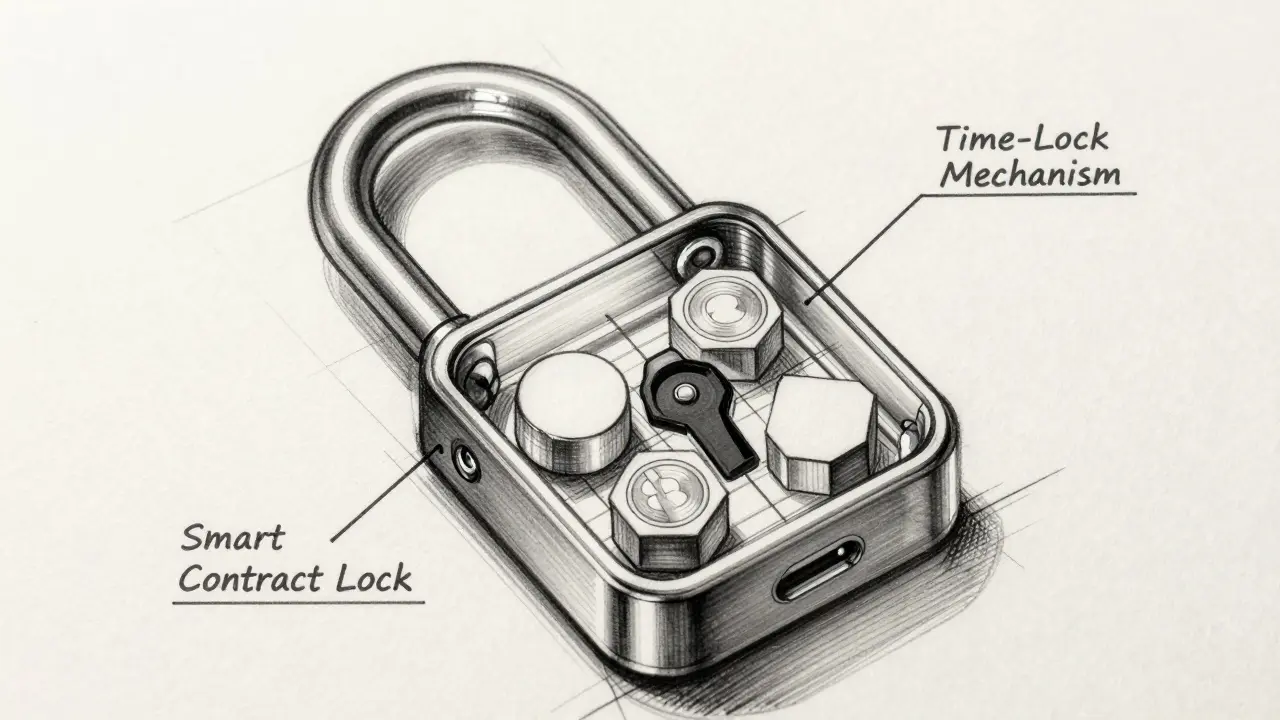
A liquidity lock changes this dynamic. Instead of keeping the LP tokens in their personal wallet, the developer sends them to a specialized smart contract-a digital vault that cannot be opened until a specific date or condition is met. Once locked, neither the developer nor anyone else can touch those funds. This ensures that liquidity remains available for traders, stabilizing the price and preventing sudden exits.
The Rise of Rug Pulls and Why Locks Became Essential
The concept of liquidity locking didn't appear out of nowhere. It evolved as a direct response to the wild west era of early DeFi. Around 2020 and 2021, as protocols multiplied, so did scams. According to data from Chainalysis, there were over 1,300 documented rug pull incidents in 2021 alone, defrauding investors of approximately $2.8 billion.
These incidents shook confidence in the space. Investors realized that trusting a team's word wasn't enough; they needed cryptographic proof of good intent. By late 2021, locking liquidity became a standard practice rather than an optional feature. Today, major platforms take this seriously. For instance, PancakeSwap updated its listing rules in January 2023 to mandate that new tokens must have at least 51% of their liquidity locked for a minimum of 12 months. Without this lock, you simply don't get listed.
How Liquidity Locking Works Technically
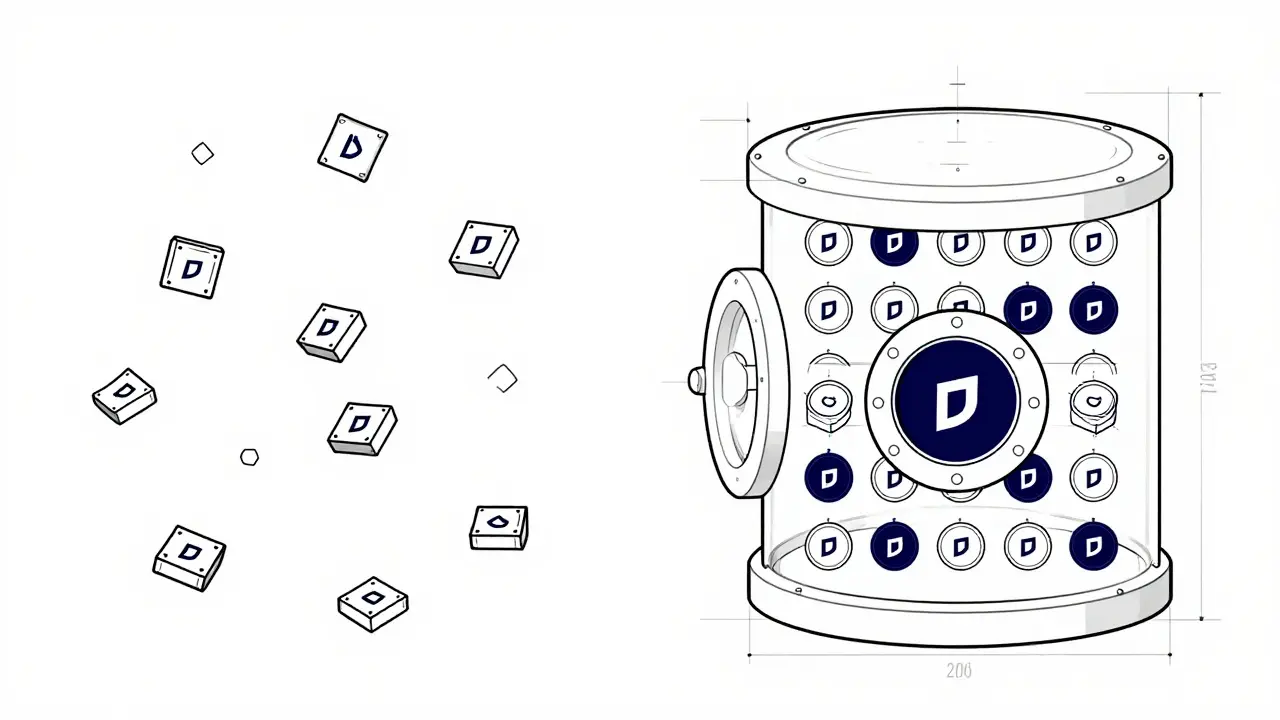
You might wonder how a computer program can physically prevent someone from moving money. It comes down to immutable smart contracts. When a developer uses a service like Team Finance or UNCX Network, they aren't just filling out a form. They are interacting with code that has no 'withdraw' function enabled for a set period.
Here is the typical process:
- Add Liquidity: The developer deposits tokens and ETH/BNB into a DEX pool.
- Receive LP Tokens: The DEX issues LP tokens representing ownership of that pool.
- Lock LP Tokens: The developer transfers these LP tokens to a locking smart contract.
- Set Terms: They define the unlock date (e.g., 1 year from now).
- Verification: The transaction is recorded on the blockchain, visible to everyone.
Once step four is complete, the code literally refuses any attempt to move the tokens until the timestamp passes. Even if the developer still owns the private keys to the original wallet, they cannot bypass the lock contract. This transparency is key-anyone can click the verification link and see exactly when the funds will be released.
Top Liquidity Lock Providers
Not all locking services are created equal. While the underlying technology is similar, the user experience, fees, and supported blockchains vary. Here are the industry leaders you should know:
| Provider | Founded | Supported Chains | Service Fee | Key Feature |
|---|---|---|---|---|
| Team Finance | 2021 | 15+ (Ethereum, BSC, Polygon, Kaia) | 1-2% | Widest chain support and intuitive dashboard |
| UNCX Network | 2021 | 9+ | 0.5% | Lower fees and strong focus on security audits |
| SolidProof | 2020 | Ethereum-focused | Variable | Integrated with comprehensive smart contract auditing |
Team Finance currently leads in market share, serving over 15,000 projects. Its strength lies in multi-chain compatibility, allowing developers to lock liquidity across various networks easily. On the other hand, UNCX Network appeals to budget-conscious teams with lower fees, though it supports fewer chains. Always check which provider a project uses, as reputable providers add another layer of trust.
Critical Limitations: What Liquidity Locks Don't Do
This is where many investors get hurt. A liquidity lock is necessary, but it is not sufficient. You must understand what it protects against-and what it ignores.
A liquidity lock only secures the LP tokens in the trading pool. It does not lock the developer's personal supply of tokens. If a developer keeps 20% of the total token supply in their own wallet, they can still dump those tokens onto the market, crashing the price even if the liquidity pool itself remains intact. This was seen in the July 2023 DegenSpartan incident, where developers maintained locked liquidity but executed a "soft rug pull" by minting and selling massive amounts of new tokens.
Furthermore, fake proofs are common. Scammers sometimes create screenshots that look like official verification badges from Team Finance or UNCX but are entirely fabricated. In mid-2023, RugDoc.io identified over 2,100 instances of fake lock badges, representing nearly 18% of new token launches in that quarter. Never trust a screenshot. Always click the link to verify the transaction directly on the blockchain explorer.
How to Verify a Liquidity Lock Yourself
You don't need to be a coder to check if a lock is real. Follow these steps before buying any new token:
- Find the Verification Link: Legitimate projects will display a link to their lock status on their website or social media channels.
- Check the Blockchain Explorer: Click the link. It should take you to Etherscan (for Ethereum) or BscScan (for Binance Smart Chain). Look for the specific transaction hash.
- Confirm the Amount: Ensure the percentage of liquidity locked matches what they claim. 100% is ideal, but anything above 51% is generally considered safe for short-term trading.
- Verify the Duration: Check the unlock date. A lock of 30 days offers little protection against long-term scams. Look for locks of 6 months to 1 year or more.
- Look for Ownership Renouncement: While not always possible, check if the contract ownership has been renounced. This means even the developer can't change the code later. Only about 37% of projects do this, according to SolidProof data.
If a project asks you to trust them without providing a verifiable link, walk away. As Dr. Garrick Hileman from Blockchain.com noted, projects without locked liquidity should be considered high-risk investments until proven otherwise.
Costs and Fees Associated with Locking
Implementing a liquidity lock isn't free, but the costs are manageable for serious projects. There are two main costs: gas fees and service fees.
Gas fees depend on the network congestion. On Ethereum, locking liquidity might cost between 0.01 and 0.05 ETH ($25-$125 depending on prices). On Binance Smart Chain (BSC), it’s significantly cheaper, ranging from 0.05 to 0.2 BNB ($12-$50). Service fees charged by providers like Team Finance typically range from 1% to 2% of the locked value. UNCX charges a flat 0.5%. These fees ensure that the locking service is sustainable and discourages frivolous use.
The Future of Liquidity Security
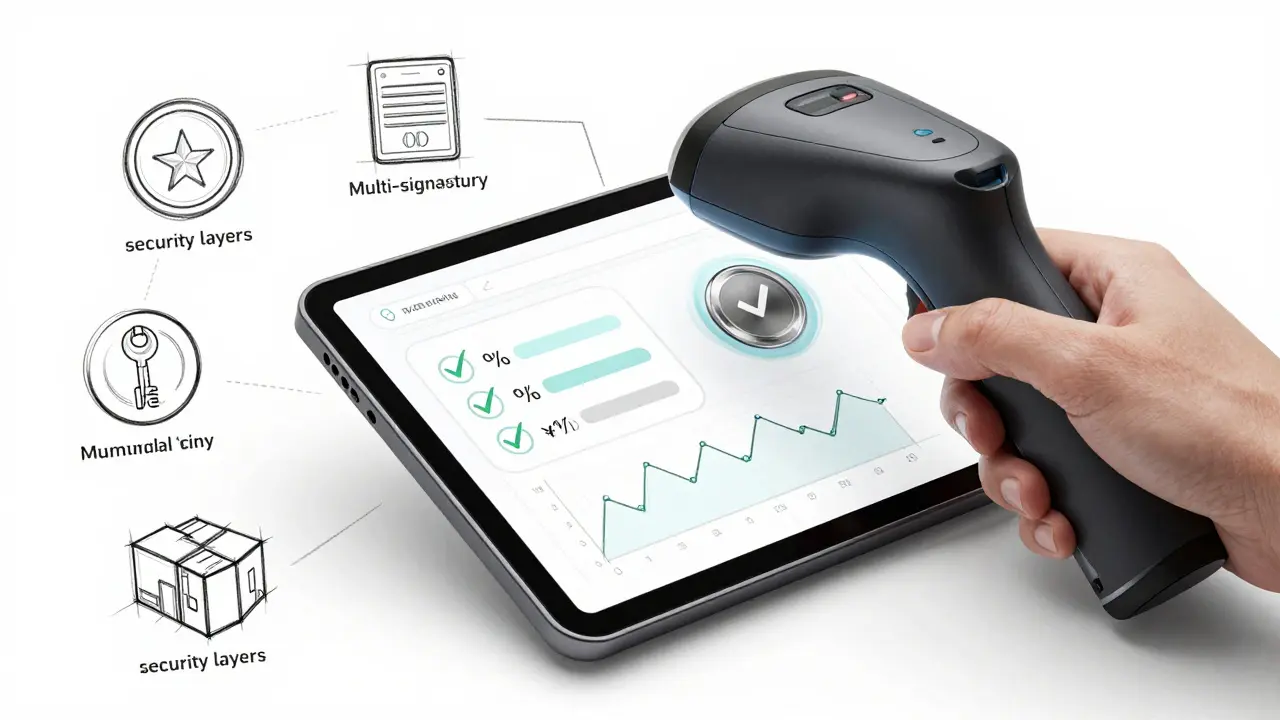
The landscape is evolving rapidly. We are moving beyond simple time-based locks. New developments include multi-signature locks, where releasing liquidity requires approval from multiple independent parties or community votes. Additionally, dynamic locking mechanisms are being proposed, such as EIP-7281, which would adjust lock periods based on project milestones or performance metrics.
Regulatory bodies are also paying attention. SEC Commissioner Hester Peirce warned in 2023 that unaudited liquidity locks marketed as investment guarantees could violate securities laws. This suggests that future standards will likely require third-party audits alongside liquidity locks to provide true investor protection.
By 2025, analysts project that 95% of legitimate token launches will implement verifiable liquidity locks for at least 12 months. The market for these verification services is expected to grow from $47 million in 2022 to $310 million by 2026. This growth reflects a maturing industry where security is no longer optional-it's the baseline.
Can a developer still rug pull if liquidity is locked?
Yes, technically. A liquidity lock only prevents the withdrawal of funds from the liquidity pool. It does not stop a developer from selling their personal token holdings, minting new tokens, or manipulating the price through other means. Always check for contract ownership renouncement and audit reports in addition to liquidity locks.
How do I know if a liquidity lock verification is fake?
Never rely on screenshots. Scammers often forge verification badges. Always click the provided link to view the transaction directly on a blockchain explorer like Etherscan or BscScan. Verify that the transaction address matches the official locking contract of the provider (e.g., Team Finance or UNCX) and check the actual lock duration and amount on-chain.
What is the best duration for a liquidity lock?
For maximum security, a lock duration of 12 months or more is recommended. Shorter locks (under 6 months) may indicate a lack of long-term commitment from the development team. Many exchanges now require a minimum of 12 months for new listings to ensure stability.
Why is liquidity locking important for DeFi projects?
Liquidity locking builds investor trust by preventing sudden withdrawals that crash token prices. It reduces volatility and protects users from rug pulls. Projects with locked liquidity experience significantly lower price volatility in their first month compared to those without locks, making them safer for early adopters.
Are liquidity locks legally binding?
Liquidity locks are enforced by smart contracts on the blockchain, not by traditional legal systems. However, regulatory bodies like the SEC are beginning to scrutinize how these locks are marketed. Misrepresenting a lock as a guarantee of returns could lead to securities law violations, so transparency is crucial.