
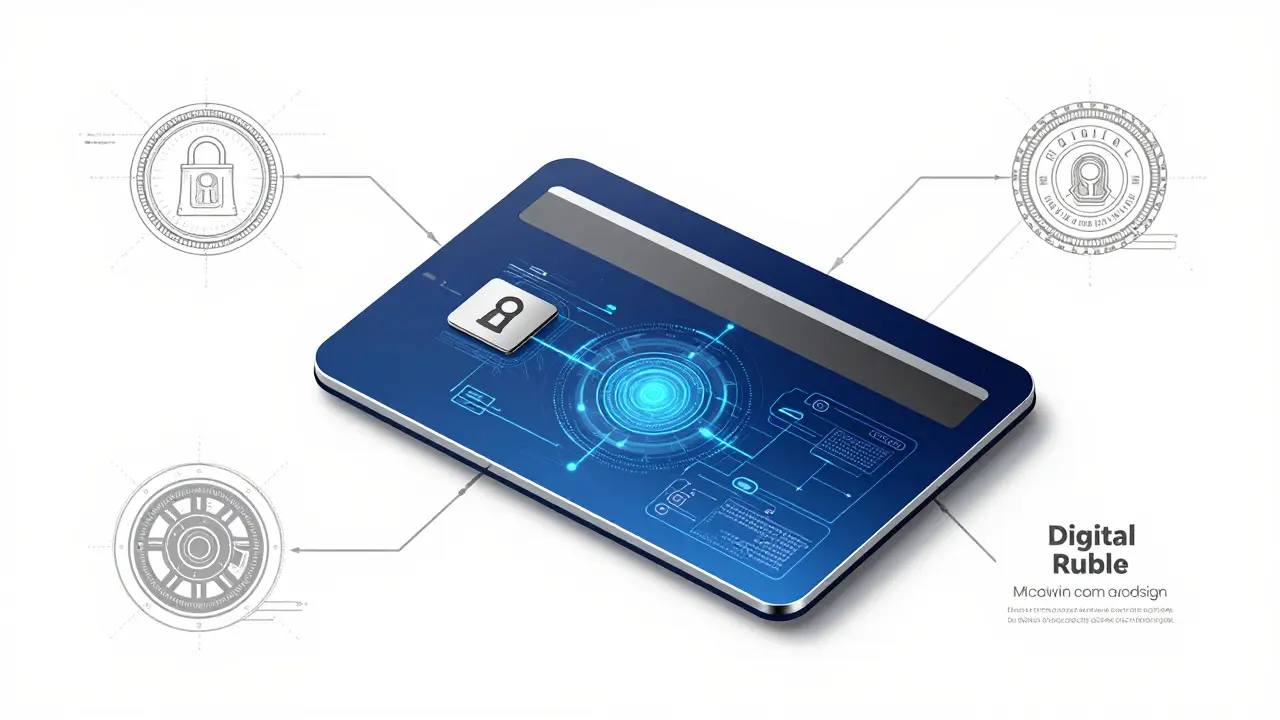
You can own Bitcoin in Russia. You just can’t use it to buy bread.
That’s the stark reality for most people living in the country as we move through mid-2026. The legal landscape isn’t a simple "yes" or "no." It is a tightly controlled maze designed to let the government and wealthy elites use crypto for international trade while keeping ordinary citizens away from decentralized assets. If you are trying to navigate this system, understanding who qualifies for access-and who doesn’t-is the difference between legal compliance and running afoul of financial regulations.
Is cryptocurrency illegal in Russia?
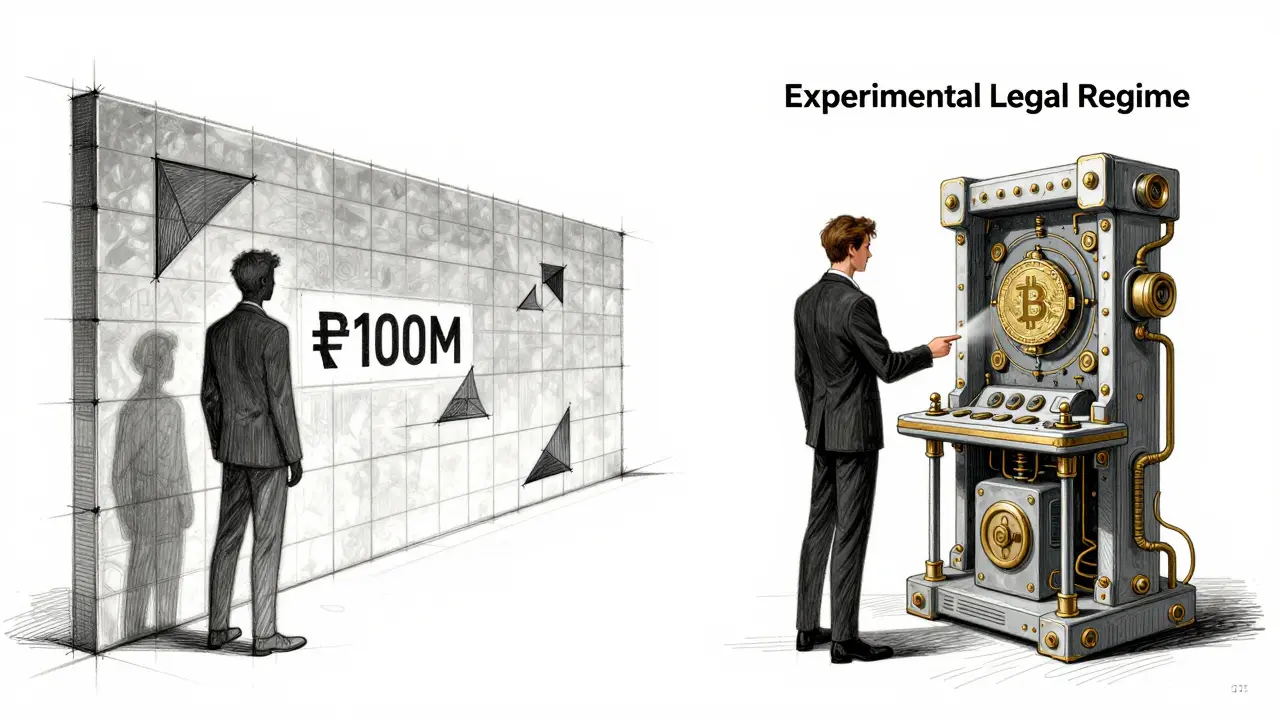
No, owning cryptocurrency is not illegal. However, using it for domestic payments (buying goods or services within Russia) is strictly prohibited. Only "especially qualified" investors can legally trade cryptocurrencies under the experimental legal regime.
The Two-Tier System: Who Can Actually Trade?
Russia has created a strict two-tier system for digital assets. On one side, you have the general public. On the other, you have a small group of ultra-wealthy individuals and corporations. This divide exists because the state wants to harness the utility of blockchain for bypassing sanctions without letting private currencies challenge the Russian ruble.
To participate in the legal crypto market, you must meet the criteria for an "especially qualified" investor. These aren't vague guidelines; they are hard financial thresholds set by the Bank of Russia. To qualify as an individual, you need:
- Total investments in securities and deposits exceeding ₽100 million.
- An annual income exceeding ₽50 million.
If you are a company, you must already meet existing qualified investor standards under Russian law. For everyone else-the vast majority of the population-direct trading of cryptocurrencies like Bitcoin or Ethereum on exchanges is effectively off-limits. You can hold them if you bought them previously, but you cannot actively trade them through regulated financial channels.
This structure creates a significant barrier to entry. While the global crypto market thrives on accessibility, Russia’s model restricts it to the top fraction of percent of wealth holders. The rationale? Risk management. The Central Bank argues that only those with substantial capital can absorb the extreme volatility inherent in decentralized assets.
The Experimental Legal Regime and International Trade
Why does Russia allow crypto at all? The answer lies in geopolitics. Since the invasion of Ukraine and the subsequent imposition of Western financial sanctions, Russia has needed alternative ways to conduct international trade. The experimental legal regime, which runs for three years, was designed specifically for this purpose.
In 2025, crypto-facilitated international trade in Russia hit a staggering 1 trillion rubles. This volume wasn’t driven by retail traders buying meme coins. It was driven by large enterprises using cryptocurrencies to settle transactions with foreign partners who might otherwise be cut off from traditional banking systems like SWIFT.
Under this regime, specific financial firms are authorized to offer cryptocurrency derivatives. These aren’t spot trades where you take possession of the coin. Instead, they are financial instruments linked to the price of crypto. This allows companies to hedge against currency fluctuations or facilitate cross-border payments without necessarily moving the actual digital tokens across borders in a way that evades tracking entirely.
The Central Bank of Russia (CBR) agreed to permit Bitcoin and similar assets for these international settlements exclusively within this framework. It is a loophole carved out of necessity, tightly monitored to ensure it serves the state’s economic interests rather than individual speculation.
The Rise of the Digital Ruble
If you think the government is worried about Bitcoin replacing the ruble, look no further than the Digital Ruble. Unlike Bitcoin, which is decentralized and anonymous, the digital ruble is a Central Bank Digital Currency (CBDC). It is issued directly by the CBR, fully backed by the state, and programmable.
The timeline for its rollout is aggressive. Following legislation signed by President Putin in July 2025, the public implementation of the digital ruble is scheduled to commence in September 2026. This means that within months, Russians will have a state-sanctioned digital currency available for everyday transactions.
The CBR views private cryptocurrencies as "money surrogates" that threaten monetary sovereignty. By launching its own CBDC, the bank aims to modernize payment infrastructure while maintaining total control over money supply and transaction data. The digital ruble will likely be integrated into existing banking apps, offering instant settlement and lower fees compared to traditional transfers.
For users, this creates a clear hierarchy:
- Digital Ruble: Legal tender, safe, state-backed, for daily use.
- Fiat Ruble: Traditional cash and bank balances, still dominant.
- Cryptocurrencies: Restricted investment assets for the wealthy, banned for payments.
The existence of the digital ruble reinforces why private crypto remains restricted. Why would the state allow a competing, unregulated currency when it offers its own superior, controlled alternative?
Mining: The One Open Door
There is one area where the average Russian citizen can legally engage with the crypto ecosystem: mining. Under legislation dating back to 2014, cryptocurrency mining is classified similarly to industrial production rather than financial speculation. This means anyone can set up mining rigs and sell the resulting coins for fiat currency.
However, even mining is becoming more regulated. Electricity costs are rising, and the government is keen to prevent energy theft or strain on the grid. Miners must register their activities and pay taxes on their earnings. While it provides a legal avenue to acquire crypto, it requires significant upfront capital for hardware and ongoing operational costs, making it less accessible than simply buying tokens on an exchange.
Underground Markets and Regulatory Risks
Despite the restrictions, demand for crypto among ordinary Russians remains high. A 2025 report by the Russian Association of Cryptoeconomics, Artificial Intelligence, and Blockchain noted a 15% annual growth in crypto users since 2021. The total value of cryptocurrencies held by Russians is estimated to exceed $40 billion.
How is this possible if trading is restricted? Much of this activity happens in gray areas. Users may use offshore exchanges, peer-to-peer (P2P) platforms, or decentralized wallets that don’t require KYC (Know Your Customer) verification. While owning these assets isn’t illegal, using them for domestic payments is.
The risk here is significant. Recent legislative amendments targeting financial fraud have inadvertently swept up many crypto-related activities. If you are caught using crypto to pay for a car or rent an apartment, you could face fines or legal liability. The authorities are cracking down on any attempt to use crypto as a substitute for the ruble in daily commerce.
Furthermore, the lack of consumer protection means that if you lose your keys, get hacked, or fall victim to a scam, there is no recourse. The Central Bank repeatedly warns that private cryptocurrencies are not guaranteed by any jurisdiction and carry the risk of total loss.

Future Outlook: Liberalization or Tightening?
The regulatory environment is still evolving. There is a tug-of-war within the government. The Central Bank remains skeptical, emphasizing risks and stability. In contrast, the Russian Treasury and figures like Deputy Head Ivan Chebeskov advocate for a more liberal approach, arguing that a comprehensive national digital asset strategy could boost economic development.
In September 2025, the Treasury recommended easing the requirements for qualified investor status. This suggests that the current thresholds (₽100 million in assets) might be lowered in the future, allowing more affluent-but not ultra-wealthy-individuals to enter the market. Additionally, discussions are underway regarding regulations for stablecoins, which could provide a bridge between fiat and crypto markets.
However, do not expect a free-for-all. The core principle remains: the ruble (digital or physical) is king domestically. Crypto will likely remain a tool for international finance and high-net-worth investment, not a medium for everyday exchange.
| Asset Type | Legal Status | Use Case | Accessibility |
|---|---|---|---|
| Digital Ruble | Legal Tender | Daily payments, savings | All residents (launching Sept 2026) |
| Bitcoin/Ethereum | Property/Investment Asset | International trade, investment | Only "especially qualified" investors |
| Stablecoins | Regulated (Pending) | Settlements, hedging | Limited, subject to new rules |
| Crypto Mining | Legal Industrial Activity | Production of crypto assets | Open to all (with registration) |
Practical Advice for Navigating the Landscape
If you are in Russia and interested in crypto, here is how to stay compliant:
- Do not use crypto for local payments. Never try to pay for groceries, utilities, or services with Bitcoin. Stick to the ruble or the upcoming digital ruble.
- Check your investor status. If you do not meet the ₽100 million asset threshold, avoid regulated trading platforms. Using offshore exchanges carries higher security risks and potential legal ambiguity.
- Consider mining cautiously. If you have the technical expertise and capital, mining is a legal option. Ensure you register your activity and account for electricity costs and taxes.
- Watch for stablecoin regulations. As the government finalizes rules for fiat-pegged tokens, these may become a safer, more accessible option for hedging against inflation without the volatility of Bitcoin.
The Russian crypto market is not dead, but it is heavily gated. It serves the state’s needs for international liquidity while protecting its domestic monetary policy. For the average person, patience and caution are your best strategies until the regulatory framework broadens.
When will the digital ruble launch?
The public implementation of the digital ruble is scheduled to begin in September 2026, following legislation approved in 2025.
Can I buy Bitcoin on Russian exchanges?
Only if you are an "especially qualified" investor with over ₽100 million in assets. Otherwise, direct trading on regulated domestic exchanges is prohibited.
Is crypto mining legal in Russia?
Yes, mining is legal and treated as an industrial activity. However, miners must register and pay taxes on their earnings.
Why does Russia restrict crypto payments?
To protect the Russian ruble's status as the sole legal tender and maintain monetary sovereignty. The government fears private currencies could undermine its control over the economy.
What is the experimental legal regime?
A three-year framework allowing qualified investors and companies to use cryptocurrencies for international trade and derivatives trading, helping bypass sanctions while maintaining domestic restrictions.