
Imagine losing $1.5 billion in a single afternoon. For most people, that number is abstract. For Bybit, a major cryptocurrency exchange platform, it was a reality on February 21, 2025. The thief wasn't a lone hacker in a hoodie; it was Lazarus Group, North Korea's elite state-sponsored cybercriminal unit operating under the Reconnaissance General Bureau (RGB). This event wasn't just a glitch; it was the largest digital asset heist in history, signaling a terrifying new era where nation-states treat crypto exchanges like ATMs.
If you hold Bitcoin or Ethereum, you might think your funds are safe behind cold storage and multi-signature wallets. Lazarus Group has proven otherwise. They don't just break locks; they convince the owners to hand over the keys. Understanding their tactics isn't just for security experts-it's essential for anyone holding digital assets. Let’s look at how they pull off these impossible heists and what it means for the future of crypto security.
The Anatomy of the Bybit Heist
The February 2025 attack on Bybit set a new benchmark for sophistication. It wasn't a brute-force hack. It was a surgical strike involving four distinct phases that exploited human psychology and software vulnerabilities simultaneously.
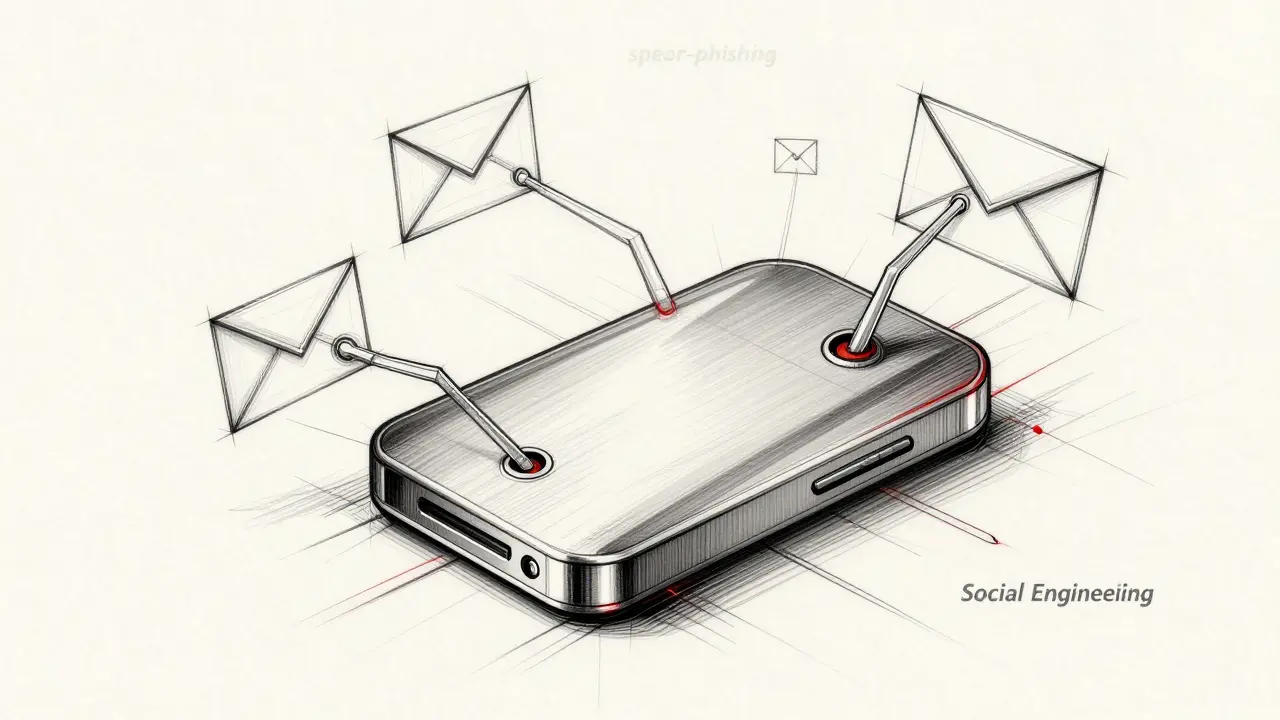
First, the team launched spear-phishing campaigns targeting key personnel at Bybit. They didn't send spammy emails; they crafted highly personalized messages designed to trick employees into granting access to user interfaces and cold wallet signers. Once inside, the real work began.
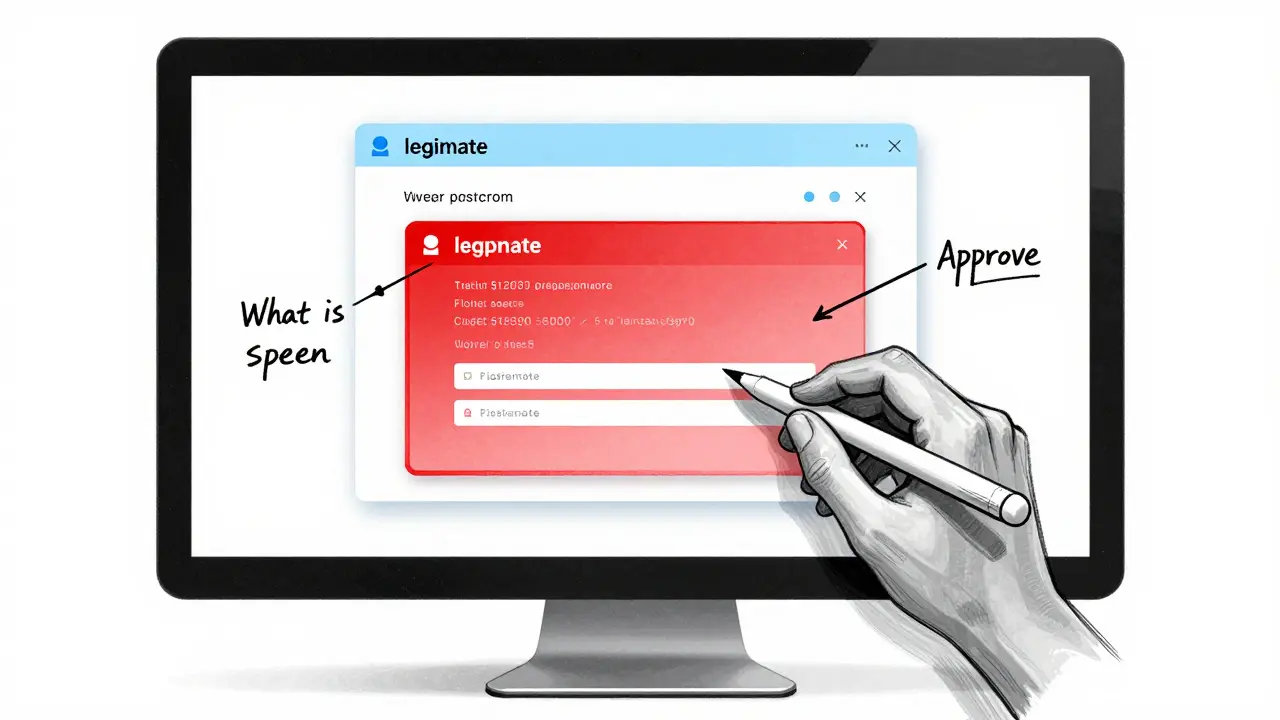
The critical moment came when Bybit CEO Ben Zhou attempted to authorize a routine transaction. The hackers had already compromised the Safe Wallet frontend software-the interface users see on their screens. They intercepted Zhou’s request, embedded malicious code, and altered the transaction details to look legitimate. When Zhou clicked "approve," he thought he was moving funds to a secure location. In reality, he was signing a transfer of approximately 401,000 Ethereum coins-worth roughly $1.46 billion-to a wallet controlled by Lazarus Group.
This technique, known as UI manipulation, bypasses traditional security checks because the cryptographic signature is valid. The system sees an authorized command from an authorized person. The problem? The command itself was forged before it ever reached the blockchain. This highlights a blind spot in modern security: we trust the screen, but the screen can lie.
A Relentless Campaign: Beyond Bybit
The Bybit heist wasn't an isolated incident. Between June and September 2025 alone, Lazarus Group executed at least five confirmed major attacks. Their operational tempo is staggering, driven by the urgent need to fund North Korea's nuclear weapons program amidst tightening international sanctions.
| Date/Period | Target | Amount Stolen | Methodology Highlight |
|---|---|---|---|
| Feb 21, 2025 | Bybit | $1.5 Billion | Frontend manipulation & CEO social engineering |
| Mid-2025 | Atomic Wallet | $100 Million | Supply chain compromise via trading apps |
| Mid-2025 | CoinsPaid | $37.3 Million | Spear phishing & credential harvesting |
| Mid-2025 | Alphapo | $60 Million | Exploitation of hot wallet vulnerabilities |
| Mid-2025 | Stake.com | $41 Million | Cross-contamination with other heist funds |
| Sep 12, 2025 | CoinEx | $54 Million | Advanced persistent threat infiltration |
Notice the pattern? They hit different types of platforms-exchanges, wallets, gambling sites. This diversification minimizes risk. If one method gets patched, they have others ready. Blockchain analysis firm Elliptic confirmed that Lazarus doesn't just steal; they consolidate. Funds from Stake.com were mixed with assets from Atomic Wallet. CoinEx proceeds were sent to addresses previously used to launder Stake.com funds. This cross-contamination strategy makes tracking nearly impossible for law enforcement.
Tactics That Bypass Traditional Security
Lazarus Group’s success lies in its evolution. They’ve moved beyond simple email phishing to sophisticated supply chain attacks and advanced social engineering. One subgroup, known as TraderTraitor, targets cloud platforms and software updates.
Here’s how it works: They distribute seemingly legitimate cryptocurrency trading applications. These apps function normally at first, building trust with the user. However, they contain hidden "update" mechanisms that connect to command-and-control servers. Later, they deliver AES-256 encrypted payloads, including the MANUSCRYPT remote access trojan. This malware harvests system information, executes arbitrary commands, and specifically targets private keys and credentials stored in memory.
Social engineering remains their strongest weapon. Hackers pose as recruiters on LinkedIn, targeting security researchers and high-level executives. They build rapport over weeks or months before executing the final phishing attack. This approach bypasses technical firewalls because it exploits human trust. As cybersecurity awareness improves, so does the sophistication of the deception.
Money Laundering: From Ethereum to Bitcoin
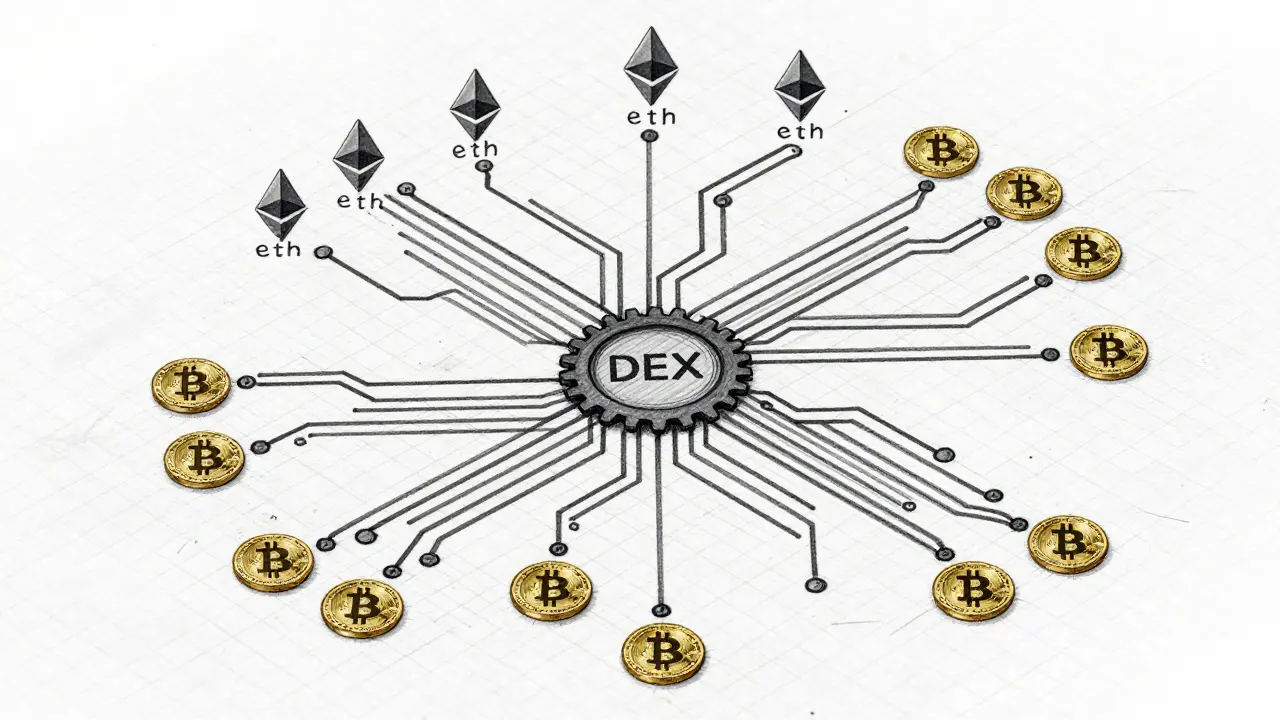
Stealing the crypto is only half the battle. Converting it to spendable cash without triggering alarms is the other. Lazarus Group uses decentralized exchanges (DEXs) to convert stolen Ethereum into Bitcoin and Dai. Why Bitcoin? Because its liquidity and anonymity features make it easier to move across borders.
They employ complex mixing techniques, breaking large transactions into thousands of smaller ones across multiple blockchains. This process, often referred to as "cross-chain laundering," obscures the origin of the funds. By retaining much of the cryptocurrency initially, they wait for heightened scrutiny to subside before moving the remaining assets. This patience is a hallmark of state-sponsored actors who don't face the same time pressures as individual criminals.
Why Current Defenses Are Failing
Even with multi-signature wallets and cold storage, exchanges remain vulnerable. Multi-sig systems require multiple authorized signatories to approve a transaction, theoretically preventing single points of failure. However, Lazarus Group defeated this by manipulating the frontend interface. The signers approved the wrong transaction because the UI displayed false information.
This reveals a critical flaw: security protocols often assume the interface is trustworthy. But if the software rendering the transaction is compromised, the cryptographic signature becomes meaningless. Industry experts note that current security paradigms need a complete reevaluation. We must shift from trusting the screen to verifying the underlying data independently.
Protecting Yourself and Your Assets
While you can't stop a nation-state hacker, you can reduce your risk. Here are practical steps based on Lazarus Group’s known tactics:
- Verify Transactions Manually: Never rely solely on the UI. Use independent tools to verify transaction hashes and recipient addresses before signing.
- Enable Hardware Signatures: Use hardware wallets that display transaction details directly on the device screen, bypassing potentially compromised computer interfaces.
- Beware of Social Engineering: Be skeptical of unsolicited job offers or partnership requests, especially on professional networks like LinkedIn. Verify identities through multiple channels.
- Monitor Supply Chains: Only download software from official sources. Check for digital signatures and hash values to ensure integrity.
- Diversify Storage: Don't keep all assets in one place. Spread holdings across different wallets and platforms to limit exposure.
For exchanges and institutions, enhanced employee training focusing on social engineering recognition is crucial. Advanced transaction monitoring systems that detect anomalies in real-time can help identify manipulation attempts before they’re executed.
The Future of State-Sponsored Crypto Crime
As international sanctions tighten, North Korea’s reliance on cybercrime will only increase. The success rate of Lazarus Group’s attacks, combined with the difficulty of international law enforcement coordination, creates optimal conditions for continued operations. Cybersecurity firms predict further escalation in both frequency and scale.
The broader implication is clear: the cryptocurrency ecosystem faces an existential security challenge. Traditional cybersecurity approaches are insufficient against adversaries with unlimited resources and no fear of prosecution. Addressing this requires coordinated international response and fundamental architectural improvements in how we handle digital assets.
Who is the Lazarus Group?
The Lazarus Group is a state-sponsored cybercriminal organization operated by North Korea's Reconnaissance General Bureau (RGB). They are responsible for some of the largest cryptocurrency heists in history, using stolen funds to support the country's nuclear weapons program.
How did Lazarus Group steal $1.5 billion from Bybit?
They used a combination of spear-phishing to gain initial access and frontend manipulation to trick Bybit's CEO into approving a fraudulent transaction. The malicious code altered the transaction details on the screen, causing the CEO to unknowingly sign a transfer of 401,000 Ethereum coins to the attackers' wallet.
What is the MANUSCRYPT malware?
MANUSCRYPT is a remote access trojan used by Lazarus Group's TraderTraitor subgroup. It is delivered via malicious cryptocurrency trading applications and allows attackers to harvest system information, execute commands, and steal private keys and credentials.
Why do they use decentralized exchanges for laundering?
Decentralized exchanges (DEXs) offer less regulatory oversight and anonymity compared to centralized exchanges. Lazarus Group uses DEXs to convert stolen Ethereum into Bitcoin and Dai, then employs mixing techniques to obscure the trail of the funds across multiple blockchains.
Can multi-signature wallets prevent these hacks?
Not always. While multi-sig wallets require multiple approvals, Lazarus Group has successfully bypassed them by manipulating the user interface. If the software displaying the transaction is compromised, the signers may approve a fraudulent transaction believing it is legitimate.
What should individuals do to protect their crypto?
Use hardware wallets that display transaction details independently, verify transactions manually before signing, be wary of social engineering attempts like fake job offers, and diversify your storage across multiple secure platforms.