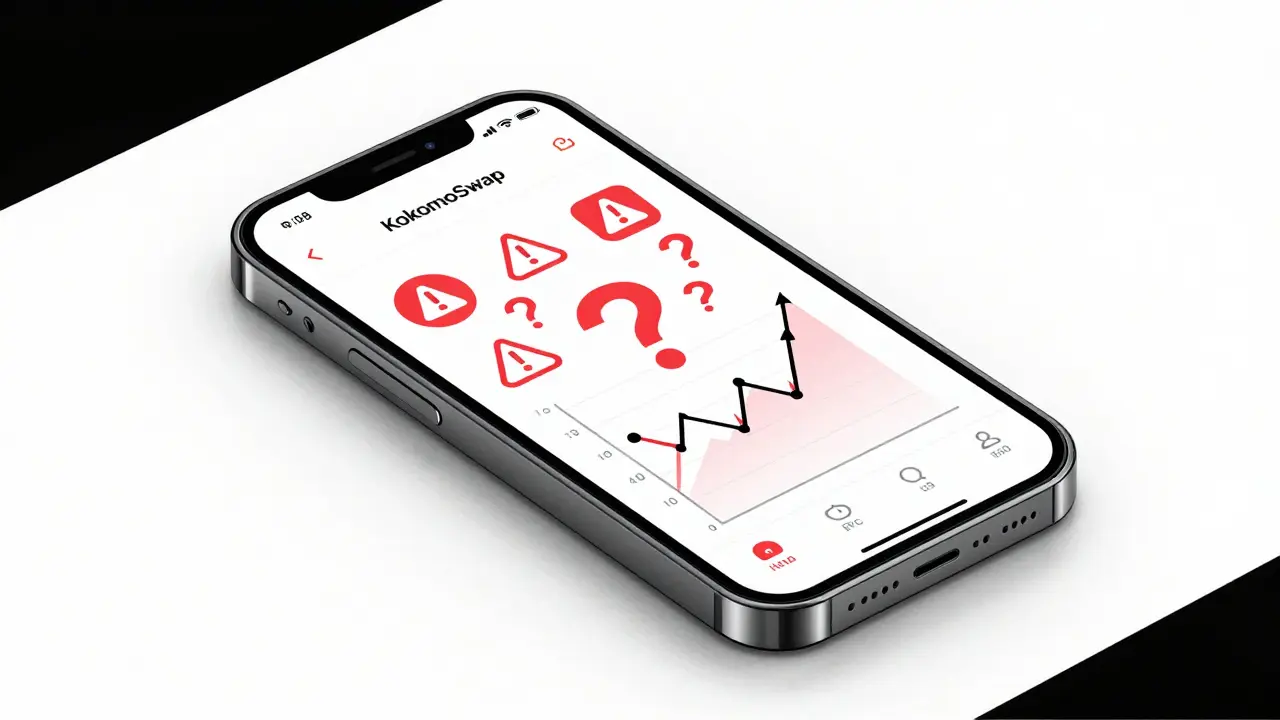
You’ve probably seen the ads. Maybe a friend sent you a link, or you stumbled upon it while scrolling through social media. The promise is always the same: high returns, low fees, and a platform that seems too good to be true. That’s exactly where KokomoSwap fits in. But here is the hard truth: if you are looking for a detailed feature breakdown of trading pairs, staking yields, or mobile app reviews for KokomoSwap, you won’t find them here. Why? Because there is almost no credible information about this platform.
In the world of cryptocurrency, silence is often louder than noise. When a major exchange like Binance or Coinbase launches, analysts write thousands of words. When a smaller but legitimate DEX like Uniswap updates its protocol, developers publish technical docs. KokomoSwap, however, exists in a gray area that raises immediate red flags for anyone who has been burned by scams before.
The Reality Check: What Is KokomoSwap?
First, let’s define what we are dealing with. A crypto exchange is a marketplace where you can buy, sell, or trade digital assets. Legitimate exchanges fall into two main buckets: Centralized Exchanges (CEX) like Kraken or Coinbase, which hold your funds and act as intermediaries, and Decentralized Exchanges (DEX) like PancakeSwap or Uniswap, which use smart contracts on blockchains like Ethereum or BNB Chain.
KokomoSwap sounds like a DEX. The "Swap" suffix usually implies an automated market maker (AMM) model where you trade directly from your wallet without creating an account. However, unlike established DEXs that have open-source code, active GitHub repositories, and verifiable Total Value Locked (TVL) data on aggregators like DefiLlama, KokomoSwap lacks these foundational pillars.
If you search for KokomoSwap on major tracking sites, you will likely hit dead ends. There are no listings on CoinMarketCap or CoinGecko. There are no audits from reputable firms like CertiK or Hacken. There is no clear team behind the project. In crypto, anonymity isn't illegal, but when combined with a lack of transparency, it becomes a significant risk factor.
Red Flags You Cannot Ignore
Before you connect your wallet or deposit a single cent, you need to understand the warning signs. Scammers are getting smarter, but they still make the same mistakes. Here is what you should look for when evaluating a platform like KokomoSwap:
- No Regulatory Presence: Legitimate exchanges register with financial authorities. Even decentralized protocols often have legal wrappers in jurisdictions like Singapore, Malta, or the Cayman Islands. KokomoSwap shows no such footprint.
- Social Media Hype Over Substance: If the only content you find is promotional posts on Telegram or Twitter promising "100x gains," run. Real projects discuss technology, governance, and community building.
- Pressure to Act Fast: Scams thrive on urgency. If you are told that a token sale is ending in hours or that early adopters get exclusive bonuses, it is a psychological trick to bypass your critical thinking.
- Broken or Fake Websites: Check the domain age. Many scam sites are registered just weeks before launch. They often copy the design of legitimate sites but change the logo and name slightly.
How to Verify Any Crypto Platform
You don’t have to take my word for it. You can verify any exchange yourself using a simple checklist. This process takes five minutes and could save you thousands of dollars.
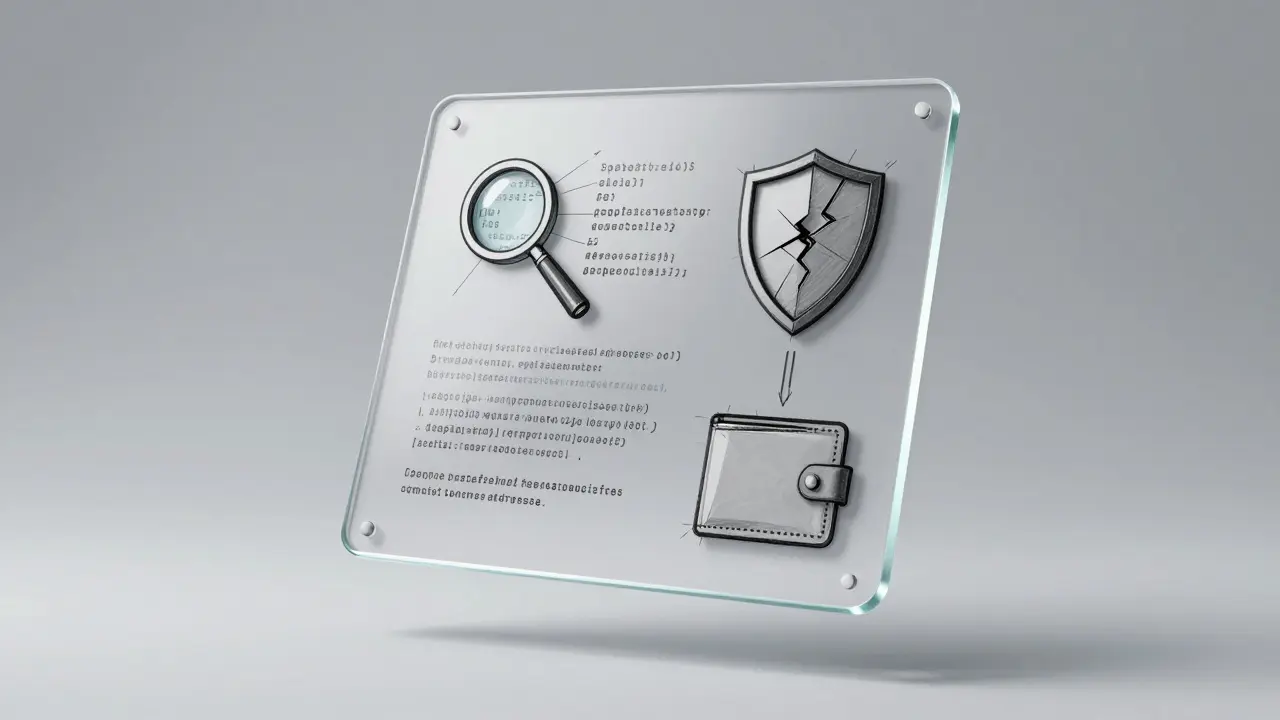
- Check Contract Addresses: If KokomoSwap claims to be a DEX, ask for the contract address of its native token. Paste that address into Etherscan or BscScan. Look at the holder distribution. If one wallet holds more than 50% of the supply, the developers can dump the token on you anytime.
- Look for Audits: Smart contracts must be audited. An audit report is a public document that proves security experts have checked the code for vulnerabilities. If there is no audit, assume the code contains backdoors.
- Search for Community Sentiment: Go to Reddit or specialized crypto forums. Search for "KokomoSwap scam" or "KokomoSwap review." If the only results are positive comments from accounts created last week, those are bots.
- Verify Liquidity: On a DEX, liquidity means there is money in the pool to facilitate trades. Use tools like DexScreener to see if the liquidity is locked. If liquidity is not locked, the developers can pull all the money out-a classic "rug pull."
Safe Alternatives for Trading
If your goal is to trade cryptocurrencies safely, there are proven alternatives that offer transparency, security, and reliability. Instead of risking your capital on an unknown entity like KokomoSwap, consider these established options:
| Platform | Type | Key Feature | Safety Rating |
|---|---|---|---|
| Binance | Centralized (CEX) | Largest liquidity, wide asset selection | High |
| Uniswap | Decentralized (DEX) | Open-source, Ethereum-based, non-custodial | High |
| Coinbase | Centralized (CEX) | Publicly traded company, US-regulated | Very High |
| PancakeSwap | Decentralized (DEX) | Low fees, BNB Chain ecosystem | High |
These platforms have survived multiple market cycles. They have faced regulatory scrutiny, hacking attempts, and economic downturns, yet they remain operational because they prioritize user trust and security infrastructure. KokomoSwap does not have this track record.
The Psychology of Crypto Scams
Why do people fall for platforms like KokomoSwap? It’s not just greed; it’s hope. Many investors feel left behind after missing the Bitcoin bull runs or the NFT boom. Scammers exploit this FOMO (Fear Of Missing Out). They create a narrative where "this time it’s different." They use professional-looking websites, charismatic influencers, and complex jargon to sound legitimate.
Remember this rule: If you have to beg someone to believe a platform is safe, it probably isn’t. Legitimate businesses attract users through value, not persuasion. They provide clear documentation, responsive customer support, and transparent fee structures. KokomoSwap offers none of these.
What To Do If You Have Already Invested
If you have already deposited funds into KokomoSwap, act quickly. First, stop sending more money. Scammers often ask for "withdrawal fees" or "tax payments" to release your funds. These are lies. You will never get that money back.
Second, disconnect your wallet immediately. If you connected a Web3 wallet like MetaMask or Trust Wallet, revoke permissions using tools like Revoke.cash. This prevents the contract from draining any remaining assets.
Third, document everything. Take screenshots of transactions, chat logs, and website URLs. Report the incident to local cybercrime authorities. While recovery is rare, reporting helps build a case against the operators and protects others.
Building a Secure Crypto Habit
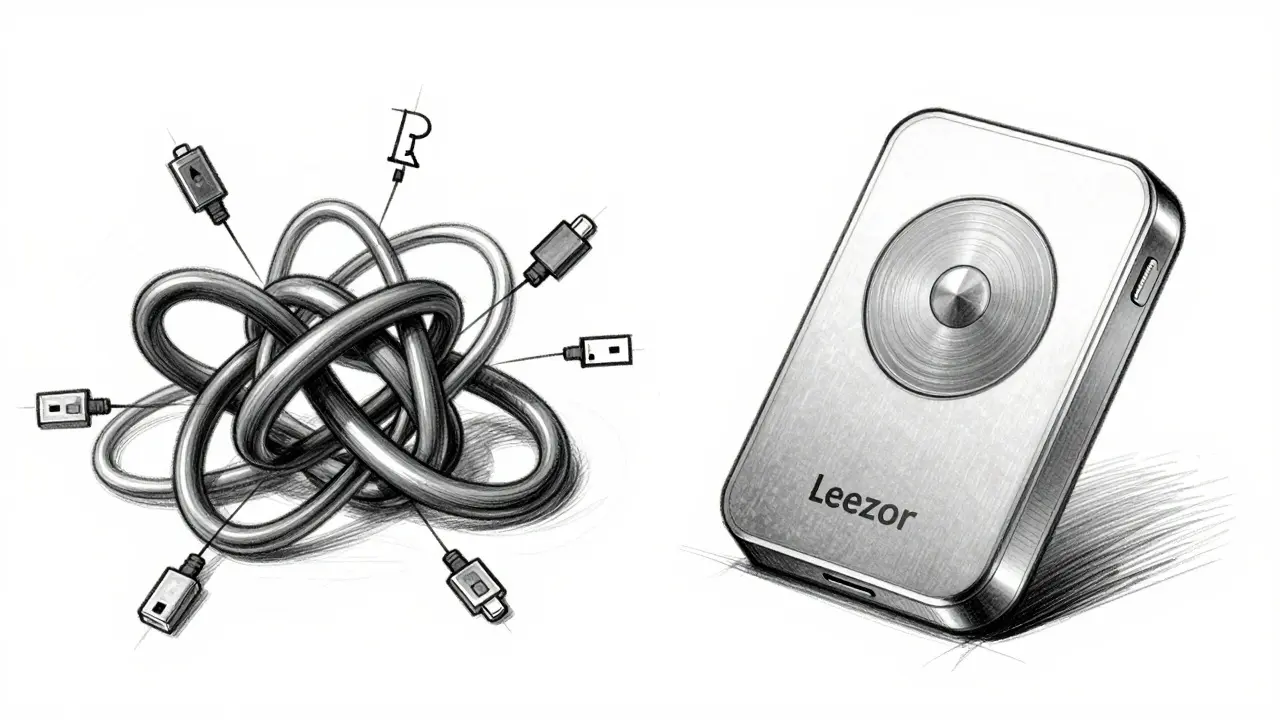
Avoiding scams isn’t about luck; it’s about discipline. Start by educating yourself on how blockchain works. Understand the difference between holding tokens in a hot wallet versus a cold storage device like Ledger or Trezor. Never share your seed phrase with anyone, ever. No support agent, no developer, and no "official" channel will ever ask for it.
Stick to platforms that have been around for at least two years. New projects are exciting, but they come with higher risks. If you want exposure to new tokens, use reputable DEXs like Uniswap rather than proprietary platforms that control the entire ecosystem. This way, you retain custody of your assets, and the risk of platform insolvency is eliminated.
Is KokomoSwap a legitimate exchange?
There is no evidence to suggest KokomoSwap is a legitimate exchange. It lacks regulatory compliance, security audits, and transparent ownership. The absence of credible information is a major red flag indicating potential fraud.
Can I withdraw my money from KokomoSwap?
If KokomoSwap is a scam, withdrawals will likely be blocked or require additional "fees" that you should never pay. Once funds are sent to a scammer's wallet, they are typically irretrievable.
How can I check if a crypto exchange is safe?
Check for regulatory licenses, read independent reviews on trusted sites, verify smart contract audits, and ensure the platform has a long operational history. Avoid platforms that promise guaranteed high returns.
What is a rug pull in crypto?
A rug pull occurs when developers abandon a project and take all the invested liquidity with them. This causes the token price to drop to zero instantly, leaving investors with worthless assets.
Are decentralized exchanges safer than centralized ones?
Not necessarily. DEXs eliminate counterparty risk since you hold your own keys, but they carry smart contract risks. CEXs offer ease of use but pose custodial risks. Both require due diligence, but established platforms in either category are safer than unknown entities.