
If you're looking for a simple "yes" or "no" regarding whether Cryptocurrency is legal in Colombia, you won't find it in the law books. Instead, you'll find a massive legal gray area. While you won't be arrested for owning Bitcoin, you also won't find a government agency that can help you if your funds disappear. In Colombia, digital assets are treated as property, but they aren't money, and they certainly aren't securities. This creates a wild-west environment where innovation is booming, but the safety net is non-existent.
The Legal Status: Property, Not Money
To understand the situation, you have to look at how the Central Bank of Colombia views these assets. They've been clear since 2018: cryptoassets are not legal tender. This means no business in Bogotá or Medellín is legally required to accept a payment in crypto. If a shop refuses your USDT, they're within their rights because the only official currency is the Colombian Peso (COP).
Furthermore, the Financial Superintendency of Colombia (SFC) has ruled that cryptoassets don't count as securities. Because they aren't regulated financial instruments, traditional banks and supervised financial entities are generally blocked from investing in or managing crypto transactions for their clients. Essentially, the government is saying, "You can play with this, but don't expect the traditional banking system to touch it or protect you." This leaves users in a position where they own a digital asset that has value, but no official legal framework to govern its use in contracts or debt payments.
How the Market Actually Works in Colombia
Despite the lack of formal laws, the market is thriving. According to Kaiko Research, Colombia has seen a steady climb in adoption, with about 1.2 million active users as of early 2025. Most people aren't using crypto to buy coffee; they're using it for two main things: sending money home (remittances) and protecting their savings from inflation.
Because there's no "Crypto Law," exchanges operate in a vacuum. You'll find global giants like Binance dominating the scene, alongside local players like Bitso Colombia and CryptoMarket. The key to success for these platforms has been integrating with local payment apps. If you can deposit pesos instantly through Nequi or Daviplata, you've won over the Colombian user. In fact, nearly 90% of positive user reviews for exchanges in the country highlight these fast COP deposits as the biggest draw.
| Country | Regulatory Stance | Key Feature | Risk Level |
|---|---|---|---|
| Colombia | Unregulated Gray Area | High organic growth, no formal laws | High (No consumer protection) |
| Brazil | Progressive / Regulated | Formal "Bitcoin Law" and BCB oversight | Low (Structured framework) |
| Argentina | Growth with Restrictions | High adoption but strict capital controls | Medium (Economic volatility) |
| Venezuela | State-Controlled | Hostile approach via state-run Petro | Very High (Political risk) |
The Dark Side: Risks and the "Me Coin" Lesson
When there are no rules, the only thing that grows faster than the market is the number of scams. The most infamous example is the Me Coin fraud from 2018. The founders promised a ridiculous 50% monthly return, lured in investors, and then vanished with $60 million. Because there was no regulatory body overseeing the operation, victims had almost no recourse to get their money back.
This isn't just a historical anecdote; it's a daily reality. Many users on forums like r/CryptoColombia report losing funds to peer-to-peer sellers who disappear after receiving payment. Without a legal definition of cryptoassets in statutory law, proving a crime in a Colombian court can be a nightmare for a prosecutor. You are essentially your own bank, your own security guard, and your own legal counsel.
Taxes and the DIAN
Here is the part that catches most people off guard: just because there's no cryptocurrency legal status in Colombia doesn't mean the government doesn't want a piece of your profit. The DIAN (the national tax authority) views crypto gains as income.
While the DIAN hasn't released a specific "Crypto Handbook," they apply general tax principles. This means if you buy Bitcoin at $30,000 and sell it at $60,000, that profit is taxable at progressive rates that can go as high as 39%. The danger here is the uncertainty. Many users simply ignore these gains, but the DIAN has estimated that over $120 million in crypto gains went unreported in 2024. Eventually, the tax office will catch up, and the lack of clear guidelines makes it easy to make a mistake that leads to heavy fines.
Practical Steps for Navigating the Colombian Market
If you're planning to dive into the Colombian crypto scene, you need a strategy to avoid the pitfalls of the regulatory vacuum. Don't just trust a "guru" on Telegram; follow a concrete process.
- Stick to Global Exchanges: Use platforms like Binance or Bybit. They have more liquidity and more stable COP pairs than small, local-only shops that might freeze your withdrawals during a market crash.
- Verify KYC Fast: Have your Cédula (ID) and a valid bank account ready. Most reputable exchanges will take 1-3 business days to verify your identity.
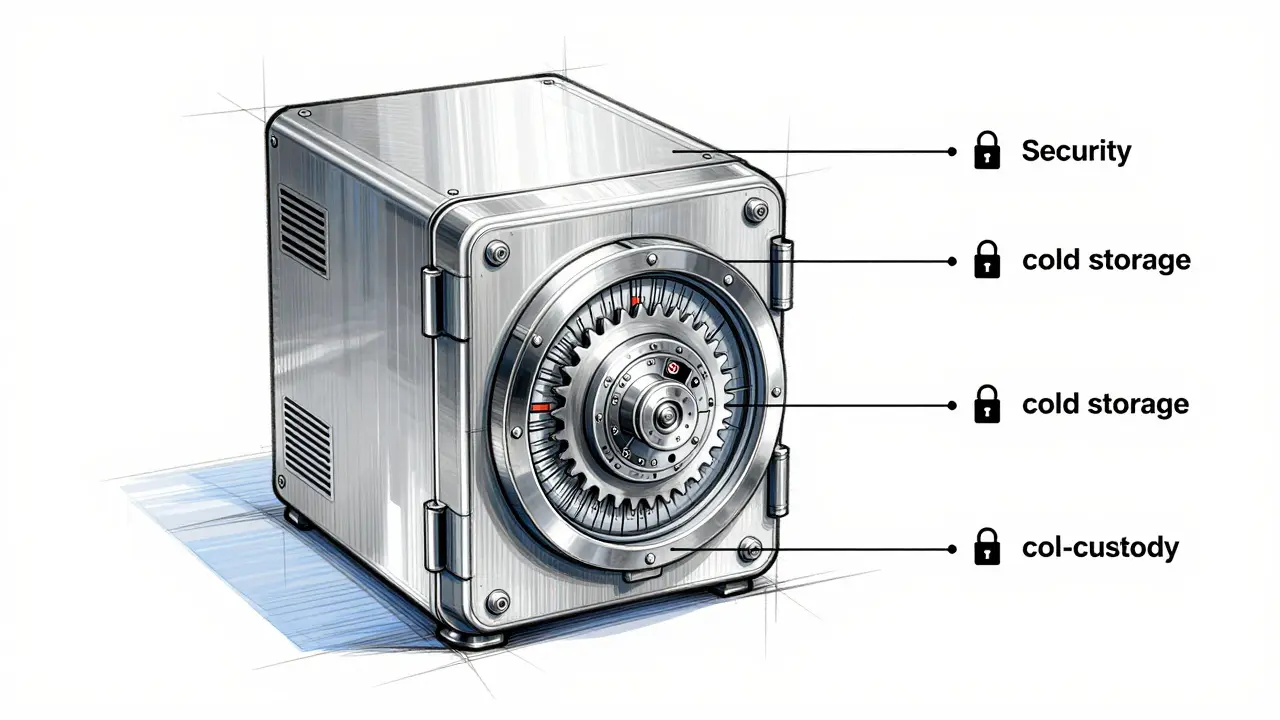
- Use Cold Storage: Since there's no government insurance for your exchange account, move your long-term holdings to a hardware wallet. If the exchange goes bust, your funds stay with you.
- Track Your Cost Basis: Keep a spreadsheet of every purchase and sale. Since the DIAN doesn't provide a tool, you'll need your own records to calculate taxes and avoid audits.
What's Next? The Push for Regulation
The vacuum can't last forever. There's currently a Congressional Bill (Bill 325 of 2024) attempting to create a formal framework for digital assets. However, it's a tug-of-war. On one side, you have the government wanting tax revenue and AML (Anti-Money Laundering) controls. On the other, fintech groups argue that heavy regulation will kill the organic growth that has made Colombia a regional leader.
Most experts believe Colombia will eventually follow Brazil's lead, implementing a phased approach by 2027. This would likely mean stricter rules for exchanges-requiring them to register and report suspicious activity-while still letting individual users hold their coins as private property. Until then, the market remains a high-reward, high-risk environment where the user carries all the weight.
Is it illegal to own Bitcoin in Colombia?
No, it is not illegal. You can legally own, buy, and sell cryptocurrencies. However, they are not recognized as legal tender, meaning businesses are not required to accept them as payment.
Do I have to pay taxes on crypto gains in Colombia?
Yes. The DIAN treats cryptocurrency gains as taxable income. These are subject to progressive income tax rates, which can reach up to 39% depending on your total earnings.
Which exchanges are safest to use in Colombia?
Global exchanges like Binance and Bybit are generally considered more stable due to their high liquidity and better support. For local integration, platforms that connect with Nequi and Daviplata are the most popular for fast COP deposits.
What happens if I get scammed by a crypto seller in Colombia?
Because there is no specific cryptocurrency regulation or consumer protection agency for digital assets, recovery is very difficult. You can report the fraud to the police, but the legal gray area often makes enforcement challenging.
Can Colombian banks block my account for using crypto?
While not illegal, some banks are cautious about large, unexplained transfers to or from crypto exchanges. It is always better to use exchanges with established local payment channels to minimize the risk of flags.


