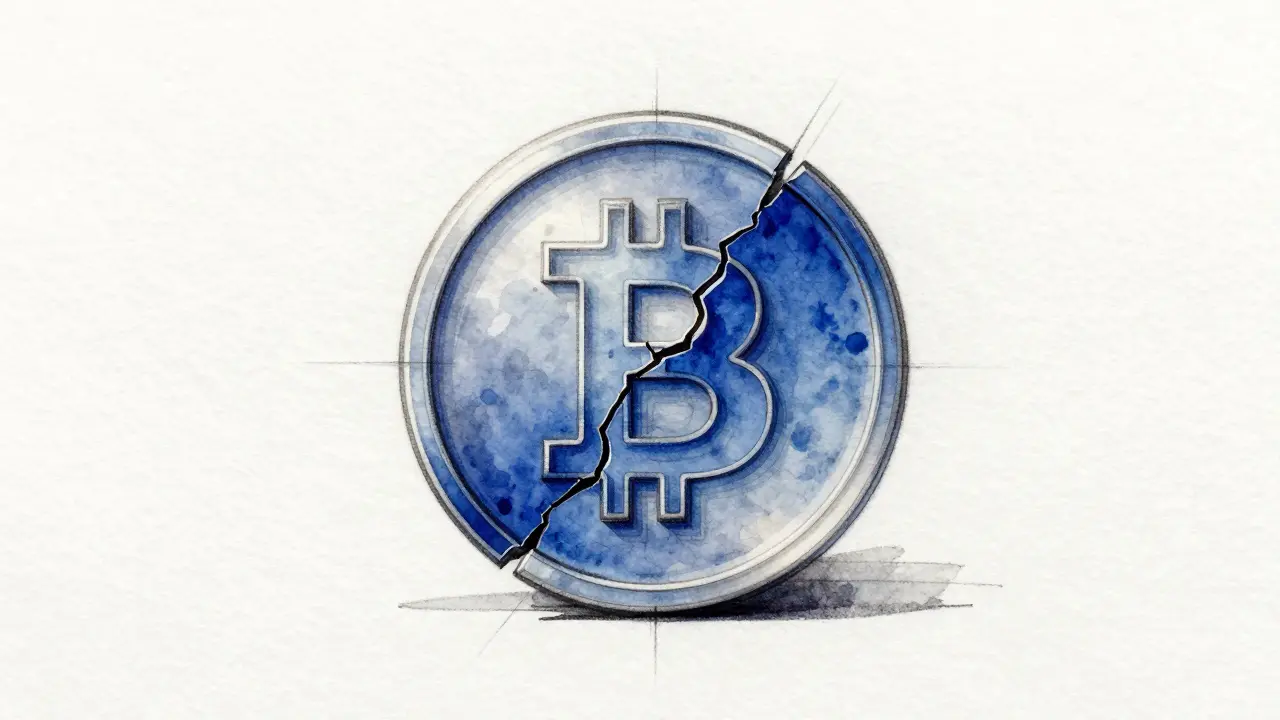
You deposit $500 into a trending token you saw trending on Twitter. By noon tomorrow, that balance has dropped to $100. Welcome to the harsh reality of memecoin trading. These assets promise moon shots and ten-thousand percent returns, but often deliver nothing but heartbreak. Understanding how these schemes work isn't just about protecting your wallet; it is about understanding the mechanics of digital asset manipulation.
The Anatomy of a Memecoin Pump and Dump
When we talk about this specific type of fraud, we are looking at a coordinated effort rather than random market noise. A Memecoin Pump and Dump Scheme is a fraudulent practice where manipulators artificially inflate the price of a low-value token through hype and then sell their holdings en masse. This process exploits human psychology, specifically greed and fear, turning what looks like an opportunity into a trap.
Unlike traditional stocks, memecoins have no intrinsic value tied to earnings or utility. Their price relies entirely on community sentiment. Because anyone can create a token on networks like Ethereum or Solana with minimal cost, scammers flood the market with thousands of options daily. In March 2025 alone, CheckFirst Canada reported a surge in aggressive marketing campaigns targeting unsuspecting investors, leveraging influencer partnerships to spread false promises of exponential growth.
The Four Phases of Manipulation
To spot a scam, you need to know the timeline. These operations follow a predictable script, much like a play with four distinct acts. Recognizing the act currently being performed helps you decide whether to enter the room or leave it immediately.
- The Accumulation Phase: Before the public knows a coin exists, the perpetrators quietly buy up a large supply while the price is dirt cheap. They might use dozens of anonymous wallets to avoid setting off suspicion alerts. You won't see their names on the top holders list yet because they hide behind complex transaction chains.
- The Promotion Phase: This is when you start seeing the token mentioned everywhere. Influencers post screenshots of fake charts. Telegram groups begin buzzing with "exclusive signals." Research indicates organized pump groups typically post initial announcements 24 to 48 hours before executing pumps, often utilizing premium membership structures based on recruitment numbers.
- The Pump Phase: Now comes the chaos. Prices spike rapidly due to manufactured Fear Of Missing Out, or FOMO, which drives uninformed retail investors to buy at peak prices without doing research. Bots flood chat rooms with emojis and positive news. The chart goes vertical, making early holders look like geniuses.
- The Dump Phase: Once the retail crowd buys in, the orchestrators sell everything simultaneously. The sudden supply increase crashes the price instantly. Newcomers are left holding worthless tokens as the manipulators cash out their profits elsewhere.
Memecoins versus Rug Pulls
People often confuse pump and dumps with another major crypto threat called the Rug Pull. While both result in total loss, the mechanics differ significantly.
| Feature | Pump and Dump | Rug Pull |
|---|---|---|
| Intent | Price manipulation via coordinated buying/selling | Total withdrawal of project funds by developers |
| Liquidity | Often remains locked temporarily | Suddenly drained by the developer |
| Duration | Can span days or weeks of price cycling | Happens instantly, often overnight |
| Visibility | High promotional activity | Project website may vanish completely |
In a pump and dump, the developers might actually want to keep the token alive long enough to sell more bags multiple times. In a rug pull, the smart contract is often designed to drain the pool immediately. Both require vigilance, but identifying a pump and dump involves watching social momentum, whereas detecting a rug pull involves auditing code.
Spotting the Red Flags
You don't need a degree in finance to spot these traps. Look at the basic metrics. If a token seems too good to be true, it usually is. Here are the warning signs that scream manipulation.
- Anonymous Teams: Legitimate projects have faces. If the founders refuse to do video interviews or use pseudonyms without a long history, proceed with extreme caution.
- Tiny Market Caps: Tokens under $1 million are easy to manipulate. A relatively small amount of capital can move the price wildly. Established coins take millions to shift a few percent.
- Unlocked Liquidity: Check if the liquidity pool (LP) is locked. If the creator holds the LP tokens, they can withdraw all the money at any second.
- Suspicious Token Distribution: Use blockchain explorers. If one or two wallets hold more than 5% to 10% of the supply, they control the price.
- Aggressive Marketing: Constant "To The Moon" shouting and promises of fixed returns are classic hallmarks of a scam group.
Technical Indicators and Tools
Social media lies, but the blockchain tells the truth. To verify a project, you need to look at the on-chain data. Blockchain Analytics companies have developed sophisticated tools for tracking wallet clustering, unusual trading volumes, and coordinated selling patterns that indicate potential manipulation.
Start by checking the contract address on a scanner like Etherscan or Solscan. Look for the "Top Holders" tab. If you see a pattern of many wallets holding exactly the same amount of tokens, those are likely controlled by the scammer using scripts to distribute the supply evenly to avoid red flags.
Also, verify the age of the contract. Many pump schemes launch on Tuesday and crash by Thursday. If a coin is less than 30 days old and suddenly surging 500%, pause. Academic research from the University of Chicago revealed that organized pump groups typically post initial announcements 24 to 48 hours before executing pumps, followed by multiple timing and exchange location announcements. This timing window is critical for identification.
Regulatory Landscape and Protection
While the crypto market operates largely globally, authorities are waking up to these tactics. The Commodity Futures Trading Commission has specifically warned about virtual currency pump and dump schemes occurring in largely unregulated cash markets for digital tokens. Similarly, the Securities and Exchange Commission scrutinizes projects that might meet the definition of securities.
Major exchanges are also implementing automated detection systems. However, most pump schemes still happen on decentralized exchanges like Uniswap or Raydium, where there is no KYC barrier for users. This lack of regulation creates enforcement challenges. The responsibility falls heavily on you, the investor, to perform due diligence.
Industry experts emphasize that these schemes often target meme coins because their value is primarily driven by community sentiment rather than underlying utility or technology. The accessibility and low initial prices of meme coins create false perceptions of easy investment opportunities among uninitiated investors. Remember, if a group on Telegram is telling you which coin to buy "before it launches," they own the inventory you are chasing.
What to Do If You Get Caught
Mistakes happen. Even experienced traders fall victim to hype cycles. If you find yourself holding a bag during a crash, here is the immediate action plan.
First, cut your losses quickly. Holding onto a dying memecoin hoping it recovers is often the fastest way to lose everything. In a pump and dump, recovery is unlikely because the manipulators have already exited. Second, document everything. Save screenshots of promotions, links, and transaction hashes. If you believe a crime occurred, you can report it to local financial authorities. Third, stop engaging with the chat groups. These channels often turn hostile or disappear immediately after the dump.
Practical Due Diligence Checklist
Before you buy a single token, run through this quick mental filter.
- Is the development team verified and linked to professional profiles?
- Is the liquidity locked for a significant period (at least 6 months)?
- Are the top holders distributed, or concentrated in a few unknown wallets?
- Does the token have a clear purpose, even if it's just entertainment?
- Have you searched for negative reviews or scam reports on the name?
If you cannot answer "Yes" to most of these, walk away. There are always other opportunities.
Is participating in a pump and dump illegal?
Yes. Organized market manipulation is illegal in most jurisdictions. Regulatory bodies like the CFTC and SEC actively investigate and prosecute individuals who coordinate artificial price inflation.
How can I check if a token is safe?
Verify the contract on a block explorer, check if liquidity is locked on platforms like Unicrypt, and analyze holder distribution to ensure no single wallet controls the majority of supply.
Why are memecoins more vulnerable to these schemes?
Memecoins rely on sentiment rather than utility. This makes them easy targets for manipulation through social media hype, as price movement doesn't depend on actual company performance.
What role do influencers play in these scams?
Influencers are often paid to promote tokens without disclosing sponsorship. This drives retail traffic into coins at high prices, providing exit liquidity for the scammer.
Can I recover funds lost in a pump and dump?
Recovery is extremely difficult. Funds sent on the blockchain are irreversible. Your best bet is reporting the scheme to law enforcement, though restitution is rarely guaranteed.


