

Georgia doesn’t ban cryptocurrency. But if you think you can run a Bitcoin ATM or trade crypto through an unlicensed platform in Georgia, you’re about to get a very expensive lesson. In 2025, the rules are clear, enforced, and non-negotiable. The Georgia banking restrictions on cryptocurrency transactions aren’t about stopping innovation-they’re about making sure only those who play by the rules can operate.
It’s Not Illegal to Own Crypto-But It’s Illegal to Move It Without a License
You can buy, hold, and sell Bitcoin, Ethereum, or any other crypto in Georgia without breaking the law. The government doesn’t treat crypto as money, but it does recognize it as property. That means you can trade it, use it for payments, and even mine it. But here’s the catch: if you’re moving crypto from one person to another-whether through an exchange, a wallet service, or a Bitcoin ATM-you need a license. The law that changed everything is the Virtual Asset Service Provider (VASP) registration law, which took effect on July 1, 2023. It’s not a suggestion. It’s a legal requirement. Any company or individual offering services like crypto trading, custody, or ATM operations must register with the National Bank of Georgia (NBG). No exceptions. Not even if you’re just helping a friend send Bitcoin. In January 2025, two companies got a wake-up call: Bullet Blockchain, Inc. and Blockchain Technology Machines, Inc. (doing business as RocketBTM). They were running Bitcoin ATMs that let users deposit cash and send crypto to third-party wallets. No license. No warning. Just a cease and desist order that took effect immediately. These weren’t shady operations-they were visible, public kiosks. And Georgia shut them down.What Counts as a Money Transmitter Under Georgia Law?
Georgia’s definition of a money transmitter is broad. If you’re transmitting value-including virtual currency-you’re regulated. That includes:- Bitcoin ATMs that allow deposits into external wallets
- Crypto exchanges operating within Georgia
- Wallet providers that hold crypto on behalf of users
- Any platform that facilitates peer-to-peer crypto transfers for a fee
The Licensing Process: It’s Not Easy, But It’s Transparent
Getting licensed isn’t a formality. It’s a full audit. The National Bank of Georgia requires applicants to submit:- Proof of financial stability (minimum capital reserves)
- Detailed business plans and operational procedures
- Background checks on all owners and senior managers
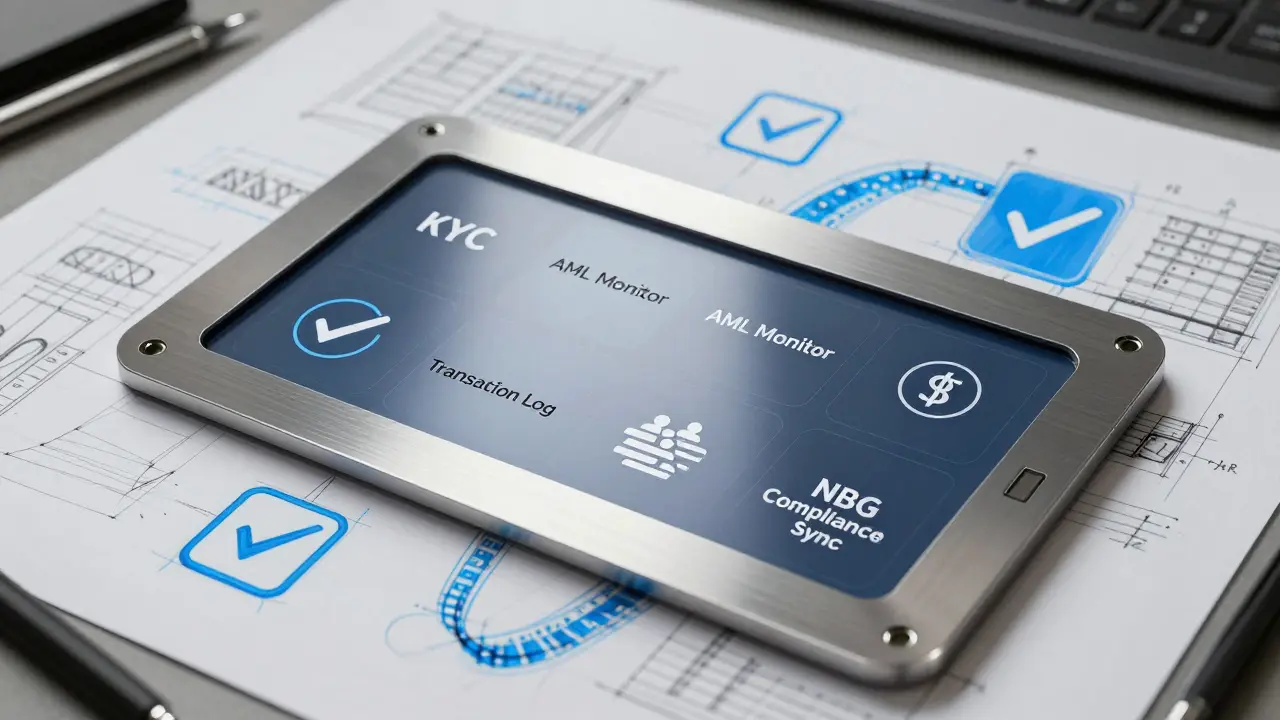
- A fully documented AML/CFT compliance program
- Proof of cybersecurity and data protection measures
Why Georgia’s Crypto Tax Policy Is a Double-Edged Sword
Georgia has one of the most attractive crypto tax regimes in the world: 0% tax on individual cryptocurrency transactions. If you buy Bitcoin in 2025 and sell it for a profit next year, you pay nothing to the government. That’s a huge draw for investors and traders. But here’s the flip side: companies pay 15% corporate tax on distributed profits. So while you, as a private user, get to keep every dollar you make, a crypto exchange or wallet provider operating in Georgia has to hand over a chunk of its earnings to the state. This isn’t a contradiction-it’s strategy. Georgia wants to attract individual users and miners (thanks to low electricity costs), but it also wants to collect revenue from the businesses that enable the ecosystem. The government currently holds 66 BTC, valued at over $6.8 million, as part of its reserve strategy. That’s not a secret. It’s a signal: they’re serious about crypto, and they’re playing the long game. By 2025, Georgia expects 153,000 residents to be using crypto regularly. That’s 14.13% of the population. Market revenue is projected at $1.9 million. These aren’t guesses-they’re projections based on real adoption trends and regulatory clarity.AML/CFT Rules Are Tighter Than Ever
Every licensed crypto business in Georgia must have a working anti-money laundering and counter-terrorist financing system. That means:- Collecting full KYC data: name, address, ID, proof of residence
- Verifying identities using government-issued documents
- Monitoring transactions for unusual patterns
- Reporting suspicious activity to the Financial Monitoring Service within 24 hours

What’s Next? Digital Assets and the 2026 Deadline
Georgia isn’t done. By 2026, the government plans to fully integrate digital assets into its broader AML/CFT framework. That means tokenized securities, CBDC pilots, and possibly even regulated stablecoins could be coming. The NBG is already reviewing applications for new digital asset platforms. They’re not blocking innovation-they’re building a safe runway for it. The goal isn’t to be the biggest crypto hub in the world. It’s to be the most trustworthy one. If you’re thinking of launching a crypto business in Georgia, don’t wait. The window for operating without a license is closed. The regulators are watching. The penalties are immediate. And the path to compliance? It’s well-marked, publicly available, and waiting for you.What Happens If You Ignore the Rules?
You don’t get a warning. You don’t get a fine. You get shut down. The cease and desist orders issued in January 2025 didn’t give companies time to appeal. They were effective immediately. Assets were frozen. Operations halted. Employees laid off. Customers lost access to their funds. There’s no appeal process for unlicensed operators. The law doesn’t care if you thought you were “just helping people.” If you’re transmitting value without a license, you’re breaking the law-and Georgia’s regulators have zero tolerance.Bottom Line: Play by the Rules or Get Out
Georgia offers one of the cleanest, most predictable crypto environments in Eastern Europe. Low taxes for users. Clear rules for businesses. Strong enforcement. International credibility. But it’s not a free-for-all. The banking restrictions aren’t meant to scare people away. They’re meant to keep the system honest. If you’re serious about crypto in Georgia, get licensed. Do the work. Build the compliance. Follow the law. The alternative isn’t just risky-it’s over.Is it legal to own cryptocurrency in Georgia?
Yes. Owning, holding, and trading cryptocurrency is completely legal in Georgia. The government does not recognize crypto as legal tender, but it is treated as property. Individuals can buy, sell, and store Bitcoin, Ethereum, and other digital assets without any legal restrictions.
Do I need a license to operate a Bitcoin ATM in Georgia?
Yes. If your Bitcoin ATM allows users to deposit cash and send crypto to third-party wallets, you must hold a money transmitter license under Georgia law. This requirement became strictly enforced in 2025. Operators without licenses, like Bullet Blockchain and RocketBTM, were shut down immediately by the Georgia Department of Banking and Finance.
What is the tax rate on cryptocurrency in Georgia?
Individuals pay 0% tax on cryptocurrency gains. This is one of the most attractive crypto tax policies in the world. However, businesses that provide crypto services pay a 15% corporate tax on distributed profits. This creates a clear incentive for individual users while ensuring the government collects revenue from commercial operators.
What happens if I operate a crypto service without a license?
You will be issued a cease and desist order with immediate effect. Your operations will be shut down, assets may be frozen, and you could face legal action. There is no grace period, warning, or appeal process for unlicensed activity. The Georgia Department of Banking and Finance enforces these rules strictly.
How do I apply for a VASP license in Georgia?
You must apply through the National Bank of Georgia (NBG). The process requires submitting detailed documentation on your business structure, financial standing, management team, and AML/CFT compliance system. The NBG reviews applications thoroughly and may take weeks to approve. Contact Deputy Commissioner Rod Carnes for official guidance.
Are crypto transactions monitored by the government in Georgia?
Yes. Licensed crypto service providers are required to collect KYC data, monitor transactions for suspicious activity, and report any red flags to the Financial Monitoring Service. The NBG uses this data to ensure compliance with AML/CFT rules and to build a transparent digital financial system.
Is Georgia a good place to start a crypto business?
Yes-if you’re prepared to comply. Georgia offers 0% personal crypto taxes, low energy costs for mining, and a clear regulatory path. The government is actively working to attract legitimate businesses and has earned praise from the IMF for its strong AML/CFT framework. But compliance is mandatory, not optional.
What’s the difference between VASP and money transmitter licenses in Georgia?
VASP (Virtual Asset Service Provider) is the official term for crypto-specific businesses under Georgia’s 2023 law. A money transmitter license is the broader legal category under state law that VASPs must fall under. All VASPs must obtain a money transmitter license, but not all money transmitters are VASPs. The VASP framework adds specific crypto compliance requirements.