
You see the headline: GameFi Protocol is dropping free tokens on CoinMarketCap. Your heart races. Free crypto? That sounds too good to be true. In the world of decentralized gaming and finance, "too good" usually means "dangerous." Before you connect your wallet or click any suspicious links, we need to separate the hype from the hard facts. As of mid-2026, there is no verified record of an official partnership between a project named "GameFi Protocol" with the ticker GFI and CoinMarketCap for a major token distribution.
The Reality Check: No Official Record Found
Let’s look at the data. When a major platform like CoinMarketCap partners with a protocol for an airdrop, it doesn’t happen in the shadows. These events are announced via official press releases, tweeted by verified accounts, and listed prominently on the platform’s homepage. We’ve checked the archives. We’ve looked at the recent campaign histories. The result? Silence.
This isn't just a lack of news; it's a red flag. Scammers thrive on confusion. They take real names-like CoinMarketCap-and attach them to fake projects to steal your trust and your funds. If you are seeing ads or pop-ups claiming that GameFi Protocol is giving away thousands of dollars worth of GFI tokens through CoinMarketCap, you are likely looking at a phishing attempt.
| Feature | Legitimate Campaign | Likely Scam |
|---|---|---|
| Announcement Source | Official website & verified Twitter/X account | Random Telegram DMs, pop-up ads, or unverified blogs |
| Wallet Connection | Read-only initially; clear terms of service | Immediate request to sign unknown transactions or approve unlimited spending |
| Cost to Participate | Free (gas fees only) | Requires sending ETH/SOL to a "verification" address first |
| Domain Name | Exact match (e.g., coinmarketcap.com) | Slight misspellings (e.g., coinmarket-cap.com, cmc-airdrop.net) |
How These Scams Work
Understanding the mechanics helps you spot the trap. Here is the typical playbook used by bad actors targeting gamers and crypto enthusiasts:
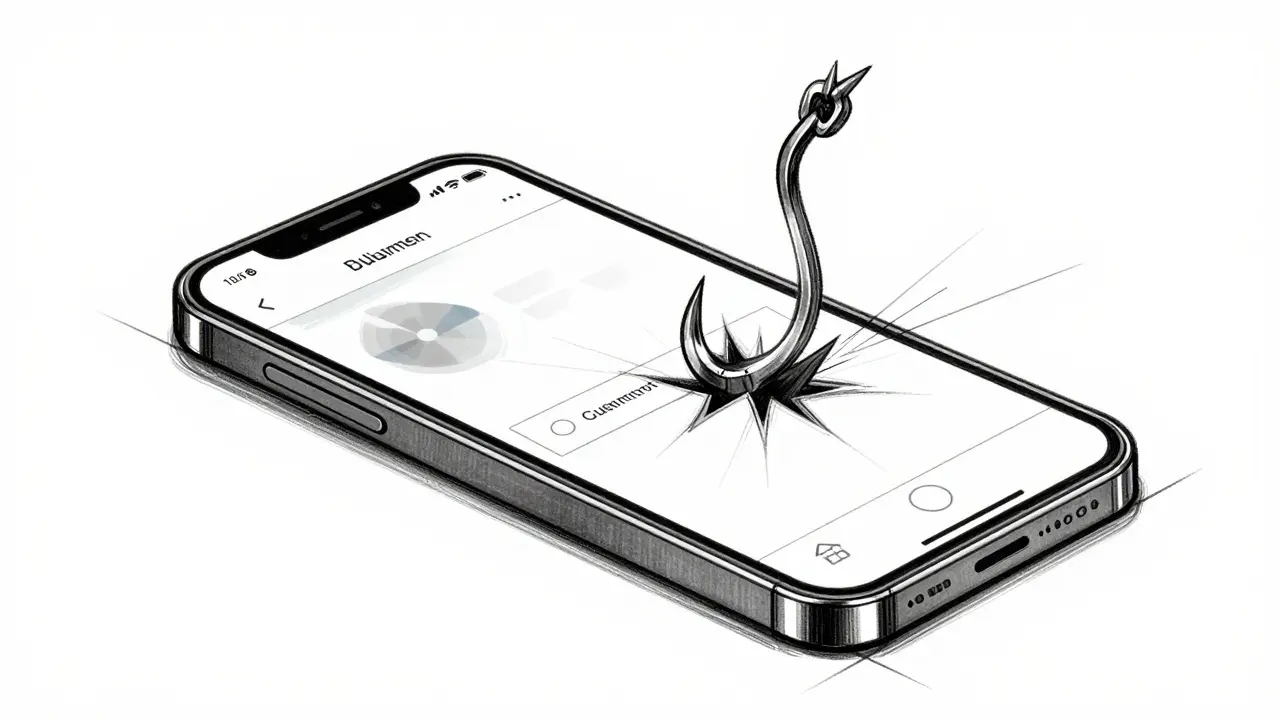
- The Hook: You see an ad promising massive rewards for a new game token. The branding looks professional, often mimicking the style of legitimate platforms like Binance or CoinGecko.
- The Lure: You land on a landing page that claims to be an official partner portal. It asks you to connect your MetaMask, Phantom, or other Web3 wallet.
- The Trap: Once connected, the site prompts you to "verify" your wallet or "claim" your reward. This requires signing a transaction. This signature isn't just a receipt; it’s an approval contract.
- The Drain: By signing, you have given the scammer permission to move assets out of your wallet. Within seconds, your holdings can be drained.
It happens fast. There is no customer support to call. There is no refund button. This is why verification is not just a step-it’s your shield.
Historical Context: What Real Partnerships Look Like
To understand what’s missing here, let’s look at how real things work. Back in 2021, during the peak of the Binance Smart Chain (now BNB Chain) boom, CoinMarketCap did host significant campaigns. For example, the BSC GameFi Expo featured projects like Thetan Arena and Radio Caca. These were transparent. The rules were public. The smart contracts were audited. The distribution happened on-chain, visible to everyone.
If GameFi Protocol were truly partnering with CoinMarketCap today, we would expect similar transparency. We would see:
- A dedicated page on the main CoinMarketCap domain.
- Clear documentation on how the GFI tokenomics work.
- Audits from reputable firms like CertiK or Hacken.
Without these pillars, the claim collapses under its own weight.
Step-by-Step Verification Guide
Before you engage with any airdrop claim, run this checklist. It takes two minutes but could save you thousands.
- Check the URL: Hover over the link before clicking. Does it say
coinmarketcap.com? Or does it saycmc-promo.xyz? Only trust the exact domain. - Verify Social Proof: Go directly to the official Twitter/X account of CoinMarketCap (not a search result). Do they mention this airdrop? If not, ignore the noise.
- Use Reputable Trackers: Sites like Airdrop.io or DappRadar list verified opportunities. If it’s not there, be skeptical.
- Never Send Crypto to Claim: Legitimate airdrops never ask you to send Bitcoin, Ethereum, or Solana to a personal wallet address to "unlock" rewards. Ever.
Protecting Your Digital Assets
In the GameFi space, your wallet is your bank account. Treat it with the same caution. Use a hardware wallet like Ledger or Trezor for significant holdings. Keep your seed phrase offline. Never type it into a website.
If you have already interacted with a suspicious site, act immediately. Use tools like Revoke.cash to check and revoke any unauthorized approvals granted to unknown contracts. Move your remaining assets to a fresh wallet if you suspect a compromise.
Is the GameFi Protocol (GFI) CoinMarketCap airdrop real?
As of July 2026, there is no official evidence of such an airdrop. Most claims circulating online are likely scams designed to phish wallet credentials or drain funds. Always verify announcements on the primary CoinMarketCap website.
What should I do if I clicked a suspicious airdrop link?
If you connected your wallet but didn't sign a transaction, you are likely safe. If you signed a transaction, use Revoke.cash immediately to remove permissions. Consider moving your assets to a new wallet with a new seed phrase to ensure security.
How can I identify a fake CoinMarketCap partnership?
Look for slight misspellings in URLs, requests to send crypto upfront, and announcements made only on unofficial social media channels. Legitimate partnerships are always announced on verified official channels with detailed technical documentation.
Are all GameFi airdrops scams?
No, many legitimate projects distribute tokens to early users. However, the key difference is transparency. Real airdrops have clear criteria, audited smart contracts, and official communication channels. They never require you to pay a fee to receive them.
Where can I find verified GameFi airdrops?
Stick to reputable aggregators like DappRadar, Airdrop.io, and official project websites. Avoid random Discord servers or Telegram groups that promise guaranteed high returns without due diligence.