

Imagine spending weeks crafting a perfect fake passport. You use high-end printers, source genuine-looking security features, and even hire someone to create a deepfake video of themselves holding the document. Your goal? To open an account on a major cryptocurrency exchange without revealing your true identity. It sounds like a scene from a cyber-thriller, but this is happening right now. The dark web is flooded with "identity kits" specifically designed to bypass Know Your Customer (KYC) checks. But here is the harsh reality: you are not just breaking a rule; you are committing a federal crime with devastating personal and financial consequences.
Cryptocurrency exchanges are no longer the Wild West. They are heavily regulated financial institutions subject to strict oversight by agencies like the Securities and Exchange Commission (SEC), the Financial Crimes Enforcement Network (FinCEN), and the Department of Justice (DOJ). When you forge documents to access these platforms, you trigger a cascade of legal liabilities that extend far beyond a simple ban. This article breaks down exactly what happens when you try to trick the system, the technologies used to catch you, and the severe penalties awaiting those caught in the act.
The Evolution of Digital Identity Fraud
Gone are the days when a blurry photo of a driver's license was enough to fool a verification team. Today, the sophistication of document forgery has escalated dramatically. On dark web marketplaces, criminals sell complete "synthetic identity packages" for anywhere between $15 and $500. These aren't just single forged documents; they are comprehensive sets including government-issued IDs, utility bills matching the fake address, and even synthetic video responses designed to pass automated liveness checks.
The most alarming development is the integration of artificial intelligence into fraud schemes. Fraudsters now use deepfake technology to animate stolen photographs. During a video verification process, a virtual camera presents pre-recorded or AI-generated video content that mimics natural human movement. These systems can simulate blinking, head turns, and even subtle facial expressions. However, this technological arms race has forced exchanges to upgrade their defenses significantly. Modern detection systems don't just look at the face; they analyze microscopic indicators invisible to the human eye, such as lighting reflection irregularities in the eyes, artificial blinking patterns, and pixel-level artifacts left by AI generation tools.
This evolution means that attempting to bypass KYC is not only illegal but also technically difficult. Exchanges employ multi-layered security approaches. A successful fraud attempt requires passing through every protective barrier simultaneously. If one layer fails-whether it's document inconsistency analysis or external database verification-the entire application is flagged. Each detected forgery method is incorporated into training databases, making future attempts even harder to execute successfully.
Federal Charges: More Than Just a Fine
Many people mistakenly believe that forging documents for crypto access is merely a civil violation or a minor offense. In reality, it is treated as a serious white-collar federal crime. The legal framework classifies these actions under securities fraud statutes because cryptocurrency investments are often considered securities or financial instruments subject to federal regulation.
When prosecutors build a case against document forgery for crypto access, they rarely charge just one crime. Instead, they stack multiple federal offenses to maximize penalties. Common charges include:
- Wire Fraud: Using electronic communications (like email or internet transactions) to execute a scheme to defraud.
- Securities Violations: Deceptive practices used to obtain cryptocurrency investments or cause others to make fraudulent investments in unregistered products.
- Money Laundering Offenses: Concealing the origins of illegally obtained funds through complex financial transactions.
- Conspiracy: Working with others to commit any of the above crimes.
Each individual count can carry a potential sentence of up to 20 years in federal prison. When combined, the sentencing guidelines consider factors such as the total loss amount, the number of victims, the defendant's role in the criminal organization, and the sophistication of the technology used. Given that cryptocurrency transactions often cross state and international borders, federal jurisdiction typically applies. This means defendants face the full range of federal criminal penalties, including substantial fines and asset forfeiture provisions where the government seizes all assets derived from or involved in the crime.
Exchange Liability and Regulatory Pressure
The pressure isn't just on the individual fraudster; it's also on the cryptocurrency exchanges themselves. Platforms face significant liability exposure if they fail to implement adequate safeguards against document forgery. Regulators expect exchanges to verify user identities rigorously and monitor suspicious transactions continuously. Failure to do so can result in severe regulatory scrutiny and massive penalties.
A notable example occurred in November 2022 when the Office of Foreign Assets Control (OFAC) settled with Kraken for apparent violations of sanctions regulations. While not solely about document forgery, this case highlighted the intense focus regulators place on compliance failures. Exchanges can be held liable for knowingly facilitating fraudulent schemes, failing to maintain Anti-Money Laundering (AML) and KYC standards, breaching fiduciary duties to users, or engaging in deceptive practices regarding platform security.
This dynamic creates a powerful incentive for exchanges to invest in advanced detection technologies. Verification specialists at major platforms describe a continuous evolution of detection methods. Systems now identify inconsistencies that humans might miss, such as mismatched metadata in digital photos or anomalies in biometric data. The regulatory expectation is clear: platforms must act as intermediaries in the digital finance marketplace with robust identity verification protocols. Negligence in security implementation can lead to lawsuits from defrauded users and additional regulatory penalties.

Detection Technologies: How You Get Caught
Understanding how detection works reveals why forgery is such a risky endeavor. Modern KYC solutions have moved away from single-point authentication to multi-checkpoint verification. Here is what happens behind the scenes when you submit documents:
- Document Element Analysis: Algorithms scan physical documents for signs of tampering, checking for consistent fonts, watermarks, and holograms. They compare the submitted image against known templates of genuine documents from various countries.
- External Database Verification: The information provided is cross-referenced with external databases, including credit bureaus, government records, and leaked data repositories. If the name doesn't match the address or the ID number is invalid, the application is rejected.
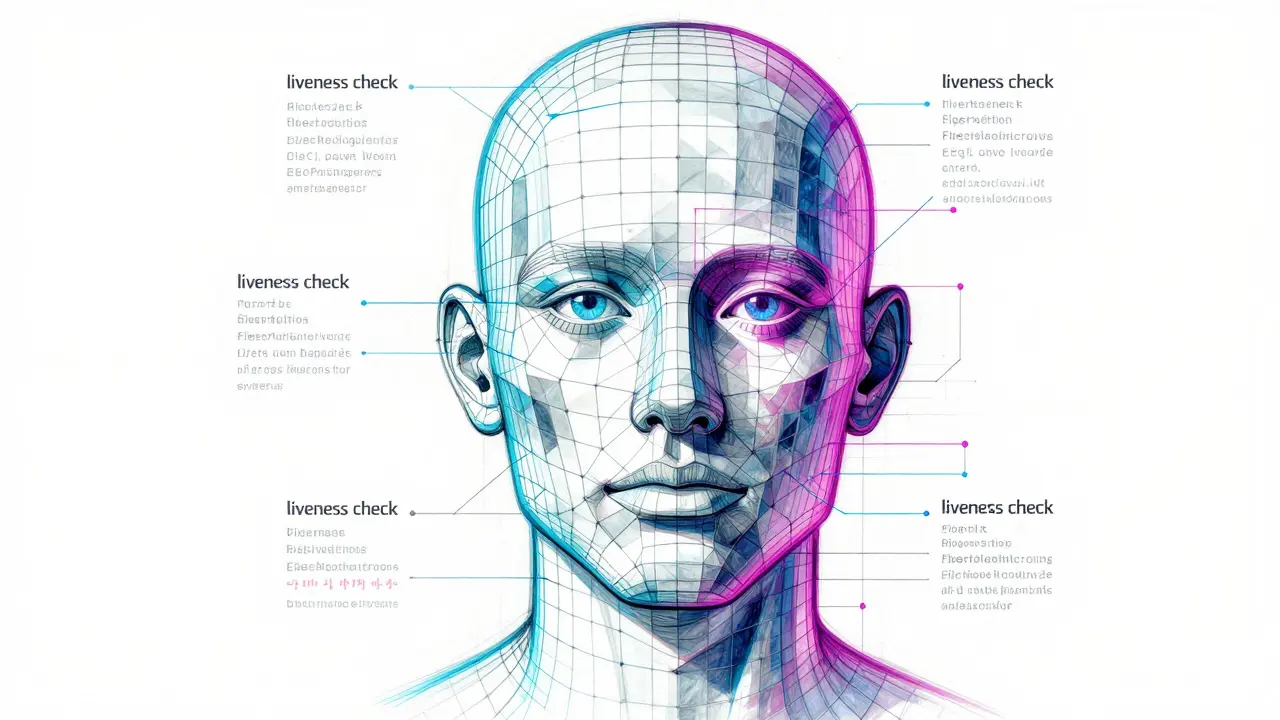
- Biometric Liveness Checks: Advanced algorithms analyze video submissions for signs of manipulation. This includes detecting screen reflections, analyzing blood flow patterns via remote photoplethysmography (rPPG), and identifying AI-generated artifacts.
- Risk Scoring Systems: Machine learning models assign a risk score based on behavioral patterns, device fingerprints, and historical data. Unusual behavior, such as accessing the site from a VPN associated with fraud, triggers immediate flags.
These systems are constantly updated. Every new forgery technique discovered is added to the training data, improving the accuracy of detection over time. This creates a feedback loop where fraudsters must constantly innovate to stay ahead, while exchanges get better at catching them. For the average person attempting to forge documents, the odds are stacked heavily against success.
Long-Term Implications for the Industry
The legal landscape surrounding cryptocurrency is evolving rapidly. As agencies adapt to emerging technological threats, we can expect stricter liability standards for exchanges. This includes potential civil liability for damages resulting from inadequate fraud prevention measures. The trend is moving toward mandatory enhancement of verification technologies, with particular focus on platforms serving U.S. persons and handling significant transaction volumes.
For individuals, the message is clear: the window for anonymity through deception is closing. Successful prosecution of document forgery cases relies on demonstrating intent to defraud and actual financial losses. Prosecutors require evidence that defendants knowingly used false documents to circumvent regulatory compliance. Defense strategies often focus on challenging technical evidence, but with sophisticated forensic tools available, this is increasingly difficult.
The long-term implications for the cryptocurrency industry include increased regulatory scrutiny and potential expansion of liability for platforms. This trajectory suggests that document forgery for crypto access will face increasingly severe legal consequences as the digital asset ecosystem matures. The intersection of technology and law creates complex evidentiary challenges, requiring specialized expertise in both cybersecurity and financial crimes. For anyone considering this path, the risks far outweigh any perceived benefits.
What is the maximum prison sentence for document forgery related to crypto?
Individual counts of wire fraud, securities fraud, or money laundering can carry sentences of up to 20 years in federal prison. When multiple charges are stacked, the total sentence can exceed this limit depending on the severity of the crime and the defendant's criminal history.
Can cryptocurrency exchanges be sued for allowing fake accounts?
Yes. Exchanges can face liability if they fail to maintain adequate AML/KYC compliance standards, knowingly facilitate fraudulent schemes, or breach fiduciary duties. This can result in regulatory penalties and lawsuits from defrauded users.
How do exchanges detect deepfakes during video verification?
Exchanges use advanced algorithms that analyze microscopic indicators such as lighting reflection irregularities in eyes, artificial blinking patterns, and pixel-level artifacts. They also check for screen reflections and analyze biological signals like blood flow patterns to ensure the person is real and present.
Is using a VPN to hide my location during KYC a crime?
While using a VPN itself is not illegal, using it to conceal your identity during KYC verification can be considered part of a fraudulent scheme. Risk scoring systems flag VPN usage, especially if associated with known fraud networks, leading to account rejection or further investigation.
What happens to my assets if I am convicted of crypto fraud?
Federal sentencing guidelines include asset forfeiture provisions. The government can seize all assets derived from or involved in the crime, including cryptocurrency holdings, bank accounts, and property purchased with illicit funds.