
It used to be that if you wanted to buy Bitcoin in New Zealand without paying a massive premium, Dasset was your best bet. It was the first fully compliant digital asset exchange in the country, designed specifically to fix the pricing gap for local traders. But today, the story is very different. If you are looking to sign up, trade, or withdraw funds from Dasset right now, you need to know exactly where things stand because the platform is currently in voluntary liquidation.
This review isn't just about features and fees anymore; it's about what went wrong, why your money might be stuck, and what this means for the future of crypto trading in New Zealand and Australia. We will look at how Dasset started, the banking crisis that brought it down, and what you should do if you still have assets locked inside their system.
The Rise of Dasset: Fixing the NZ Crypto Gap
To understand the fall, you have to look at the rise. When Digital Asset Exchange Limited launched version 1.0 of its platform in May 2019, it solved a real problem. Before Dasset existed, buying cryptocurrency in New Zealand was expensive. Because there was no local liquidity and few regulated options, digital currencies traded at a roughly 20% premium compared to global prices. You were essentially paying extra just for being in Aotearoa.
The company was founded by Stephen Macaskill, a CEO with a background in precious metals trading from Colorado. He saw the inefficiency and built an exchange to act as a "node of liquidity." The goal was simple: provide a place where advanced order types could be used to source cryptocurrency against national currencies like the New Zealand Dollar (NZD) and US Dollar (USD).
In its early days, Dasset supported 13 digital assets. Later, it expanded to over thirty cryptocurrencies for customers in both New Zealand and Australia. For professional traders, the platform offered APIs for automated strategies and institutional-grade onramps. Retail users appreciated the direct NZD-to-crypto pairs, which were rare at the time. By partnering with US-based Bittrex in June 2020, Dasset aimed to deepen liquidity pools further. The result? Macaskill reported that the spread dropped by approximately 80%, bringing local prices within 1-3% of global spot rates. That was a huge win for local investors.
The Banking Crisis: Why Operations Stopped
Despite the technical success and regulatory compliance, Dasset hit a wall that many crypto businesses fear: traditional banking. In January 2025, the exchange’s incumbent banking provider withdrew services. This is not an uncommon issue in the crypto industry, often referred to as "de-banking," but for a standalone exchange, it can be fatal.
Without a bank account, Dasset couldn't process fiat withdrawals. Customers suddenly found themselves unable to move their New Zealand Dollars out of the platform. The exchange tried to secure a replacement banking partner, but none materialized quickly enough. This operational freeze meant that while you could technically see your balance, you couldn't touch your cash.
The impact on users was severe. Reports emerged of individuals having tens of thousands of dollars trapped. One user shared a story of trying to withdraw $40,000-their entire life savings-for three months straight with no success. Another customer received personal communication from CEO Stephen Macaskill but still couldn't access their account. The lack of a functional banking rail effectively paralyzed the business model.
Current Status: Voluntary Liquidation
As of mid-2026, Dasset has entered voluntary liquidation. This is a legal process where a company's assets are sold off to pay back creditors, including customers. However, the process has been confusing and frustrating for many.
There was significant confusion regarding the appointment of a liquidator. While CEO Macaskill claimed a liquidator had been appointed, reports indicated that for a period, no official liquidator was actually in place to manage the proceedings. This delay added to the uncertainty surrounding fund recovery timelines.
Adding to the frustration, the platform continued to accept new user registrations even after withdrawals halted. This created a misleading impression that operations were normal. Meanwhile, the company's website underwent changes, removing contact details like phone numbers and email addresses, though a request form remained active. For anyone trying to get answers during this chaotic period, the lack of clear communication channels made things much harder.
User Experience: From Pioneer to Cautionary Tale
If you used Dasset during its operational peak, you likely viewed it positively. It was seen as essential infrastructure for the New Zealand crypto ecosystem. The team hosted events, maintained an active social media presence, and provided a dedicated support line (0800 461 240). Professional users valued the API access and competitive rates.
But the experience shifted dramatically once the banking crisis hit. Community sentiment turned from pride to deep concern. The primary complaint wasn't about bad trades or high fees-it was about accessibility. Hundreds of users were locked out of their accounts for extended periods. The transparency around the liquidation process and when (or if) funds would be recovered remained unclear for many months.
| Attribute | Details |
|---|---|
| Operational Status | Voluntary Liquidation (Mid-2026) |
| Founder/CEO | Stephen Macaskill |
| Launch Date | May 2019 |
| Primary Markets | New Zealand, Australia |
| Currencies Supported | NZD, USD, 30+ Cryptocurrencies |
| Key Partnership | Bittrex (Liquidity) |
| Main Issue | Banking withdrawal leading to frozen funds |
Lessons for Traders: Choosing a Safe Exchange
The collapse of Dasset highlights critical risks in the crypto space, particularly for smaller markets. Here is what you need to consider before depositing funds into any exchange:
- Banking Stability: An exchange needs a robust relationship with traditional banks to handle fiat inflows and outflows. Ask yourself: How does this exchange handle withdrawals? Do they use multiple banking partners?
- Liquidity Sources: Does the exchange rely on a single partner for liquidity? Dasset relied heavily on Bittrex. Diversification helps prevent single points of failure.
- Regulatory Compliance vs. Operational Reality: Being "compliant" doesn't mean you are immune to banking issues. Check if the exchange is registered with relevant authorities like the Financial Markets Authority (FMA) in New Zealand, but also look for recent news about their financial health.
- Proof of Reserves: Look for exchanges that regularly publish proof of reserves. This ensures that the assets you hold are actually backed 1:1 by the exchange's holdings.
For New Zealanders and Australians, the loss of Dasset left a gap in direct NZD-to-crypto trading. Many users have since migrated to larger international platforms or other local providers that may offer more stability, though sometimes at higher fees or with less localized support.
What Should You Do If You Have Funds on Dasset?
If you still have an account with Dasset, here are the steps you should take immediately:
- Check Official Communications: Look for updates on the official Dasset website or their verified social media channels. Avoid unofficial forums where misinformation spreads quickly.
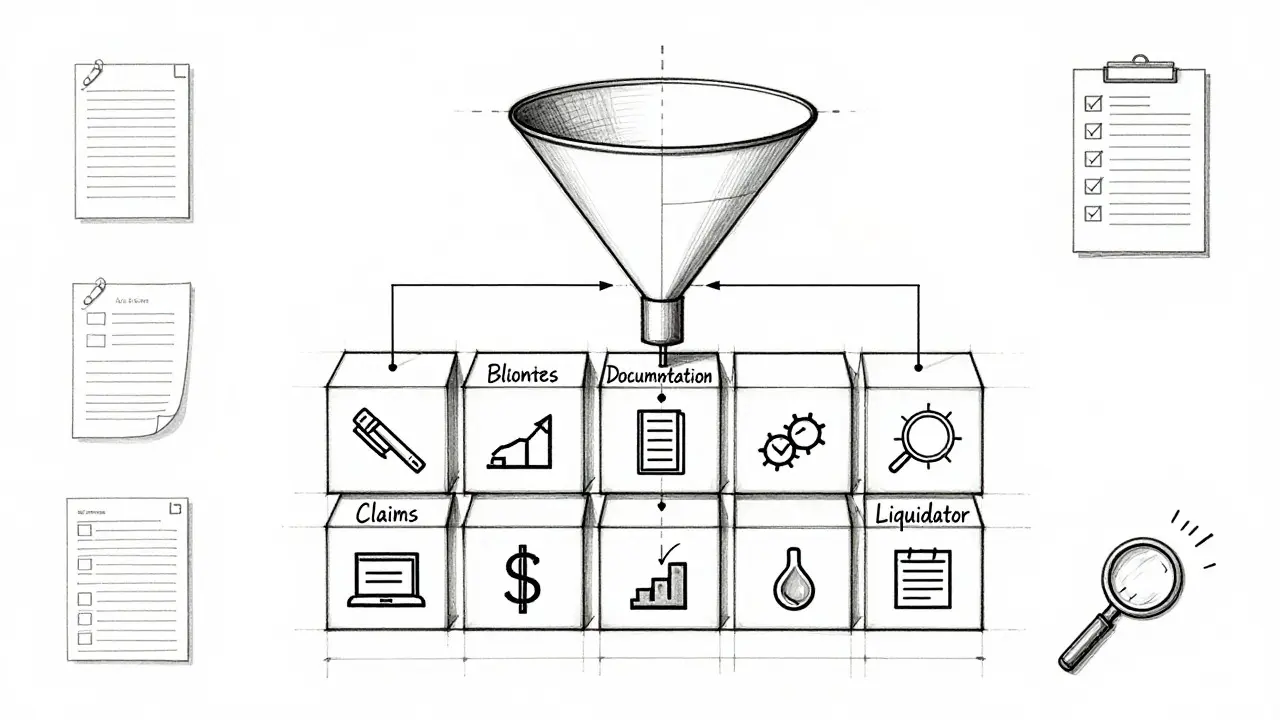
- Contact the Liquidator: Once a liquidator is officially appointed and publicized, file a claim with them. This is the legal channel for recovering funds. Keep records of all your transactions and account balances as evidence.
- Document Everything: Save screenshots of your account balance, transaction history, and any previous communications with support. These documents will be crucial during the claims process.
- Be Patient but Persistent: Liquidation processes can take months or even years. Stay informed through regular checks, but avoid panic-buying solutions from third parties claiming they can recover your funds for a fee-these are often scams.
The Dasset case serves as a stark reminder that even well-intentioned, compliant projects can fail due to external factors like banking relationships. As the crypto market matures, resilience and transparent communication become just as important as low fees and wide coin selection.
Is Dasset crypto exchange still operating?
No, Dasset is no longer operating normally. As of mid-2026, the platform is in voluntary liquidation following a banking crisis that prevented customers from withdrawing funds. New registrations were accepted for a period despite the halt in withdrawals, but current operations are focused on the liquidation process.
Who founded Dasset exchange?
Dasset was founded by Stephen Macaskill, an experienced Bitcoiner and former precious metals trader from Colorado. He established Digital Asset Exchange Limited to address the high premiums on cryptocurrency trading in New Zealand.
Why did Dasset go into liquidation?
Dasset entered liquidation primarily due to a severe banking crisis. Its main banking provider withdrew services in January 2025, leaving the exchange unable to process fiat withdrawals. Unable to secure a replacement banking partner quickly, the company faced prolonged fund freezes, leading to its eventual closure.
Can I withdraw my money from Dasset now?
Currently, standard withdrawals are suspended. Users must go through the liquidation process to potentially recover funds. You should monitor official announcements for the appointment of a liquidator and follow instructions to file a creditor claim. Recovery timelines are uncertain and may take considerable time.
Was Dasset a regulated exchange in New Zealand?
Yes, Dasset marketed itself as New Zealand's first fully compliant digital asset exchange. It aimed to adhere to local regulations to reduce fraud and provide a safe environment for traders. However, regulatory compliance did not protect it from operational failures related to banking partnerships.
What happened to the Bittrex partnership?
Dasset partnered with Bittrex in June 2020 to access deeper liquidity pools. This partnership helped improve trading conditions for users. However, as Dasset entered liquidation, this operational partnership ceased, and liquidity benefits are no longer available to current users.


