
Imagine holding a digital asset worth thousands of dollars, only to realize you have no legal protection if something goes wrong. In Bangladesh, this is the daily reality for anyone touching cryptocurrency. The central bank has maintained a strict ban since 2017, making possession and trade illegal under anti-money laundering laws. Yet, a massive underground market thrives, creating a high-stakes environment where citizens face severe legal, financial, and operational risks.
You might wonder why people still trade despite the prohibition. The answer lies in limited local investment options and the desire for global financial participation. However, this freedom comes with a heavy price tag. From biometric hurdles that lock you out of local exchanges to the constant threat of fraud via Telegram groups, the landscape is treacherous. This article breaks down exactly what these risks look like and how they impact your wallet and freedom.
The Legal Landscape: A Strict Prohibition
The legal status of crypto in Bangladesh is unambiguous. Bangladesh Bank officially banned all cryptocurrency usage, trade, and possession in 2017. The rationale was clear: prevent money laundering, terrorist financing, and financial instability. Since then, the government has pursued offenders under existing anti-money legislation rather than creating specific crypto laws. As of 2025, this stance remains firm, placing Bangladesh among the most restrictive jurisdictions globally.
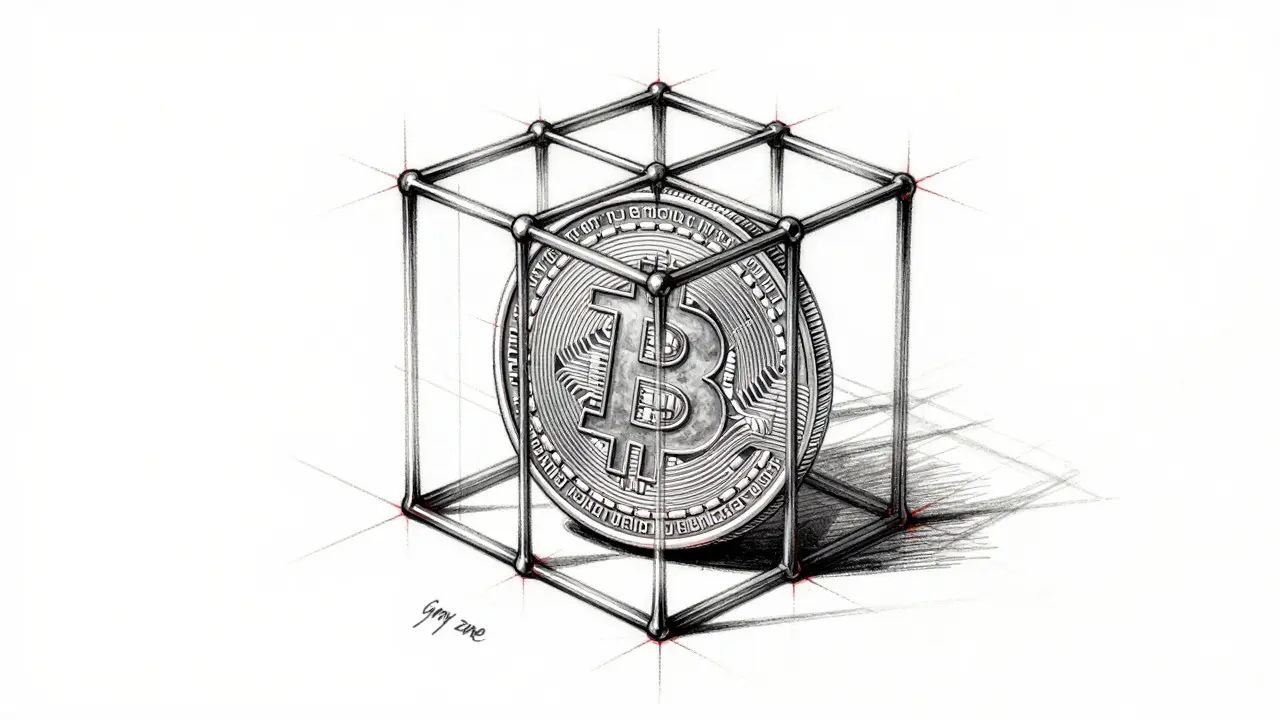
Here is the catch: enforcement is inconsistent. Major platforms like Binance and KuCoin remain accessible through app stores in the country. Users can often sign up with minimal verification, allowing them to trade significant sums without immediate detection. This creates a "prohibition theater" where the law exists on paper, but daily life operates in a gray zone. For you, this means you are technically committing an offense every time you buy or sell, yet the risk of immediate arrest varies wildly depending on who is watching and when.
Financial Risks: How You Lose Money Twice
When you trade in a black market, you lose twice: once to the market volatility, and again to the lack of consumer protection. Bangladeshi traders typically acquire crypto through two main channels, both carrying distinct dangers.
- International Cards: Using US-dollar-denominated credit or debit cards allows banks to track fund movements. If your bank spots large transfers to crypto exchanges, they may freeze your account or report you to authorities. This exposes you to regulatory action and potential debt issues if funds are seized.
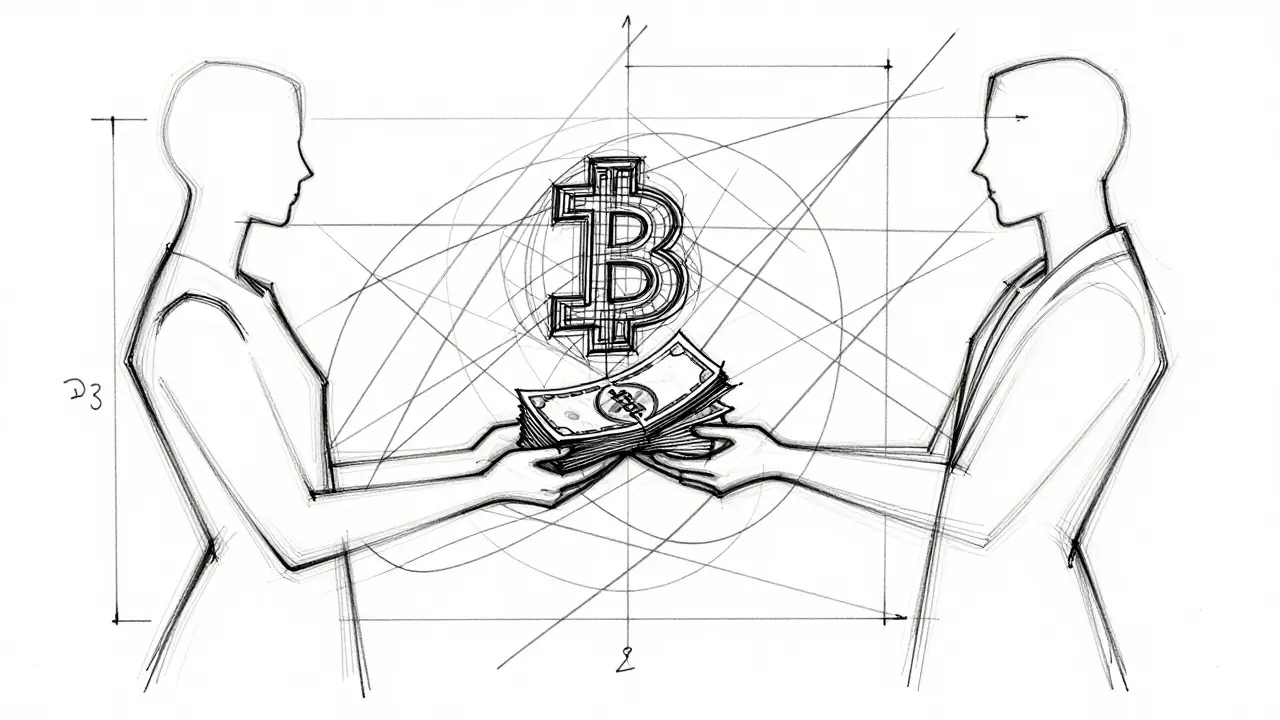
- Local Agents (P2P): Many rely on local agents who swap Taka for assets like Bitcoin or USDT. These agents charge commissions and profit from spreads. Because there is no central authority regulating them, you have zero recourse if they run away with your funds or manipulate prices. It is a trust-based system with no safety net.
In 2025, new biometric verification mandates turned onboarding into a three-day ordeal for some local exchanges. This pushed 30% of users overnight into less regulated Telegram groups. While these groups offer speed, they also multiply the risk of scams. Without a licensed exchange behind you, a "glitch" in the transfer process is just a story the agent tells you, and your money is gone.
Operational & Technical Hazards
The underground nature of the market introduces technical risks that regulated markets simply don't have. Mining operations, explicitly outlawed, have moved into complete secrecy. Warehouse landlords in Chittagong quietly retrofit ventilation systems to hide heat-generating rigs, but this secrecy increases the chance of larger-scale law enforcement raids. If you are involved in mining or hold large amounts of hardware wallets in non-standard locations, you are a prime target for scrutiny.
Cybersecurity is another major concern. To avoid detection, traders often use less secure methods to hide their activities. This includes using public Wi-Fi for transactions or relying on unofficial software clients. Each step taken to evade the state reduces your security posture. Meanwhile, offshore stablecoin platforms are processing 200% more Taka deposits, signaling massive capital flight. This volume attracts government attention, increasing the likelihood of stricter surveillance and potential crackdowns on individual users.
Taxation Paradoxes and Banking Exclusion
One of the strangest risks involves taxes. There is no specific crypto tax regime in Bangladesh. Instead, the National Board of Revenue applies the general Income Tax Ordinance of 1984 to all transactions. This creates a paradox: you owe taxes on gains from an activity that is simultaneously illegal. If you report your income, you admit to breaking the law. If you don't, you risk penalties for tax evasion. Most traders choose silence, hoping not to be audited, but this leaves them vulnerable to retroactive enforcement actions as monitoring capabilities expand.
Furthermore, discovering your crypto activities can lead to exclusion from traditional banking. Financial institutions are prohibited from engaging with crypto-related entities. If a bank identifies your accounts as linked to crypto, they may close your savings or checking accounts. This financial marginalization can block access to mortgages, business loans, and other essential services, impacting your long-term economic stability far beyond the crypto investment itself.
| Method | Primary Risk | Legal Exposure | Consumer Protection |
|---|---|---|---|
| International Cards | Bank tracking and account freezing | High (visible transaction trail) | Low (platform dependent) |
| Local P2P Agents | Fraud and price manipulation | Medium (cash-based, harder to trace) | None |
| Telegram Groups | Scams and rug pulls | Low-Medium (anonymity aids evasion) | None |
| Offshore Exchanges | Regulatory crackdowns | High (data jurisdiction issues) | Variable (often weak) |
Regional Context: Why Neighbors Have It Easier
Looking at neighboring countries highlights just how isolated Bangladeshi traders are. India implements cautious but evolving approaches with structured taxation, including a 30% tax on earnings and 1% tax deducted at source. Pakistan has even taken proactive steps by adding Bitcoin to its reserves. These nations offer legitimate, regulated infrastructure where you know the rules of the game.
In contrast, Bangladesh maintains absolute prohibition. This regulatory divergence forces citizens into higher-risk underground alternatives. You cannot access the same level of institutional support or dispute resolution mechanisms available in India or Pakistan. The result is a fragmented, high-friction environment where every transaction requires extra caution and carries a higher probability of loss.
Future Outlook: Escalating Threats
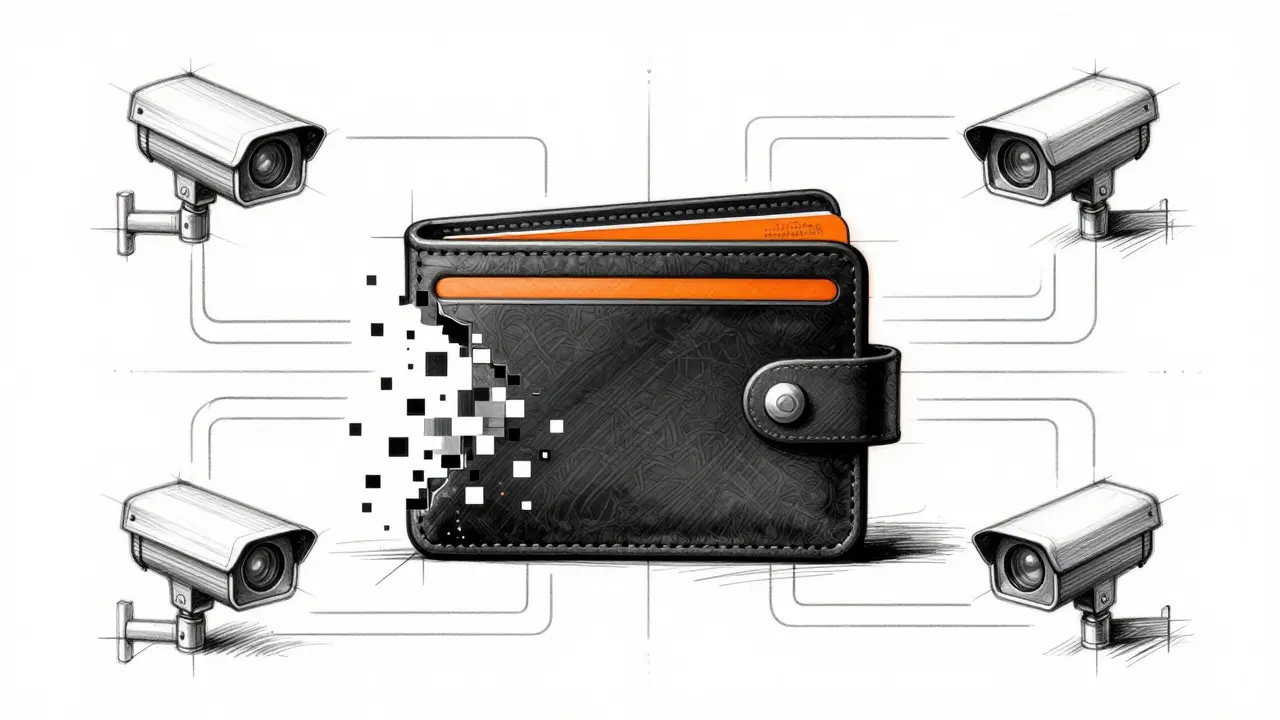
The trend line points toward increased risk, not relief. The 2025 regulatory framework introduced additional restrictions rather than liberalization. Experts describe the current situation as a cycle where prohibition stimulates innovation in circumvention, which in turn triggers stricter enforcement. With mining forced into secrecy and offshore platform usage surging, the government is likely to deploy broader financial surveillance tools.
For you, this means the window for casual, low-profile trading is closing. Retroactive enforcement actions become more likely as data analytics improve. The fundamental incompatibility between Bangladesh's regulatory approach and cryptocurrency suggests that citizen participation will carry rising costs over time. Whether it is a frozen bank account, a surprise tax bill, or a legal summons, the stakes are getting higher every year.
Managing Your Exposure
If you must participate, here are practical steps to mitigate the worst-case scenarios:
- Diversify Entry Points: Don't rely on a single P2P agent. Use multiple trusted sources to reduce the impact of one fraudster.
- Minimize On-Chain Footprint: Use privacy-focused coins or mixers where appropriate, though this adds complexity.
- Keep Records Offline: Maintain physical records of trades in case of disputes, but store them securely away from digital searches.
- Avoid Large Single Transactions: Break up purchases to stay under radar thresholds set by banks.
- Stay Informed on Local News: Enforcement patterns change rapidly. Local community signals are often faster than international news.
Ultimately, the decision to trade in Bangladesh is a risk-reward calculation where the reward is speculative and the risk is existential. Stay vigilant, keep your profile low, and never invest more than you can afford to lose entirely, legally and financially.
Is crypto completely illegal in Bangladesh?
Yes, the Bangladesh Bank banned all cryptocurrency usage, trade, and possession in 2017. Violations are prosecuted under anti-money laundering laws, making it a legal offense to hold or trade crypto.
Can I get my bank account closed for buying crypto?
It is possible. Banks are prohibited from dealing with crypto entities. If they detect large transfers to exchanges or suspicious patterns linked to crypto, they may freeze or close your account, limiting your access to other financial services.
Do I need to pay tax on crypto profits?
Technically, yes. The National Board of Revenue applies the general Income Tax Ordinance of 1984 to crypto gains. However, since the activity is illegal, reporting it admits to the crime, while not reporting it risks tax evasion penalties. Most traders operate in this gray area.
Are P2P agents safe to use?
They carry high risk. Local agents operate without regulation or oversight. You have no legal recourse if they scam you or manipulate prices. Always use established, well-reviewed agents and start with small amounts to test reliability.
Will the government lift the ban soon?
Current trends suggest no. The 2025 framework added more restrictions rather than easing them. Unlike neighbors like India or Pakistan, Bangladesh shows no intention of integrating crypto into its formal economy in the near term.


