
For years, Nigerian crypto users lived in a gray zone. You could buy Bitcoin, trade it on your phone, and send money across borders, but the government mostly looked the other way-or tried to stop you by cutting off bank accounts. That era is over. As of January 1, 2026, crypto taxation in Nigeria is no longer a rumor or a vague threat. It is law.
The landscape has shifted dramatically with the signing of the Nigeria Tax Act (NTA) 2025 by President Bola Ahmed Tinubu. This legislation didn't just tweak existing rules; it built a new framework from the ground up. If you hold digital assets, run a crypto business, or even just accept payments in tokens, you are now squarely in the sights of the Federal Inland Revenue Service (FIRS). Ignorance is no longer a defense, and the penalties for non-compliance are real.
The Legal Shift: From Ambiguity to Clarity
To understand where we are in 2026, you have to look at how quickly things changed. For a long time, the Central Bank of Nigeria (CBN) banned banks from dealing with crypto firms. This pushed most trading underground or onto offshore platforms like Binance and KuCoin. But the Finance Act 2023 laid the groundwork by defining digital assets as "chargeable assets." Then came the Investments and Securities Act (ISA) 2025, which officially classified cryptocurrencies as securities under the watch of the Securities and Exchange Commission (SEC).
The final piece of the puzzle was the NTA 2025. This act consolidates Nigeria’s approach to taxing digital assets and aligns the country with international standards. Why does this matter? Because it means multinational crypto firms can no longer hide profits abroad. More importantly for individuals, it means your gains are visible. The regulatory uncertainty that allowed many to fly under the radar has been replaced by a structured legal environment managed jointly by the SEC and the CBN.
Is cryptocurrency illegal in Nigeria?
No. Owning and trading cryptocurrency is not illegal. However, operating without a license or failing to pay taxes on gains is now a violation of the Nigeria Tax Act 2025 and the Investments and Securities Act 2025.
Who Is Watching? The Regulators Explained
You need to know who holds the power before you file anything. There are three main players in this game:
- Securities and Exchange Commission (SEC): They classify crypto as securities. If you are running an exchange or a fund, you answer to them. They issue licenses to Virtual Asset Service Providers (VASPs).
- Central Bank of Nigeria (CBN): After reversing its 2021 ban, the CBN issued VASP Guidelines in December 2023. Now, they control the banking rails. Only licensed crypto businesses can have bank accounts. This creates a traceable path for every naira that enters or leaves a crypto wallet.
- Federal Inland Revenue Service (FIRS): They collect the money. Under the NTA 2025, they have enhanced authority to audit digital asset transactions and enforce capital gains tax.
This tripartite structure ensures that there are no loopholes. The SEC regulates the activity, the CBN regulates the money movement, and the FIRS collects the tax. If you are using an unlicensed platform, you are likely invisible to the SEC and CBN, but that doesn't mean you are safe-it just means you are operating illegally.
What Exactly Are You Taxed On?
The NTA 2025 is specific about what constitutes a taxable event. It is not just about selling Bitcoin for cash. Here is what triggers a tax liability:
- Capital Gains: When you sell, swap, or dispose of any digital asset at a profit. This includes swapping one crypto for another (e.g., ETH for USDT). The gain is calculated based on the difference between the acquisition cost and the disposal value.
- Business Income: If you run a crypto business, all revenue from fees, staking rewards, or interest is taxable income.
- Payments and Salaries: If you pay employees or suppliers in crypto, those transactions must be recorded in your financial statements and taxed accordingly.
The law explicitly covers cryptocurrencies, utility tokens, security tokens, and non-fungible tokens (NFTs). So, if you minted an NFT in 2024 and sold it in 2025, that profit is subject to capital gains tax. The definition of "disposal" is broad, so keep detailed records of every transaction date and value.
The Binance Factor: Local vs. Offshore Exchanges
One of the biggest headaches for Nigerian traders in recent years was the ban on major global exchanges like Binance and KuCoin. The government’s strategy has been clear: force users into the regulated ecosystem. Licensed local exchanges like Busha, Quidax, and Yellow Card are now the preferred channels for compliant trading.
Why does this matter for taxes? Because these local exchanges are required to report data to the regulators. When you trade on a licensed VASP, your transaction history is linked to your bank account and your Tax Identification Number (TIN). If you continue to use offshore platforms via peer-to-peer (P2P) markets, you are creating a disconnect between your financial reality and your tax filings. While P2P still exists, the risk of being flagged for inconsistent reporting increases significantly when your bank sees large inflows from personal transfers without corresponding declared income.
| Feature | Licensed Local VASP (e.g., Busha) | Offshore/P2P Platforms |
|---|---|---|
| Regulatory Status | Compliant with SEC/CBN | Unregulated/Banned |
| Banking Integration | Direct API links to banks | Manual transfers only |
| Tax Reporting | Automated data sharing with FIRS | User self-reporting (high audit risk) |
| Asset Protection | Legally recognized claims | No legal recourse if platform fails |
How to Comply: A Step-by-Step Guide
If you are starting fresh in 2026, here is how you stay out of trouble. Compliance isn't just about paying tax; it's about building a paper trail that proves you did everything right.
1. Get Your TIN and Register
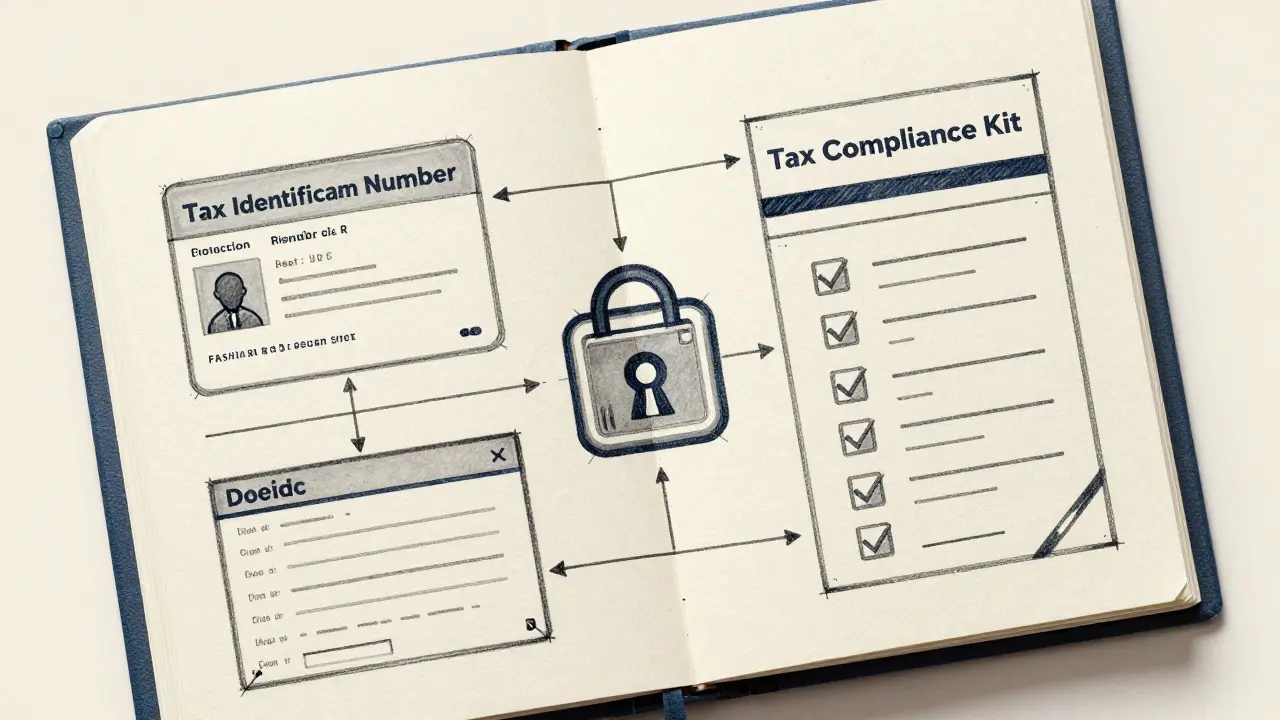
If you don’t have a Tax Identification Number (TIN), get one immediately. You can do this online through the FIRS portal. Once you have it, ensure it is linked to your bank account and your chosen crypto exchange. Most licensed VASPs will ask for this during the Know Your Customer (KYC) process anyway.
2. Use Licensed Platforms
Migrate your trading activity to SEC-licensed VASPs. These platforms are integrated with the national tax system. They make filing easier because they provide standardized reports of your trades, gains, and losses. Avoid mixing personal P2P trades with business activities unless you have a robust accounting system to separate them.
3. Upgrade Your Accounting
Excel spreadsheets might have worked in 2020, but they won't cut it now. The NTA 2025 requires comprehensive compliance measures. Businesses must update their accounting systems to include crypto payments, salaries, and transactions. Consider using software that integrates with blockchain explorers to automatically log transaction dates, values in Naira at the time of transaction, and counterparties.
4. Hire a Specialist
Digital asset taxation is complex. General accountants often struggle with concepts like staking rewards, fork events, or gas fees. Work with a tax advisor who specializes in digital assets. They can help you categorize transactions correctly-distinguishing between capital gains (investment) and ordinary income (business)-which can significantly impact your tax bill.

Pitfalls to Avoid
Even well-meaning taxpayers make mistakes. Here are the most common errors I see in this space:
- Ignoring Small Trades: Thinking that small swaps don't count. Every disposal is a taxable event. Aggregate these small gains, and they add up fast.
- Using Wrong Valuation Dates: Tax is due on the value at the exact time of the transaction, not the end of the month or year. Keep precise timestamps.
- Confusing Capital Gains with Income Tax: If you are a day trader, your gains might be treated as business income, which is taxed differently than long-term capital gains. Clarify your status with an advisor.
- Neglecting Gas Fees: Transaction costs (gas fees) can reduce your taxable gain. Make sure you record these expenses accurately.
Looking Ahead: Enforcement and Penalties
The Nigerian government has signaled that enforcement will be strict. The NTA 2025 grants the FIRS enhanced legal authority and digital filing systems. Expect audits to become more frequent, especially for high-volume traders and businesses. Penalties for non-compliance can include fines, back-taxes with interest, and in severe cases, criminal charges for tax evasion.
The transition from a restrictive environment to a regulated one acknowledges that cryptocurrency is here to stay. The goal is not to crush the market but to integrate it into the formal economy. By staying proactive, keeping transparent records, and working with licensed entities, you protect your assets and contribute to the broader economic framework. The days of flying under the radar are gone; the era of compliant growth has begun.
What is the capital gains tax rate for crypto in Nigeria?
Under the Nigeria Tax Act 2025, capital gains from digital assets are subject to standard capital gains tax rates. For individuals, this typically aligns with personal income tax brackets, while companies pay corporate tax rates on their gains. Consult a tax professional for the exact percentage applicable to your bracket.
Do I need to pay tax on staking rewards?
Yes. Staking rewards are generally considered taxable income at the time they are received. You should record the fair market value of the tokens in Naira on the day you receive them.
Can I still use Binance in Nigeria?
Binance is currently restricted in Nigeria. Using it may expose you to regulatory risks and lack of legal protection. The government encourages the use of SEC-licensed local exchanges like Busha or Quidax for compliant trading.
When is the deadline for filing crypto taxes?
Tax filings generally follow the standard annual income tax deadlines set by the FIRS. Individuals and businesses should file their returns by the end of the first quarter of the following year. Check the FIRS website for specific quarterly deadlines.
What happens if I fail to declare my crypto holdings?
Failure to declare can result in penalties, interest on unpaid taxes, and potential audits. Since banks now report suspicious transactions related to crypto, undeclared assets are at higher risk of being detected.