
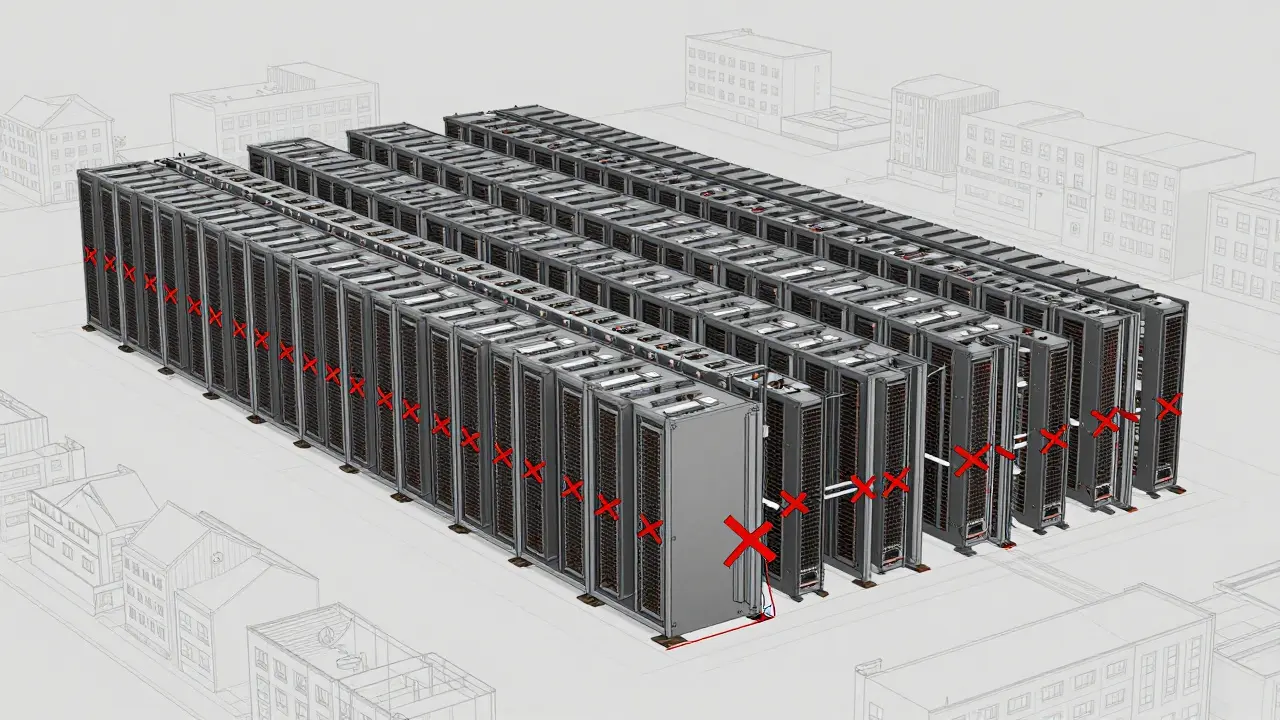
On March 1, 2022, New Brunswick didn’t just slow down crypto mining-it stopped it cold. The provincial government ordered NB Power, the Crown-owned utility, to stop connecting any new cryptocurrency mining operations to the grid. By November 2023, that pause became a full moratorium. No new Bitcoin mines. No expansions. No exceptions. And there’s no end date in sight.
Why New Brunswick Said No to Crypto Mines
New Brunswick isn’t against technology. It’s against using its electricity to power machines that do nothing but burn power for digital coins. Crypto mining, especially Bitcoin mining using Proof of Work, is a massive energy hog. A single large mining facility can use as much electricity as a small town. And in a province where most power comes from hydroelectric dams, that’s not just a cost issue-it’s a reliability issue. In 2022, Manitoba Hydro’s CEO warned that if every crypto operator who had inquired about power in the past 16 months got connected, it would add 4,600 megawatts to the grid. Manitoba’s total capacity at the time was only 6,100 megawatts. New Brunswick faces similar pressures. The province’s population is under 800,000. Its electricity demand is steady, not growing fast. Adding thousands of megawatts of mining load would mean either raising rates for everyone or risking blackouts during peak times. The government’s priority? Protecting homes, hospitals, and schools from rising bills and unreliable power. Crypto miners don’t pay the same rate as households. They often negotiate bulk deals. But even discounted power adds up. When NB Power sees a mining company asking for 50 megawatts, they’re not just looking at a business deal-they’re looking at 15,000 homes that might go without.What the Moratorium Actually Blocks
This isn’t a ban on owning Bitcoin. It’s not even a ban on running a small home rig. The rule targets large-scale industrial mining operations that need direct, high-capacity connections to the provincial grid. Here’s what’s forbidden:- New crypto mining facilities applying for electricity service
- Existing mines requesting more power to expand their operations
- Any new contracts between NB Power and mining companies
How It Compares to Other Canadian Provinces
New Brunswick isn’t alone-but it’s the strictest. Manitoba paused new connections in November 2022 and extended it until April 30, 2026. That’s a hard deadline. After that, they might reconsider. British Columbia passed Bill 24 in 2023, giving BC Hydro legal power to deny excessive electricity requests. When Conifex Timber tried to secure 2.5 million megawatt-hours annually for mining, the courts sided with the utility. BC Hydro won because the law says they must protect the public interest-meaning keeping power affordable and reliable for residents. Hydro-Québec took a different route. Instead of a ban, they raised rates for miners and capped how much power they can buy. It’s a financial deterrent, not a block. Alberta? That’s the opposite. With deregulated power markets and pro-mining policies, it’s become Canada’s top destination for crypto mining. Companies are moving there from New Brunswick, Quebec, and Ontario. In Alberta, you can buy power from private generators. The government doesn’t care how much you use-as long as you pay for it. New Brunswick’s approach is the only one that’s truly indefinite. No review date. No conditions. Just a hard stop.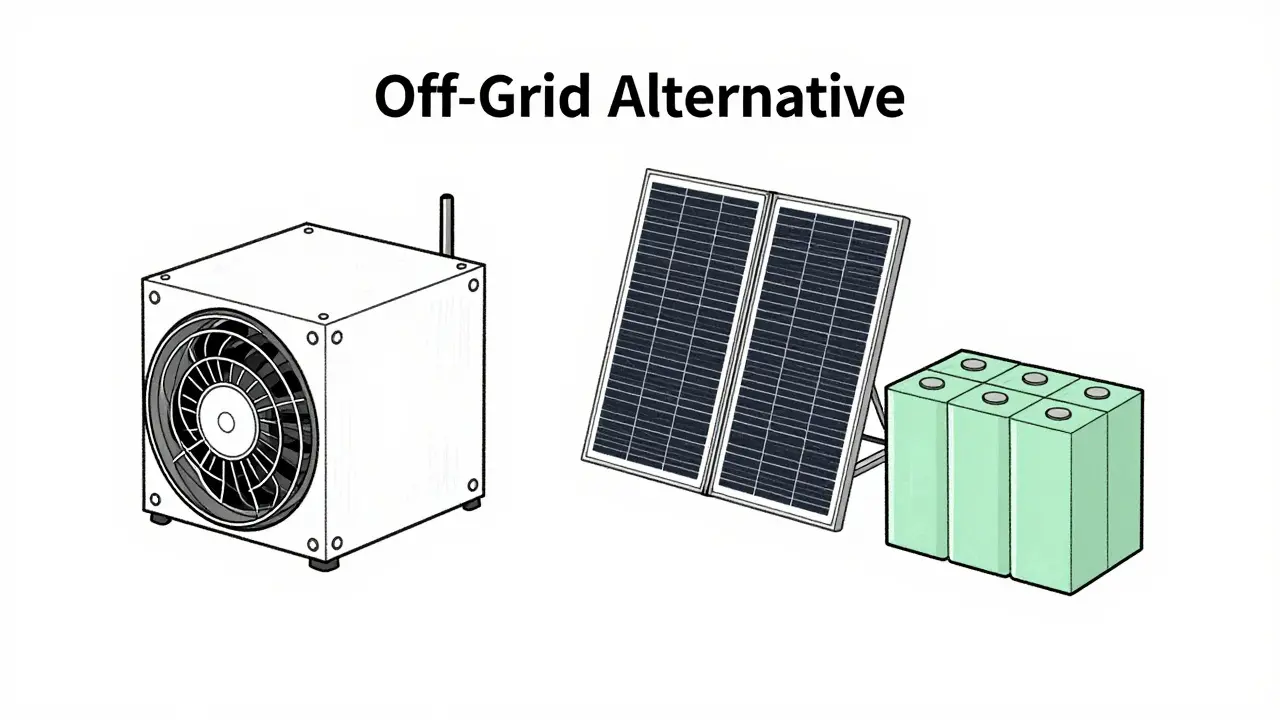
What Happened to Mines Already There?
If your mine was already connected before March 2022, you’re still allowed to run it. But you can’t grow. If you want to add 100 more ASIC miners, you’re out of luck. The grid won’t let you. Some operators tried to sneak in by claiming they were “data centers” or “AI labs.” NB Power started auditing these claims. If the machines are running Bitcoin mining software, and they’re using more than 500 kilowatts, they get flagged. Enforcement is tight. One company in Fredericton tried to rebrand as a “blockchain research hub.” They were shut down after an inspection found 210 ASIC miners hidden behind false walls. The province fined them and disconnected the power.The Bigger Picture: Why This Matters Globally
New Brunswick’s move is part of a global shift. In 2021, China shut down nearly all crypto mining-taking away 75% of the world’s Bitcoin hash rate overnight. Miners scattered. Some went to Kazakhstan. Others to the U.S. Now, North America is the new hotspot. But even in the U.S., states are pushing back. New York banned proof-of-work mining for three years. Tennessee passed rules limiting mining during peak demand. Kentucky is considering a moratorium. The U.S. federal government is watching closely. The real issue isn’t Bitcoin. It’s energy allocation. As the world tries to electrify cars, heat homes, and replace fossil fuels, every megawatt counts. Crypto mining doesn’t build infrastructure. It doesn’t create jobs beyond a few technicians. It doesn’t reduce emissions. It just consumes. New Brunswick’s policy says: We have limited power. We need it for people, not machines.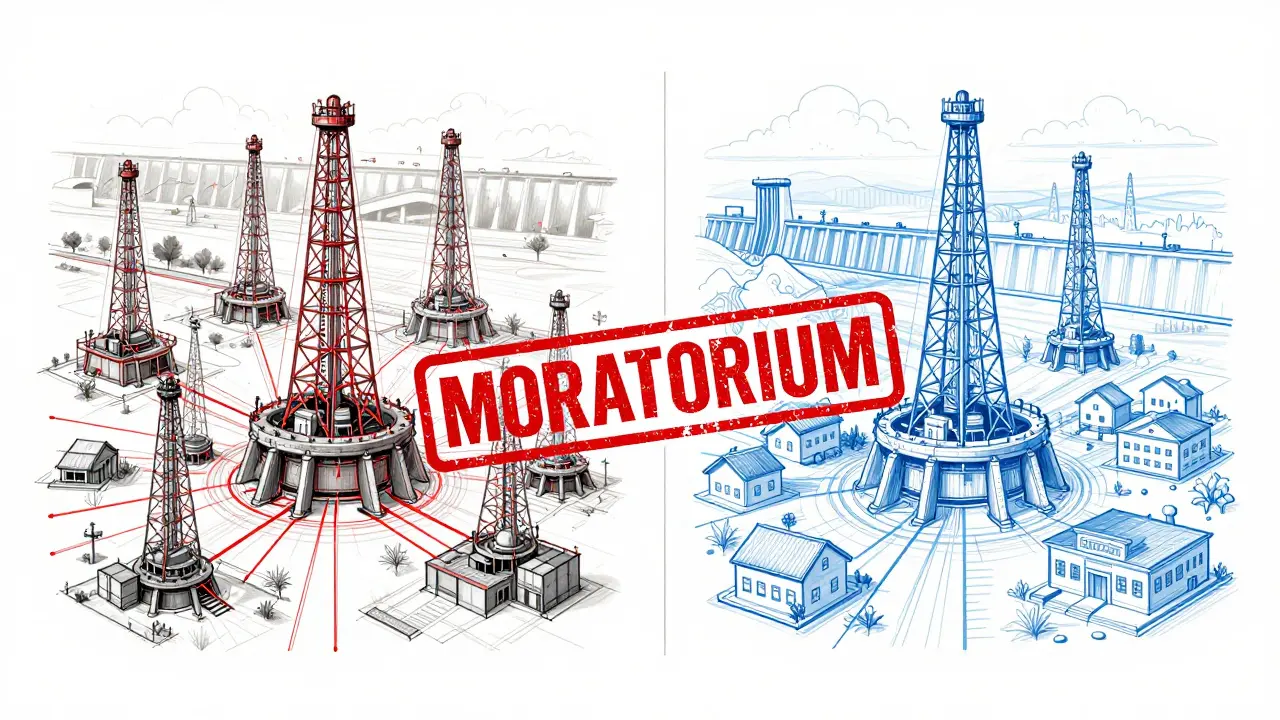
What Miners Should Do Now
If you’re a crypto miner looking to set up shop in Canada, New Brunswick is off the table. Period. Your options:- Move to Alberta-the only Canadian province with open access to power. But be ready for competition. Prices are rising as more miners arrive.
- Use renewable sources-install solar panels or wind turbines. If you’re off-grid, NB Power’s rules don’t apply. But scaling this for industrial mining is expensive and complex.
- Switch to proof-of-stake-Ethereum did it in 2022. It uses 99.95% less energy. If you’re serious about mining long-term, consider coins that don’t burn power.
- Wait and watch-if New Brunswick ever lifts the ban, it’ll be because their grid has expanded or mining tech changed. Neither is likely soon.


