Living in Wellington, I see the global crypto market as one big, open playground. But for millions of people in Iran, it’s more like a minefield. One wrong step-depositing funds on the wrong platform, holding the wrong stablecoin, or linking your wallet to a sanctioned entity-and your assets can vanish overnight. The landscape has shifted dramatically since late 2025. With new domestic taxes, aggressive international freezes, and strict government caps, knowing which crypto exchanges to avoid isn’t just smart advice; it’s essential for survival.
The Tether Trap: Why USDT Is No Longer Safe
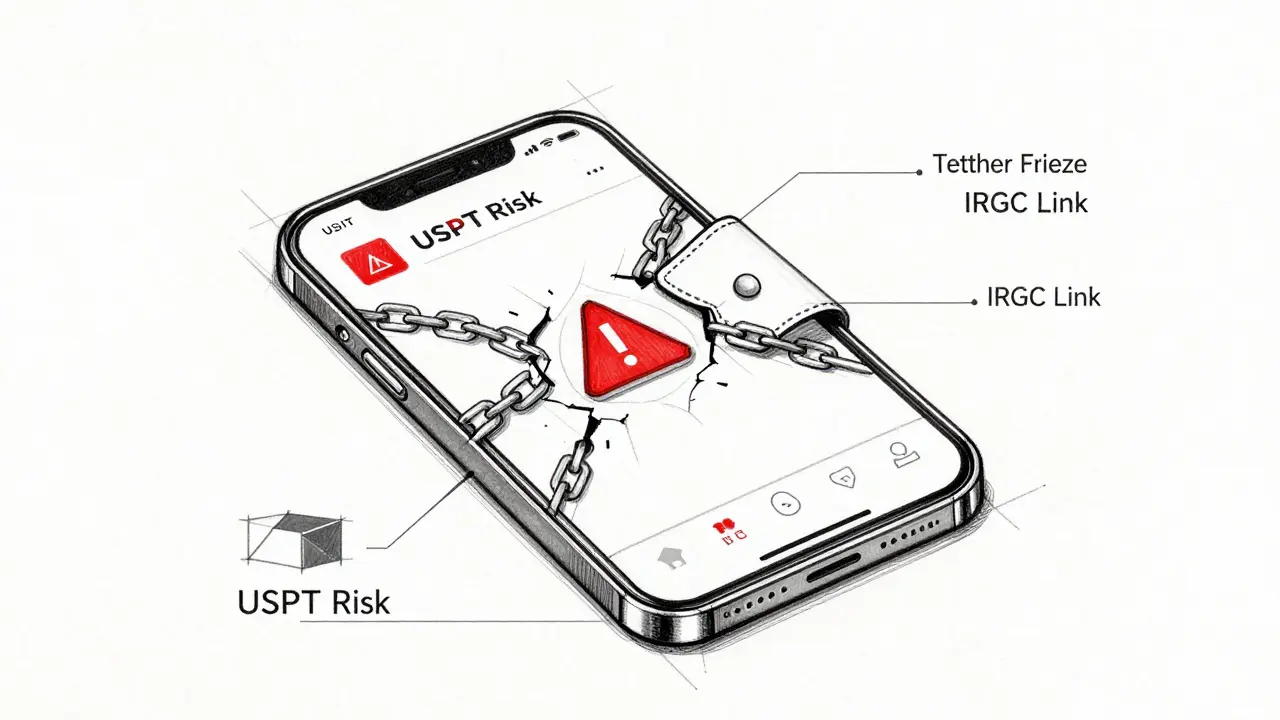
For years, Tether (USDT) was the lifeline for Iranian traders. It was easy to use, widely accepted, and seemed neutral. That illusion shattered in July 2025. On July 2, Tether executed its largest-ever compliance crackdown, freezing 42 cryptocurrency addresses linked to Iranian entities. This wasn’t a minor glitch. These wallets held substantial value, and more than half had direct transactional flows to Nobitex, Iran's largest cryptocurrency exchange serving over 11 million users.
Here is the hard truth: any exchange that relies heavily on USDT poses a severe asset seizure risk for you. When Tether freezes an address, they don’t just pause transactions; they lock the funds indefinitely while investigating. If your exchange uses USDT as its primary reserve currency or trading pair, your money is sitting in a building owned by a company that answers to U.S. regulators. In October 2025, following the reactivation of certain UN sanctions, this risk intensified. Tether’s compliance team now scans for patterns associated with the Islamic Revolutionary Guard Corps (IRGC). Even if you are just buying groceries, if your exchange interacts with flagged IRGC-affiliated addresses, your account could get swept up in the net.
- Avoid exchanges where USDT is the only or primary stablecoin option.
- Do not assume "private" exchanges are safe from Tether’s blockchain analysis.
- Understand that Tether can freeze funds without warning if their algorithms detect high-risk geographic links.
Nobitex: The High-Risk Domestic Giant
You might think sticking to local platforms keeps you out of international crosshairs. Unfortunately, Nobitex proves otherwise. As Iran’s dominant exchange, it handles massive volume. However, in June 2025, Nobitex suffered a devastating hack exceeding $90 million. While hacks happen globally, the aftermath revealed deeper issues. Blockchain analytics firm Elliptic linked Nobitex to a network of wallets exhibiting behaviors consistent with IRGC-aligned financial activity.
This connection is critical. International authorities view Nobitex not just as a trading venue, but as part of Iran’s cross-border sanctions evasion apparatus. Being labeled "critical infrastructure" for sanctions evasion makes the exchange a prime target for enforcement actions. For ordinary users, this means two things: first, your assets are at risk from hackers who know the security may be strained. Second, your accounts are under constant surveillance by both domestic and international watchdogs. Using an exchange that is effectively on a sanctions watchlist increases the likelihood that your personal data and funds will be exposed or frozen during future coordinated strikes.
Tier-1 International Exchanges: The Compliance Wall
If local exchanges are risky due to hacking and political ties, what about the big global names? Platforms like Coinbase, a major U.S.-based cryptocurrency exchange known for strict regulatory compliance, Binance, and Kraken are often seen as safer havens because of their size and reputation. For Iranian users, they are arguably the most dangerous places to start.
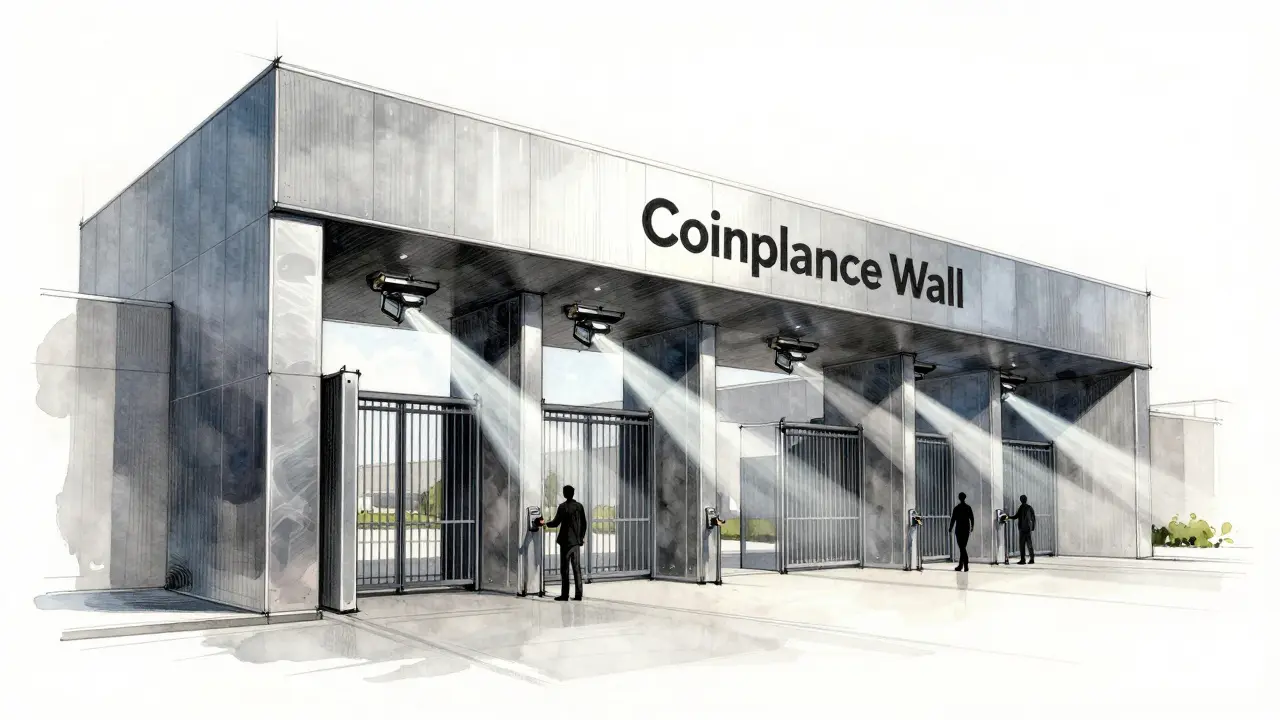
These tier-1 platforms operate under intense scrutiny from the U.S. Department of the Treasury’s Office of Foreign Assets Control (OFAC). They implement automated sanctions screening that blocks IP addresses, bank transfers, and even blockchain addresses associated with Iran. If you try to sign up using an Iranian IP or link a bank account tied to the region, your account will likely be banned immediately. Worse, if you manage to bypass initial checks, subsequent updates to their compliance software can trigger retroactive bans. Your funds won’t just be inaccessible; they may be confiscated and reported to authorities. There is no customer support appeal process that works against OFAC mandates. Do not gamble with these platforms.
| Exchange Type | Primary Risk | Recent Incident (2025) | Safety Verdict |
|---|---|---|---|
| USDT-Heavy Local Exchanges | Asset Freeze by Tether | July 2025 Mass Freeze | High Risk |
| Domestic Giants (e.g., Nobitex) | Hacking & Sanctions Labeling | $90M Hack / Elliptic Report | Extreme Risk |
| Tier-1 Global (Coinbase/Kraken) | Immediate Ban & Confiscation | Ongoing OFAC Enforcement | Prohibited |
| Unregulated P2P Platforms | Fraud & Exit Scams | Rising informal sector scams | Very High Risk |
The Stablecoin Cap: Navigating New Government Limits
It’s not just international pressure causing headaches. The Iranian government tightened its own leash in September 2025. Deputy Central Bank Governor Asghar Abolhasani announced strict limits on stablecoin holdings. Individuals and legal entities can now purchase a maximum of $5,000 annually and hold no more than $10,000 at any time. If you were found holding more, you received a one-month deadline to comply, with unspecified penalties for non-compliance.
This regulation specifically targets platforms facilitating large stablecoin transactions. If you use an exchange that allows unlimited stablecoin deposits or lacks reporting mechanisms, you put yourself at odds with domestic law. Licensed exchanges within Iran must now submit comprehensive transaction data for government transparency. This creates a privacy paradox: using a licensed exchange protects you from some international risks but exposes your financial history to domestic oversight. Unlicensed platforms offer privacy but leave you vulnerable to shutdowns and fraud. There is no perfect solution, but avoiding platforms that encourage hoarding large amounts of stablecoins is crucial.
Unregulated Platforms and the Informal Market
As licensed exchanges face stricter rules, many users turn to informal or unregulated trading platforms. The Iran FinTech Association and Iran Blockchain Association have warned that this shift endangers approximately 15 million crypto users. These informal platforms often lack proper security infrastructure, customer support, or legal recourse. They are breeding grounds for exit scams, where operators disappear with user funds once trust is established.
Furthermore, draft regulations suggest that official platforms may soon be required to label or trace users’ wallets, especially those connected to bank-linked services. This means that even if you find a seemingly safe unregulated peer-to-peer (P2P) marketplace, the underlying technology could eventually be forced to comply with tracing requirements, exposing your identity. Relying on anonymous Telegram groups or obscure websites for trades is a gamble with your entire portfolio. Without insurance or regulatory backing, you have zero protection if things go wrong.
Tax Implications and Reporting Burdens
In August 2025, Iran enacted the Law on Taxation of Speculation and Profiteering. This introduced capital gains taxes on cryptocurrency trading for the first time, placing crypto alongside gold, real estate, and forex. Exchanges that cannot adequately report trading activities to Iranian tax authorities become liabilities for their users. If you trade on a platform that doesn’t integrate with the new tax framework, you risk audits and penalties later. Conversely, platforms that do integrate may share your data too freely. Choosing an exchange requires balancing international anonymity with domestic tax compliance-a difficult tightrope walk.
Practical Steps to Protect Your Assets
So, what should you actually do? First, diversify away from USDT. Influencers and domestic channels began urging users to move toward alternatives like DAI via the Polygon network after the July 2025 freezes. DAI is decentralized and less susceptible to single-entity freezes. Second, never keep large sums on any exchange, whether local or international. Use self-custody wallets where possible, though be aware that moving funds to cold storage can still attract attention if the source address is flagged. Third, stay informed about regulatory changes. The landscape shifts monthly. What was safe in January 2026 may be illegal by June. Finally, avoid any exchange promoted exclusively through government-affiliated media channels like Tasnim News Agency, as these often carry hidden sanctions risks or political agendas that could compromise your assets.
Is it safe to use Binance if I am in Iran?
No. Binance, like other major international exchanges, complies strictly with U.S. and UN sanctions. Using it from an Iranian IP address or with Iranian banking details will likely result in an immediate ban and potential confiscation of funds. There is no reliable way to bypass these checks long-term.
Why did Tether freeze Iranian wallets in 2025?
Tether froze wallets to comply with international sanctions targeting entities linked to the Islamic Revolutionary Guard Corps (IRGC). Their blockchain analysis identified transaction flows between Iranian exchanges and sanctioned addresses, leading to mass freezes to avoid legal penalties in Western jurisdictions.
What is the limit on stablecoin holdings in Iran?
As of September 2025, individuals can purchase a maximum of $5,000 in stablecoins annually and hold no more than $10,000 at any given time. Exceeding these limits can result in penalties and forced compliance measures.
Are local Iranian exchanges safe from hackers?
Not necessarily. Major local exchanges like Nobitex have suffered significant hacks, including a $90 million loss in June 2025. Security standards vary, and the high-profile nature of these platforms makes them attractive targets for cybercriminals.
Should I switch from USDT to DAI?
Many experts recommend considering decentralized stablecoins like DAI as an alternative to USDT to reduce exposure to single-entity freeze risks. However, you must ensure your chosen exchange supports DAI and understand the liquidity implications before making a full switch.