
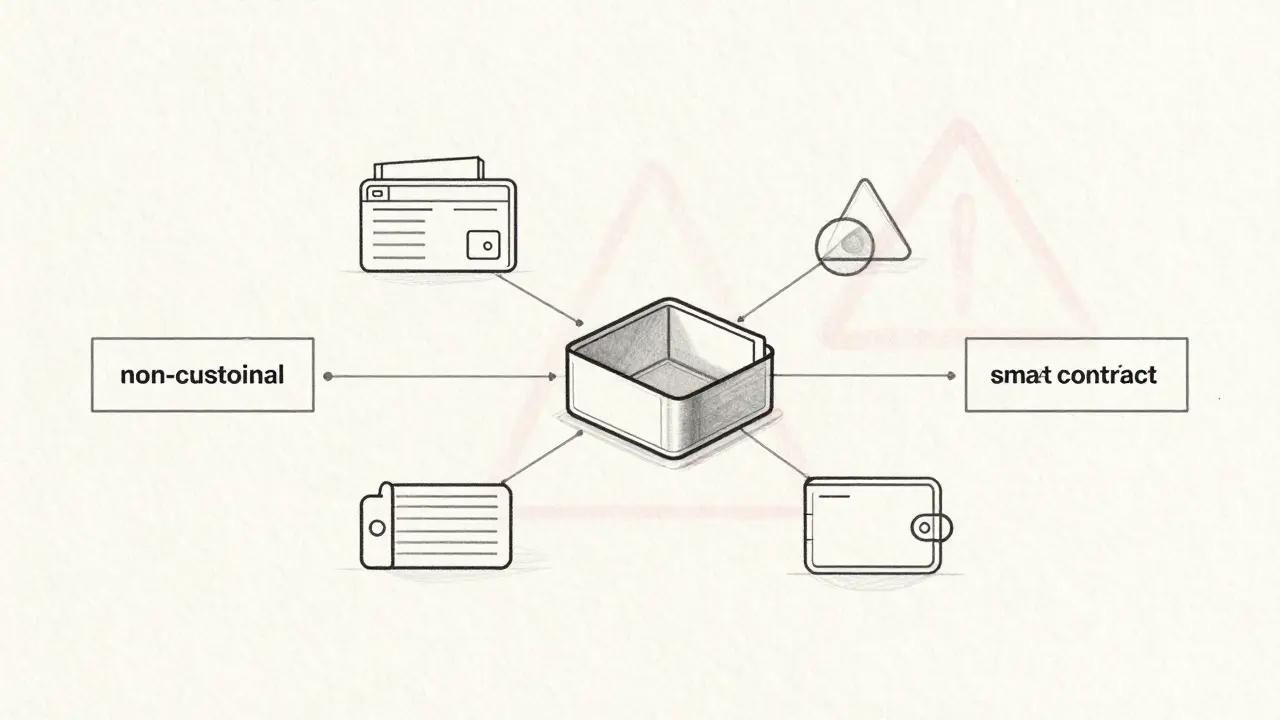
There is no such thing as a traditional "Crema Finance" crypto exchange. If you are searching for this name, you have likely stumbled upon C.R.E.A.M. Finance, which stands for "Crypto Rules Everything Around Me." This is not a centralized platform where you deposit funds and trade with a button click. Instead, it is a decentralized finance (DeFi) lending protocol built on smart contracts. Understanding this distinction is critical before you connect your wallet. One wrong move in DeFi can mean permanent loss of funds, whereas an exchange typically offers customer support and recovery options.
In this review, we break down what C.R.E.A.M. actually does, why its history raises serious red flags, and whether it still holds any value in the 2026 landscape. We will look at the security incidents, the current multi-chain strategy, and the reality behind the token price predictions that circulate online.
What Is C.R.E.A.M. Finance?
C.R.E.A.M. Finance is a non-custodial lending protocol that allows users to lend cryptocurrency to earn interest or borrow against their collateral without intermediaries. Founded by Jeffrey Huang in August 2020, the project launched by forking code from established protocols like Compound Finance. A fork means they copied the existing source code and modified it slightly. The team initially added features to support riskier assets, such as liquidity provider tokens from Curve Finance and Uniswap.
The core promise was simplicity and yield. By allowing users to deposit assets that were previously excluded from conservative lending platforms, C.R.E.A.M. aimed to capture higher returns. However, this approach came with a significant trade-off: increased complexity and heightened risk. Unlike a bank or a regulated exchange, there is no insurance fund to cover losses if the smart contract fails.
- Lending: Deposit stablecoins or volatile assets to earn variable interest rates.
- Borrowing: Use your crypto holdings as collateral to take out loans in other assets.
- Governance: Holders of the CREAM token vote on protocol changes and asset listings.
The Security Record: A History of Exploits
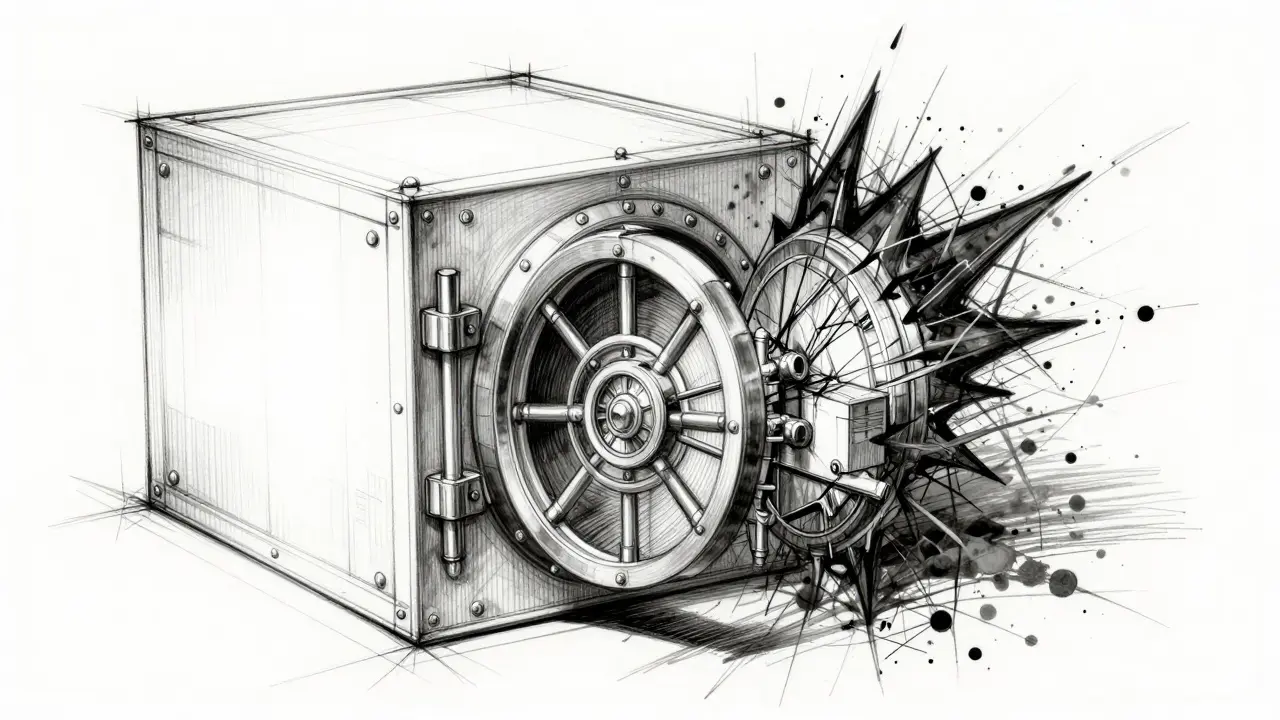
If you are new to DeFi, the security history of C.R.E.A.M. Finance should be your primary concern. The protocol has suffered multiple high-profile hacks since its inception. In May 2021, attackers exploited a vulnerability in the flash loan mechanism, draining over $13 million from the protocol. Later in December 2021, another exploit targeted the Fantom chain deployment, resulting in further losses.
These incidents were not minor glitches; they exposed fundamental weaknesses in how the protocol managed risk and validated transactions. Following these breaches, the team implemented several fixes, including enhanced price oracle redundancy using Chainlink and Band Protocol. They also introduced flash loan caps and permissioned asset whitelisting to prevent similar attacks.
Despite these improvements, trust is hard to rebuild. In early reports, founder Jeffrey Huang controversially stated that external audits were unnecessary because the original codebases (like Compound) had already been audited. This stance was widely criticized by the security community, as forking code introduces new variables and potential bugs that require independent verification. Today, the protocol undergoes bi-monthly audits with firms like SlowMist and MixBytes, but the past remains part of the record.
Multi-Chain Deployment and Current Status
As of 2025 and into 2026, C.R.E.A.M. Finance has shifted its focus to a multi-chain strategy. The protocol is deployed across several EVM-compatible networks, including:
- Ethereum: The mainnet where most liquidity resides, though gas fees remain high.
- BNB Chain: Offers lower transaction costs and faster finality.
- Polygon: Popular for scalable DeFi applications.
- Fantom: Where some of the earlier exploits occurred.
- Arbitrum and Base: Newer deployments aiming to tap into growing Layer 2 ecosystems.
This expansion allows users to access lending services with lower fees compared to Ethereum mainnet. However, it also increases the attack surface. Each chain requires separate monitoring and security measures. The total value locked (TVL) in the protocol has fluctuated significantly, peaking at around $200 million during the DeFi boom but settling at much lower levels as competition intensified.
| Feature | C.R.E.A.M. Finance | Centralized Exchange (e.g., Coinbase) |
|---|---|---|
| Custody | User-controlled (non-custodial) | Platform-controlled (custodial) |
| Risk Profile | High (smart contract risk, impermanent loss) | Medium (platform hack, regulatory risk) |
| Security Audits | Bi-monthly by third parties | Continuous internal and external |
| Recovery Options | None (transactions are irreversible) | Customer support may assist |
| Yield Potential | Variable, often higher | Fixed or low, often lower |
Token Performance and Price Predictions
The CREAM token serves as the governance instrument for the protocol. As of mid-2026, the token trades at approximately $1.09 USD, with a market capitalization of roughly $2 million. This represents a significant decline from its all-time highs, reflecting both broader market trends and specific concerns about the protocol's viability.
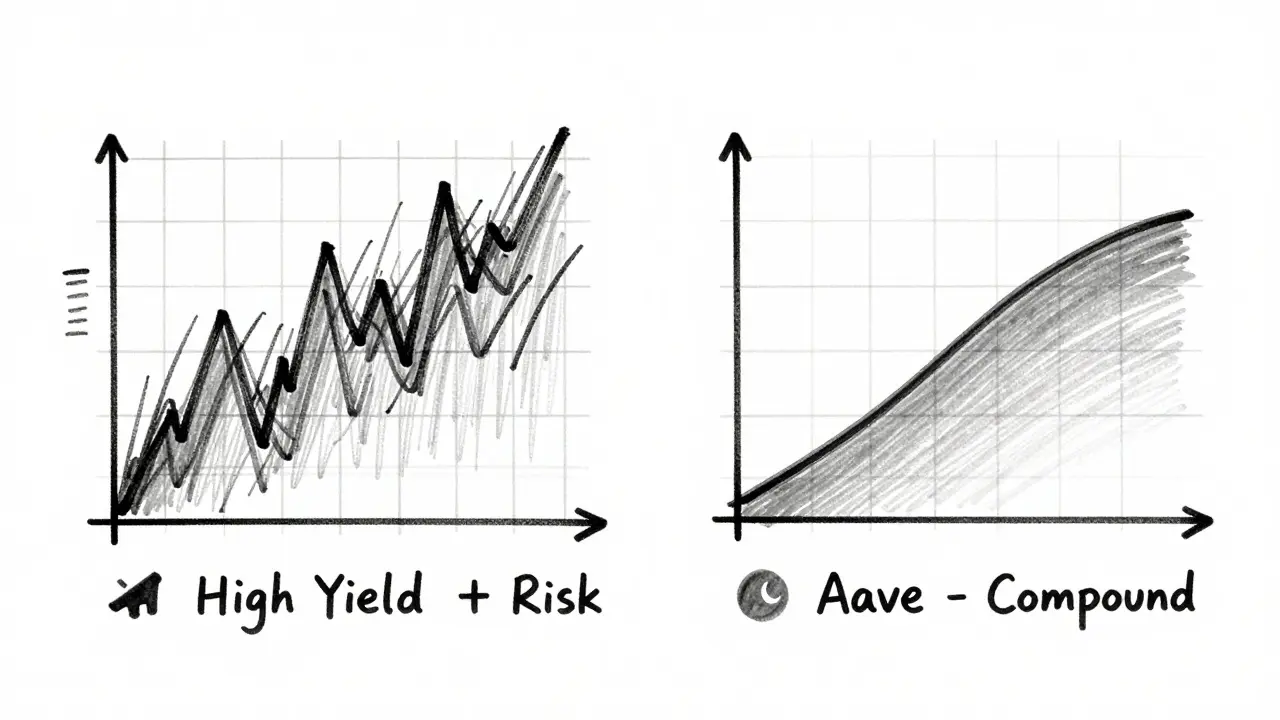
Some analysts have released bullish price predictions for late 2025 and 2026, suggesting targets between $45 and $48 per token. These projections appear disconnected from current fundamentals. The circulating supply is limited, and trading volume has decreased. Such optimistic forecasts often ignore the competitive pressure from more secure and established lending protocols like Aave and Compound.
Investors should treat these predictions with extreme skepticism. In DeFi, token value is closely tied to protocol usage and revenue generation. With TVL remaining subdued and security concerns lingering, there is little evidence to support a sudden resurgence in token price. Short-term dips may present buying opportunities for speculative traders, but they carry substantial downside risk.
Who Should Avoid C.R.E.A.M. Finance?
Not every DeFi protocol is suitable for every user. You should probably stay away from C.R.E.A.M. Finance if:
- You are new to cryptocurrency and do not understand how wallets, gas fees, and smart contracts work.
- You cannot afford to lose the entire amount you plan to deposit.
- You prefer the convenience and safety net of a regulated exchange.
- You are seeking guaranteed returns rather than variable yields based on market conditions.
For experienced DeFi users, C.R.E.A.M. might offer niche opportunities, particularly on chains with lower competition. However, even seasoned investors must conduct thorough due diligence. Check the latest audit reports, monitor the governance forum for upcoming changes, and never allocate more than a small percentage of your portfolio to high-risk protocols.
Alternatives to Consider
If you are looking for safer lending options, consider established protocols with longer track records and deeper security histories:
- Aave: Offers a wide range of assets across multiple chains with robust risk management systems.
- Compound: The original lending protocol that C.R.E.A.M. forked, known for its stability and transparency.
- MakerDAO: Focuses on stablecoin issuance and borrowing, providing a different risk profile.
These alternatives may offer lower yields in some cases, but they provide greater peace of mind regarding security and operational continuity. Always compare annual percentage rates (APR), supported assets, and minimum deposit requirements before making a decision.
Is Crema Finance a scam?
No, C.R.E.A.M. Finance is not a scam in the sense of a fraudulent scheme designed to steal funds directly. It is a legitimate DeFi protocol with open-source code and active development. However, it has suffered from significant security vulnerabilities and hacks in the past, leading to user losses. The term "scam" is often misused in crypto; the real issue here is smart contract risk, not intentional fraud by the founders.
Can I buy CREAM token on Binance or Coinbase?
Availability varies by region and exchange policy. As of 2026, CREAM is listed on several major exchanges, including Binance and KuCoin, but it may not be available on Coinbase due to stricter listing criteria. Always check the official exchange announcements for the most up-to-date information. Trading on decentralized exchanges like Uniswap is also possible but carries higher slippage and counterparty risks.
Why did C.R.E.A.M. Finance get hacked?
The hacks were primarily due to vulnerabilities in the smart contract code, specifically related to flash loans and price manipulation. Attackers exploited these flaws to drain funds from the protocol. While the team has since implemented additional security measures, including better oracles and flash loan caps, the initial incidents highlighted the dangers of rushing to deploy complex financial systems without sufficient testing.
Is C.R.E.A.M. Finance safe to use in 2026?
Safety in DeFi is relative. C.R.E.A.M. Finance has improved its security posture with regular audits and multi-chain deployments. However, it still carries higher risk compared to older, more battle-tested protocols. If you choose to use it, start with small amounts, enable all available security settings on your wallet, and stay informed about governance updates. Never invest more than you can afford to lose.
What is the difference between C.R.E.A.M. and Compound?
Compound is the original lending protocol that C.R.E.A.M. forked. Compound focuses on stability and supports a curated list of blue-chip assets. C.R.E.A.M. expanded on this model by allowing riskier assets, such as LP tokens, to generate higher yields. This made C.R.E.A.M. more attractive for yield farmers but also increased its exposure to volatility and smart contract risks. Compound generally has a larger total value locked and a stronger reputation for security.