
There’s no such thing as a legitimate CovidToken airdrop. Not now, not in 2025, and not in 2026. If you’ve seen ads, Telegram groups, or YouTube videos promising free tokens from a project called CovidToken, you’re being targeted by a scam.
Let’s be clear: no major crypto project, exchange, or blockchain platform has ever launched a token called CovidToken. Not CoinGecko. Not Airdrops.io. Not TokenMetrics. Not even obscure trackers. Zero verified mentions. Zero official websites. Zero blockchain activity. And yet, people are still falling for it.
Why? Because scammers know how to ride fear. During the pandemic, people were anxious. They lost jobs. They worried about health. They scrolled for answers. Scammers turned that fear into a fake crypto opportunity: "Get free tokens if you help fight COVID!" It’s not just misleading-it’s cruel.
How These Scams Work
Here’s how a fake CovidToken airdrop usually plays out:
- You click a link that says "Claim Your CovidToken Airdrop Now!"
- The site asks you to connect your MetaMask or Trust Wallet.
- Then it says you need to send a small amount of ETH or BNB to "activate" your wallet for the distribution.
- Once you send the funds? Gone. No tokens. No refund. No response.
Some versions ask you to share the link on Twitter or join a Discord server. That’s just a bot farm pushing fake engagement to make the scam look real. They’ll even post fake screenshots of "wallet snapshots" and "token allocations"-all made in Photoshop.
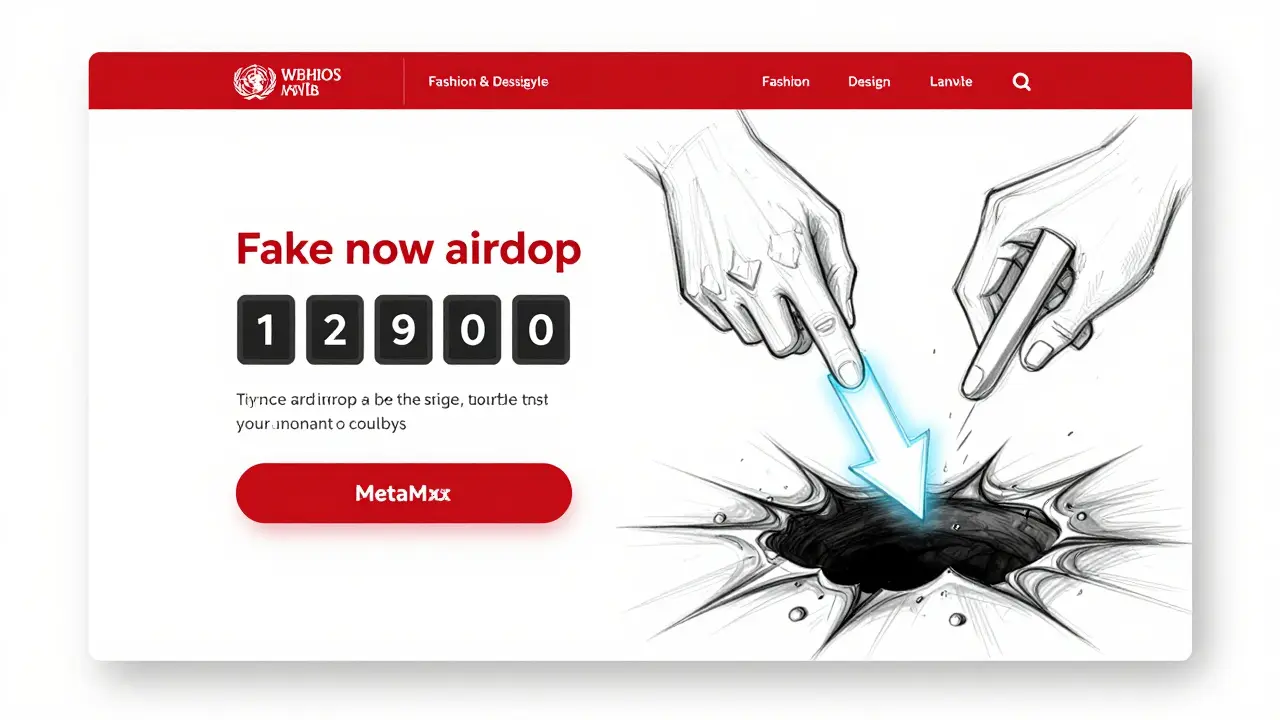
These scams don’t even bother to create a whitepaper. No team names. No GitHub repo. No roadmap. Just a landing page with a red-and-white color scheme (to mimic WHO branding) and a countdown timer.
Why No Real Project Would Use "CovidToken"
Legitimate crypto projects avoid using pandemic-related names for one simple reason: ethics. Associating a financial product with a global health crisis is not just bad taste-it’s illegal in many countries.
Regulators like the SEC and FCA have cracked down on crypto projects that exploit public suffering. In 2021, the UK’s Financial Conduct Authority shut down a similar project called "CoronaCoin" after it raised over $2 million from desperate people. The founders were later prosecuted for fraud.
Even if someone wanted to launch a crypto project tied to pandemic relief, they wouldn’t call it CovidToken. They’d use a name like "HealthChain" or "PandemicResponseFund"-something that signals purpose, not exploitation.
How to Spot a Fake Airdrop
Here’s how to tell if an airdrop is real or a trap:
- Real airdrops never ask for your private key. Ever. If a site says "paste your seed phrase to claim," run.
- Real airdrops don’t require upfront payments. If you have to send crypto to get crypto, it’s a pump-and-dump.
- Check the official channels. Look for the project’s website, Twitter, and Discord. Are they verified? Do they have real followers and replies? Or just bots and spam?
- Search on Airdrops.io or CoinGecko. If it’s not listed there, it’s not real. CoinGecko tracks over 12,000 crypto projects. If CovidToken doesn’t appear, it doesn’t exist.
- Look at the blockchain. Use Etherscan or BscScan to search for the token contract. If there’s no transaction history or liquidity pool, it’s a ghost.
What Happens If You Fall for It?
People lose money fast. In 2024, over 3,700 reports were filed with the FTC about fake crypto airdrops. The average loss? $1,200. Many victims lost their entire wallet balance because they connected their wallet to a malicious site.
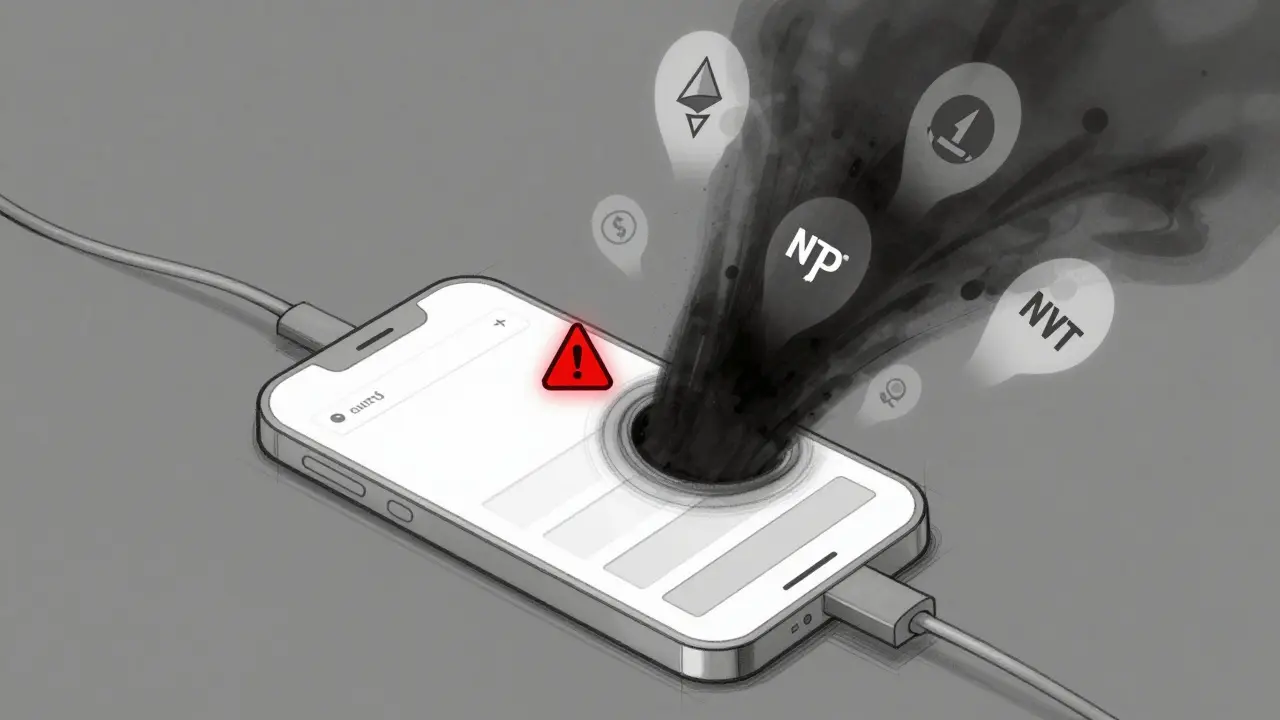
Once a scammer gets access to your wallet, they drain every asset: ETH, USDT, NFTs, even staked assets. And because blockchain transactions are irreversible, there’s no way to undo it.
Some scammers even sell your wallet info on dark web forums. Next thing you know, you’re getting phishing emails pretending to be from Coinbase or Binance.
Legitimate Airdrops to Watch in 2026
If you’re looking for real airdrops, here are a few that have real traction and public tracking:
- Meteora - Solana-based DeFi platform with a public snapshot schedule.
- Hyperliquid - Centralized exchange that airdropped to early users in late 2025.
- Abstract - Modular blockchain protocol with a documented eligibility window.
- Starknet - Layer 2 Ethereum scaling solution that distributed tokens to early testers.
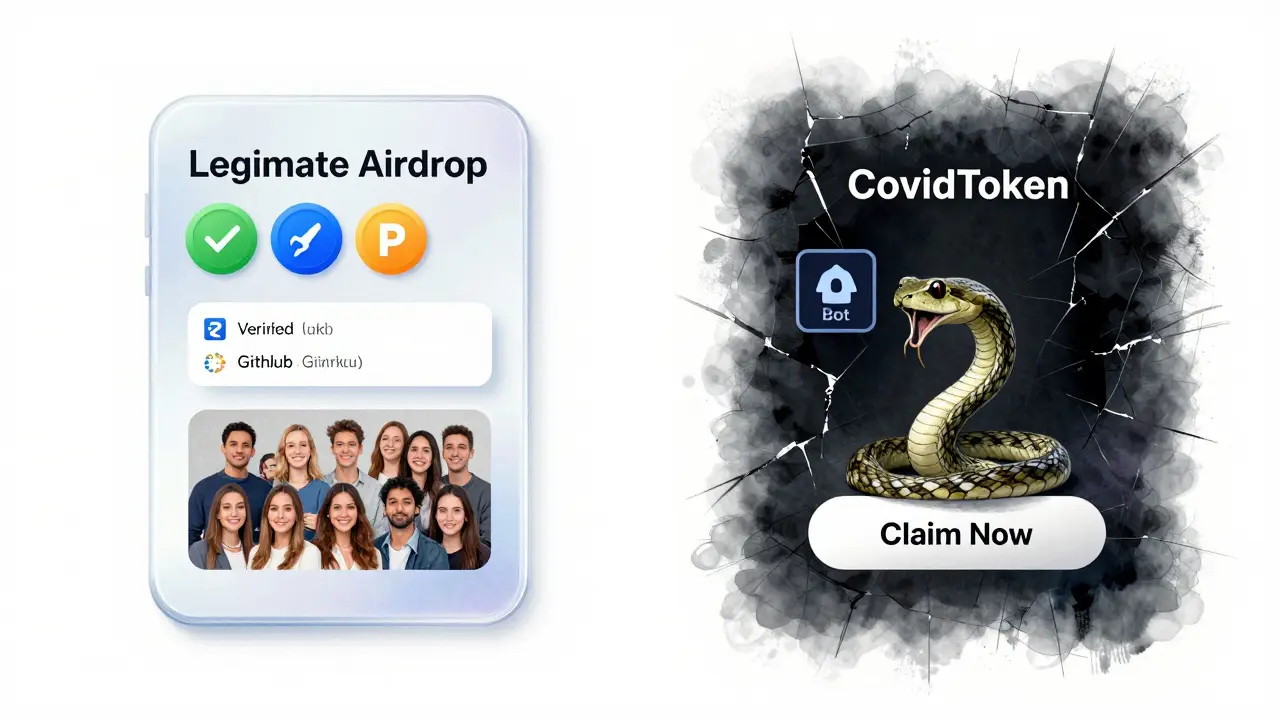
All of these have public documentation, GitHub repositories, and verified team members. They don’t need to hype up fake pandemic relief to get attention.
What to Do If You’ve Already Been Scammed
If you sent crypto to a CovidToken site:
- Disconnect your wallet from all suspicious sites using MetaMask’s "Connected Sites" settings.
- Move any remaining funds to a new wallet-never reuse the compromised one.
- Report the scam to the FTC at reportfraud.ftc.gov or your local financial regulator.
- Warn others. Post on Reddit, Twitter, or crypto forums with the scam URL.
There’s no recovery service that can get your funds back. But you can stop others from losing theirs.
Final Warning
Crypto airdrops are not charity. They’re marketing tools. Real ones are transparent, documented, and never ask for money upfront. Fake ones prey on urgency and emotion.
CovidToken? Doesn’t exist. The airdrop? A trap. Save yourself the loss-and the guilt-by walking away. No free token is worth your security.
Is there a real CovidToken airdrop in 2026?
No, there is no legitimate CovidToken airdrop. No major crypto platform, exchange, or blockchain project has ever launched a token by that name. All claims about a CovidToken airdrop are scams designed to steal your crypto or private keys.
Why do people keep falling for the CovidToken scam?
Scammers use emotional triggers tied to the pandemic-fear, guilt, and the desire to help. By pretending the airdrop supports pandemic relief, they make victims feel like they’re doing good while giving away their funds. The fake websites look professional, and the timing often coincides with anniversaries of pandemic lockdowns.
Can I get a refund if I sent crypto to a CovidToken site?
No, you cannot get a refund. Blockchain transactions are irreversible. Once your crypto leaves your wallet, it’s gone. The best you can do is stop further damage by disconnecting your wallet and reporting the scam.
How do I check if an airdrop is real?
Check official sources: the project’s website, verified Twitter/X account, and platforms like CoinGecko or Airdrops.io. Real airdrops never ask for your private key, seed phrase, or upfront payment. Look for public documentation, team names, and blockchain activity.
What should I do if I connected my wallet to a fake airdrop site?
Immediately disconnect your wallet from all connected sites through your wallet’s settings. Move all remaining funds to a new wallet. Do not reuse the old one. Report the scam to your local financial regulator and warn others online to prevent more victims.


