
There’s no verified information about Chainrift crypto exchange. No official website, no regulatory filings, no user reviews on trusted platforms like Trustpilot or Reddit, and no mention in major crypto news outlets like CoinDesk or Cointelegraph. That’s not just quiet-it’s a red flag.
Why You Can’t Find Anything About Chainrift
If a crypto exchange doesn’t exist in public records, it’s not because it’s hidden. It’s because it’s not real. Legitimate exchanges-whether big like Kraken or smaller ones like Bitvavo-are transparent. They list their company registration, physical address, compliance certifications, and security audits. Chainrift has none of that. You might see ads on social media or Telegram groups pushing Chainrift as a "new, high-yield platform" with instant withdrawals and zero fees. That’s classic bait. Scammers love targeting people who want quick profits and don’t know how to check legitimacy.What a Real Crypto Exchange Should Have
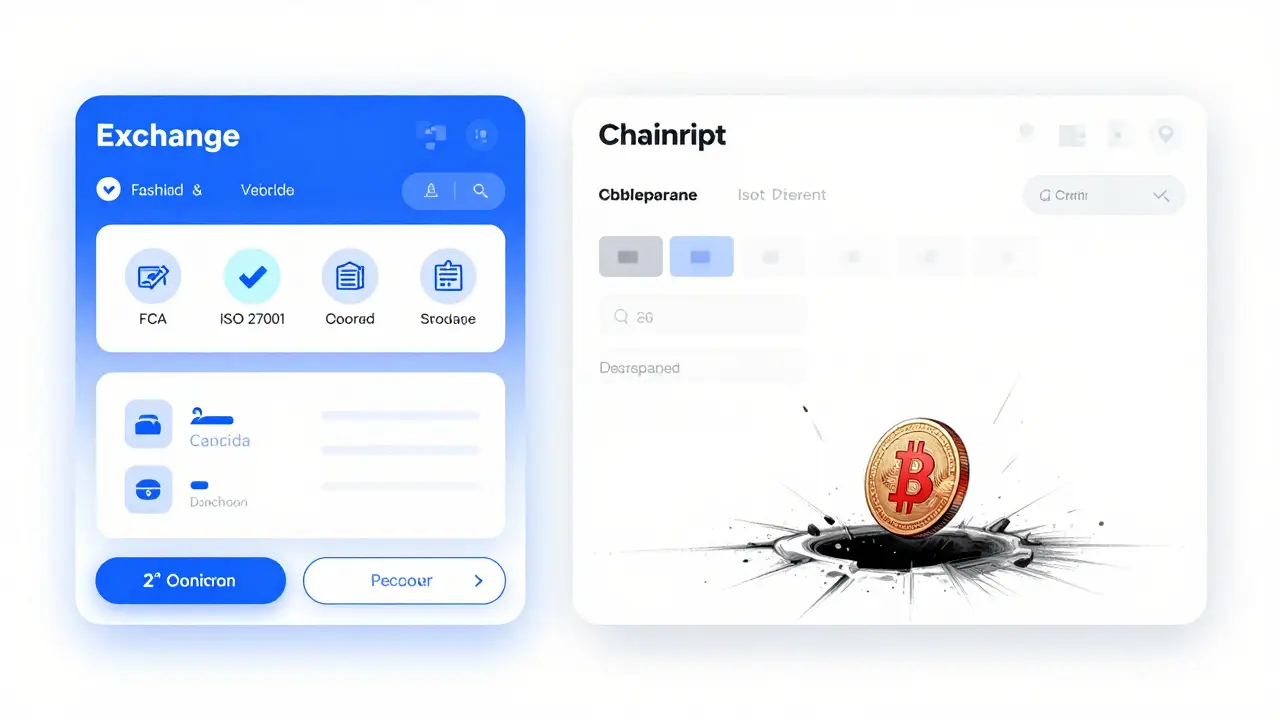
Before you deposit even $10 into any platform, ask these five questions. If the answer is unclear or missing, walk away.- Is it registered with a financial authority? Look for licenses from bodies like the U.S. FinCEN, the UK’s FCA, or New Zealand’s FMA. If Chainrift claims to be "regulated," ask for the license number. Then check it on the regulator’s official website.
- Does it use cold storage? Reputable exchanges store 90%+ of user funds offline, in hardware wallets disconnected from the internet. Kraken, for example, keeps assets in secure vaults with armed guards and biometric access. Chainrift doesn’t publish any details about its storage methods-because it doesn’t have any.
- Is there two-factor authentication (2FA)? All serious exchanges support FIDO2 WebAuthn or TOTP-based 2FA. SMS-based recovery is a sign of weak security. If Chainrift only asks for a password and email, that’s a major risk.
- Are withdrawals locked or delayed? Legit platforms allow instant withdrawals to verified addresses. Scam exchanges delay or block withdrawals until you deposit more money or pay "processing fees." If you can’t withdraw after 24 hours, it’s a trap.
- Is there insurance or a reserve fund? Binance has SAFU, Coinbase has custodial insurance through Lloyd’s of London. If Chainrift doesn’t mention any fund protection, assume your money isn’t covered if things go wrong.
Red Flags That Chainrift Is a Scam
Here are the exact signs you’ll see if you’re being targeted by Chainrift:- They use fake testimonials with stock photos and generic names like "John D., Texas" or "Maria L., Germany." Real users don’t post like that.
- They promise guaranteed returns-"Earn 5% daily!"-which violates basic crypto economics. No exchange can guarantee returns.
- They pressure you to act fast: "Limited slots!" or "Offer expires in 2 hours!" Real platforms don’t use countdown timers.
- They ask you to send crypto to an address they control, not your own wallet. If you’re depositing into a wallet they give you, you’re handing over your money.
- They don’t have a support team that answers in real time. Try emailing them. If you get a generic auto-reply or no reply at all, that’s confirmation.
What Happens When You Deposit
If you’ve already sent funds to Chainrift, here’s what likely happened:- You sent Bitcoin, Ethereum, or another coin to a wallet address provided by the platform.
- The address was controlled by a scammer, not a legitimate exchange.
- Your funds were instantly moved to a mixer or exchanged for Monero or other untraceable coins.
- You can’t withdraw because there’s no backend system-just a fake website running on a rented server.
- Within hours, the site disappears. The domain is dropped. The Telegram group is deleted.
How to Protect Yourself
Don’t trust hype. Don’t trust influencers. Don’t trust promises of easy money. Here’s how to stay safe:- Use only exchanges with a public track record: Kraken, Coinbase, Bitstamp, or regional ones like Independent Reserve (Australia/NZ).
- Check CryptoCompare or Crypto Facilities for verified listings.
- Search for "[exchange name] scam" on Google. If you see multiple reports, avoid it.
- Use a hardware wallet like Ledger or Trezor to store your crypto. Never leave funds on an exchange longer than needed.
- Enable 2FA on every account. Use an authenticator app, not SMS.
Where to Trade Instead
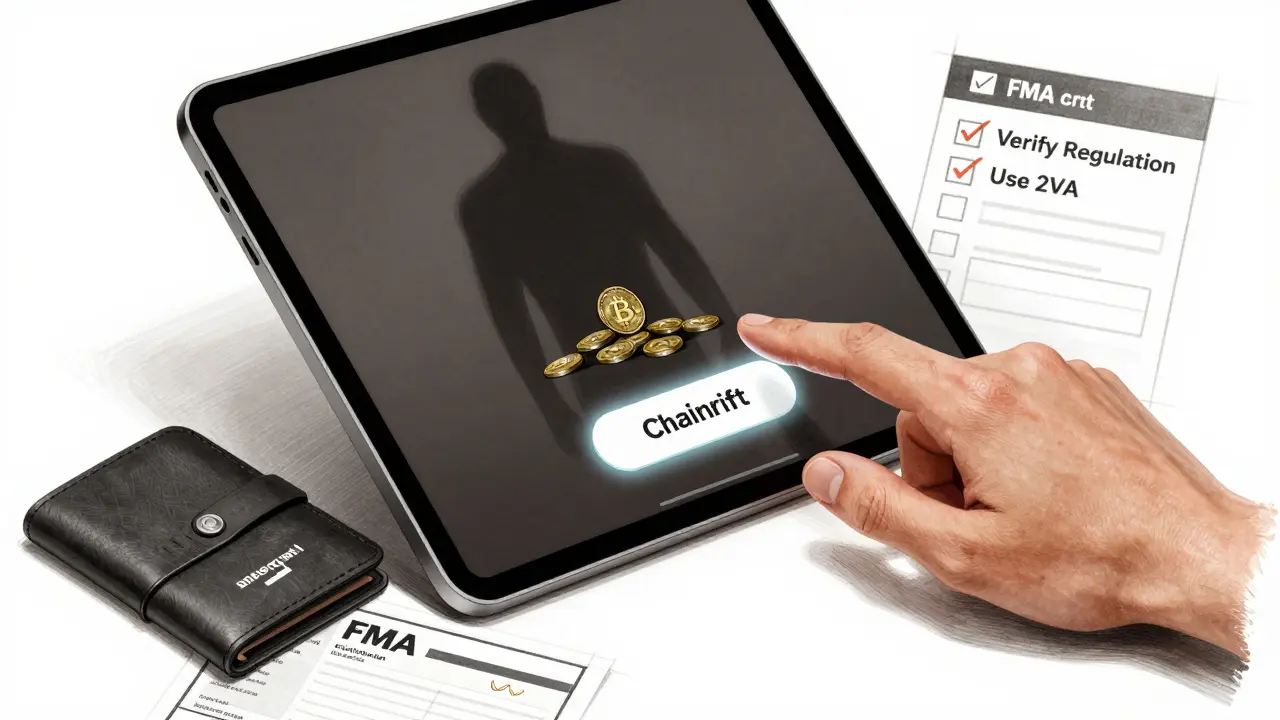
If you’re in New Zealand, Independent Reserve is licensed by the FMA and supports NZD deposits. It’s been operating since 2013. Kraken accepts NZD via bank transfer and has ISO 27001 certification. Both have public security reports and real customer support. Chainrift isn’t a hidden gem. It’s a ghost. And ghosts don’t hold your money-they take it.Is Chainrift a real crypto exchange?
No, Chainrift is not a real crypto exchange. There are no official records, regulatory licenses, security audits, or user reviews that verify its existence. All available evidence points to it being a scam platform designed to steal funds from unsuspecting users.
Why can’t I find Chainrift on CoinMarketCap or CoinGecko?
Because Chainrift doesn’t exist as a legitimate trading platform. CoinMarketCap and CoinGecko only list exchanges that meet strict criteria: verified ownership, regulatory compliance, public security practices, and active trading volume. Chainrift meets none of these.
Can I get my money back if I deposited into Chainrift?
Almost certainly not. Once crypto is sent to a scam exchange, it’s moved quickly through mixers or converted to untraceable coins. There’s no customer service, no refund policy, and no legal entity to hold accountable. The best you can do is report it to your local financial authority and warn others.
What should I look for in a safe crypto exchange?
Look for: regulatory licensing, cold storage usage, two-factor authentication (2FA), public security audits, insurance coverage for user funds, and verified customer support. Avoid platforms that promise high returns, pressure you to deposit quickly, or don’t let you withdraw easily.
Is Chainrift banned in New Zealand?
Chainrift isn’t officially banned because it’s not a registered entity anywhere. The New Zealand Financial Markets Authority (FMA) warns against unlicensed platforms like this. If a platform isn’t on their approved list, treat it as high-risk. Always use FMA-licensed exchanges like Independent Reserve.


