
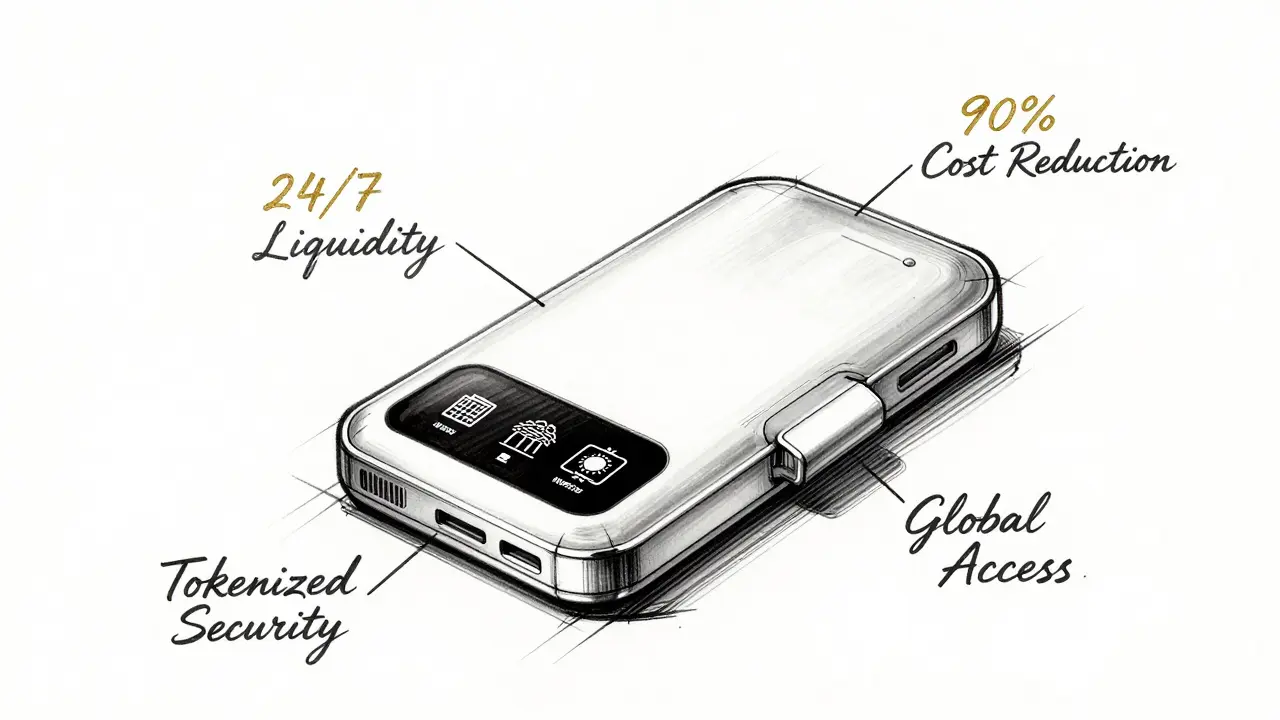
Imagine buying a slice of a luxury apartment in London or investing in a private tech startup without needing hundreds of thousands of dollars upfront. For decades, these opportunities were locked behind high minimums and complex paperwork. Today, that wall is crumbling thanks to tokenized securities. These are not just hype; they represent a fundamental shift in how we own, trade, and manage value.
Tokenized securities are digital representations of real-world assets-like stocks, bonds, real estate, or art-issued on a blockchain. Unlike Bitcoin, which has no underlying physical asset, a tokenized security derives its value from something tangible or financial. It’s like taking a traditional stock certificate, scanning it into a secure digital ledger, and programming it with rules that automate everything from dividend payments to compliance checks. This bridge between old-school finance and new-school technology solves some of the biggest headaches in investing today.
Unlocking Liquidity in Illiquid Assets
The most immediate benefit you’ll notice is liquidity. In traditional finance, many valuable assets are "illiquid." Think about commercial real estate or private equity. If you own a building, selling it can take months. You need brokers, lawyers, and buyers who have massive amounts of cash ready. Meanwhile, an estimated $4 trillion sits locked up in private equity alone, earning little return because it can’t be easily traded.
Tokenization changes this by enabling fractional ownership. Instead of selling one whole property, you split it into thousands of digital tokens. Each token represents a tiny share of that building. Now, instead of finding one buyer with millions, you can sell shares to thousands of investors globally. A vacation home in the Bahamas, previously stuck until a single buyer appeared, becomes a tradable asset on digital exchanges. This doesn’t just help sellers; it helps buyers too. You don’t need to buy the whole pie; you can buy a slice, hold it, and sell your slice later if you need cash.
| Feature | Traditional Asset (e.g., Real Estate) | Tokenized Security |
|---|---|---|
| Sale Process Time | Weeks to Months | Minutes to Hours |
| Minimum Investment | $100,000+ | $50 - $1,000 |
| Trading Hours | Market Hours Only | 24/7/365 |
| Buyer Pool | Local/Regional | Global |
Dramatic Reduction in Costs
Let’s talk money. Traditional finance is expensive. Between lawyers, custodians, clearinghouses, and brokers, fees eat into your returns. The financial services industry spends roughly $181 billion annually just on compliance activities. Much of this cost comes from manual processes and redundant record-keeping across different institutions.
Blockchain cuts out the middlemen. By using smart contracts-self-executing code that runs on the blockchain-many of these tasks become automatic. When a bond pays interest, the smart contract distributes the funds instantly to all token holders. No bank needs to manually process millions of transactions. Studies suggest that blockchain can reduce bond issuance costs by up to 90% and cut fundraising expenses for private placements by up to 40%. For issuers, this means more capital raised. For investors, it means lower fees and higher net returns.
Democratizing Access to Premium Investments
Historically, the best investment opportunities were reserved for the wealthy. Private equity, venture capital, and high-end real estate required accredited investor status, often meaning you needed a net worth over $1 million or an income exceeding $200,000. This created a two-tier system where wealth generated more wealth for those already at the top.
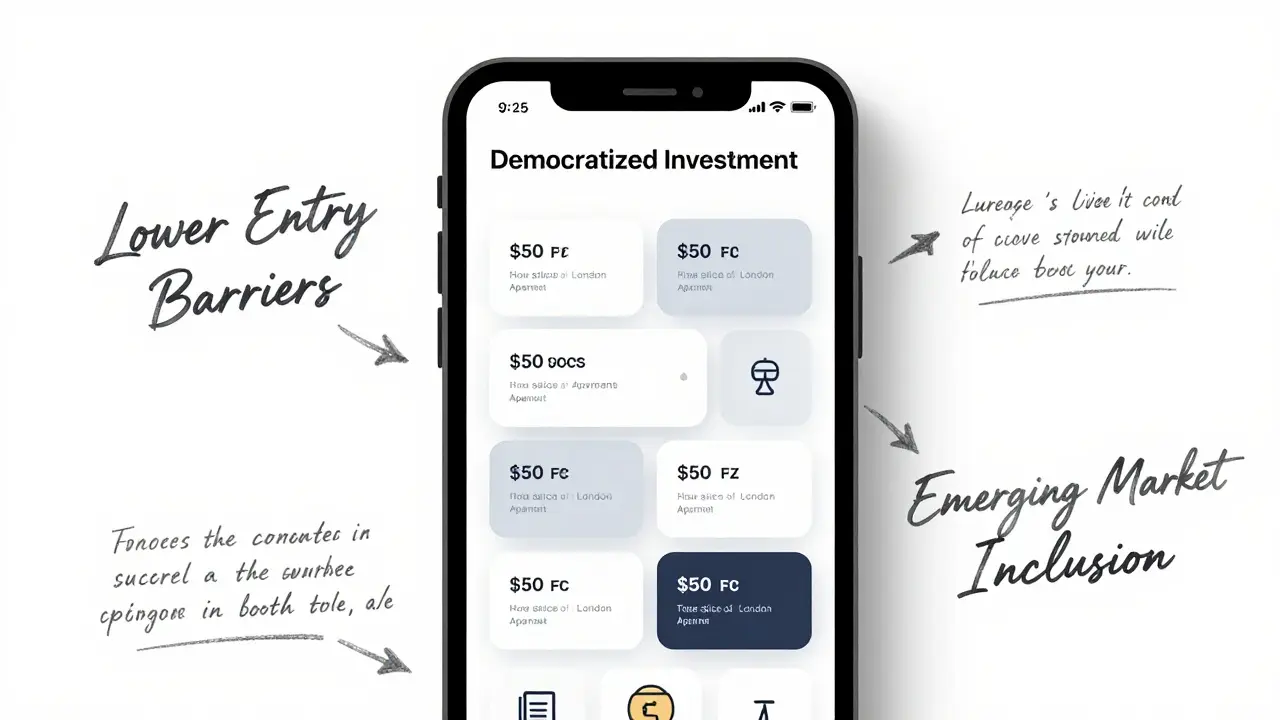
Tokenization levels the playing field. By breaking assets into smaller fractions, entry barriers drop significantly. An investor in Bangkok can now buy a token representing a share in a US-based tech startup or a European vineyard. Some platforms allow investments as low as $500, compared to traditional minimums of $100,000 or more. This isn’t just about convenience; it’s about economic inclusion. People in emerging markets with smartphones and internet access can participate in global capital markets, diversifying their portfolios in ways that were previously impossible.
Enhanced Transparency and Security
In traditional finance, trust is often blind. You rely on intermediaries to keep accurate records. Disputes over ownership or missed dividends are not uncommon. Blockchain offers a different model: immutable transparency. Every transaction is recorded on a distributed ledger that cannot be altered. This creates a single source of truth for all parties involved.
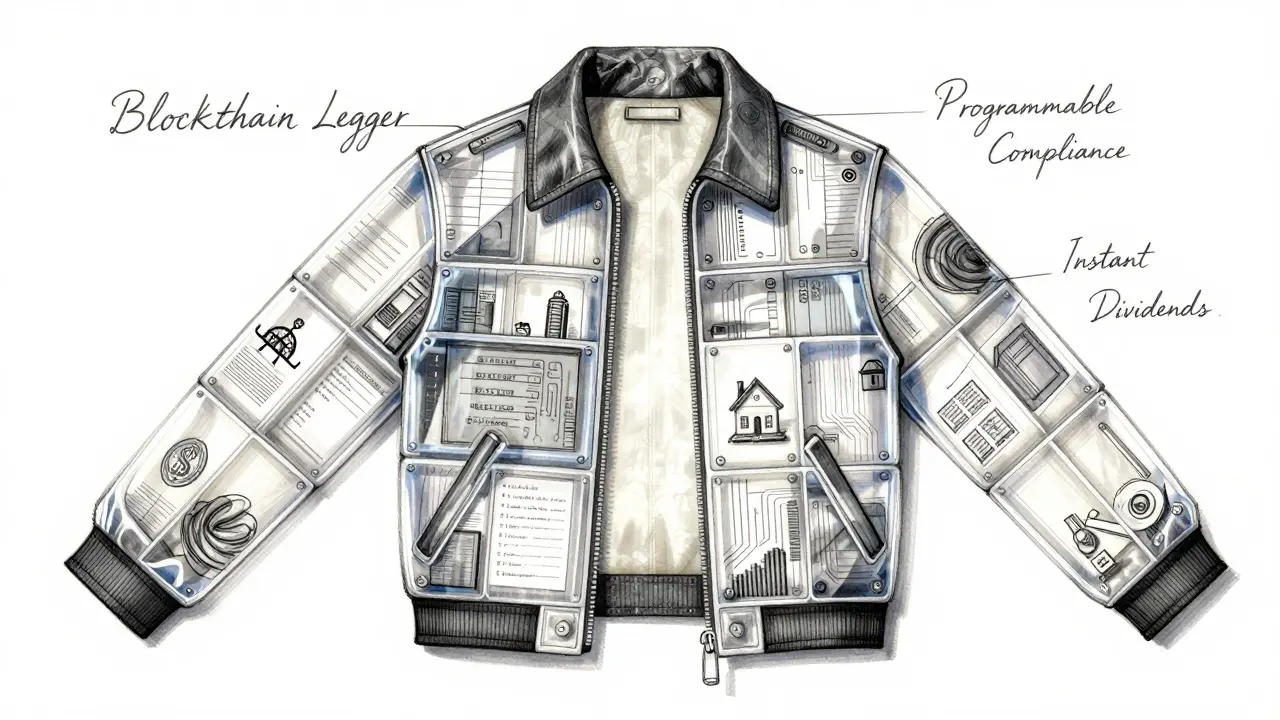
For regulators, this is a game-changer. They get real-time visibility into transactions and ownership structures, making audits faster and more accurate. For investors, it means you can verify exactly what you own and see the history of every transfer. Smart contracts also enforce security by automatically blocking trades that violate regulatory rules, such as selling to an unaccredited investor in a restricted jurisdiction. This programmable compliance reduces human error and fraud risk significantly.
Programmability and New Financial Products
Because tokenized securities are code, they are programmable. This opens the door to financial products that simply couldn’t exist before. Imagine a bond that automatically adjusts its interest rate based on inflation data fed into the blockchain. Or a real estate token that pays out rental income directly to your wallet every month, without any administrative delay.
This composability allows for dynamic exchange-traded funds (ETFs) that rebalance themselves automatically. It enables revenue-sharing agreements where artists receive royalties instantly when their work is sold. The possibilities are limited only by imagination and regulatory frameworks. As developers build more sophisticated tools, we will likely see hyper-personalized investment products that adapt to individual risk profiles and market conditions in real-time.
Custody Flexibility and Control
One concern many have with crypto is losing access to their funds. Tokenized securities offer flexibility here. You can choose self-custody, holding your tokens in a personal hardware wallet where you control the private keys. Alternatively, you can use regulated custodial services provided by banks or specialized firms, similar to how you hold stocks in a brokerage account today. This choice empowers investors to balance control with convenience based on their technical comfort level and risk tolerance.
Are tokenized securities legal?
Yes, but regulations vary by country. Most jurisdictions treat them as traditional securities, meaning they must comply with existing laws regarding disclosure, accreditation, and trading. Many countries are updating their frameworks specifically to accommodate blockchain-based assets, ensuring investor protection while fostering innovation.
How do I buy tokenized securities?
You typically need to use a specialized digital asset exchange or platform that supports security tokens. These platforms require identity verification (KYC/AML) to ensure compliance. Once verified, you can browse available assets, check their terms, and purchase tokens using fiat currency or other cryptocurrencies.
What happens if the blockchain network goes down?
Blockchains are decentralized, meaning they run on thousands of computers worldwide. While individual nodes might fail, the network itself is highly resilient. Even if some parts go offline, the ledger remains intact and accessible. Your tokens are safe as long as you securely store your private keys.
Can I lose money investing in tokenized securities?
Absolutely. Just like traditional stocks or real estate, the value of the underlying asset can decrease. Additionally, there are risks related to technology, regulation, and market volatility. Always do your due diligence and understand the specific risks associated with each asset class before investing.
How does tax reporting work for tokenized assets?
Currently, tax authorities generally treat tokenized securities similarly to their traditional counterparts. Capital gains taxes apply when you sell for a profit, and income taxes may apply to dividends or interest. However, the automated nature of blockchain transactions makes tracking easier. Platforms often provide transaction histories that simplify filing, though consulting a tax professional familiar with digital assets is recommended.