
Imagine buying a ticket to a concert, only to find out at the gate that it’s fake. Or worse - you pay $500 for a ticket that was originally $80, because a scalper bought 50 of them the moment they went on sale. This isn’t some future dystopia. It’s what happens every weekend at major events around the world. Now, picture a world where every ticket is unique, verifiable, and can’t be copied. Where the artist gets a cut every time someone resells their ticket. Where you don’t just get in - you get perks, discounts, and even digital collectibles tied to your attendance. That world isn’t hypothetical. It’s already here, built on blockchain ticketing with NFTs.
How NFT Tickets Work - No Fluff, Just Facts
An NFT ticket isn’t just a digital file you download. It’s a one-of-a-kind digital asset stored on a blockchain, like Ethereum or Polygon. Think of it like a digital deed to a house - but instead of land, it proves you own access to an event. Each ticket has a unique ID, a history of ownership, and rules baked into it by smart contracts. These contracts are self-executing code that can’t be changed once deployed. So if the event organizer sets a rule - like ‘no resale above face value’ or ‘20% royalty to the artist on every resale’ - it happens automatically, every time.Unlike traditional tickets that rely on centralized systems like Ticketmaster or Eventbrite, NFT tickets live on a public ledger. No single company controls them. No server goes down. No database gets hacked. Every transfer is recorded permanently. And because each NFT is unique, you can’t print it, screenshot it, or share it and expect it to work. The venue’s scanner checks the blockchain in real time - not a database. If the ticket’s not on the chain, you’re not getting in.
Stop Scalpers in Their Tracks
Scalping isn’t just annoying - it’s a multi-billion dollar problem. In 2025, over 30% of tickets for top music festivals were resold at inflated prices. Many of those were fake or bought using bots. NFT ticketing changes that.Smart contracts can block resale entirely, or limit it to one transfer. They can cap prices. They can require the original buyer to approve any transfer. Some platforms even require the buyer and seller to be verified with facial recognition linked to their wallet. That means bots can’t snap up 100 tickets in 0.2 seconds. Scalpers can’t flood the secondary market. And if someone tries to sell a fake ticket? The blockchain says no. It’s either the real one - with a verified history - or it’s worthless.
In 2024, a major New Zealand music festival rolled out NFT tickets. Within weeks, secondary market prices dropped 68%. Why? Because buyers knew every ticket was traceable. No more mystery sellers. No more ‘I got this from a friend’ scams. The system worked because it removed anonymity from the resale process.
Organizers Keep Control - And Make More Money
Traditional ticketing platforms take 15-25% of every sale. Then, when you resell, you’re on your own. The organizer gets nothing. With NFT tickets, that changes.Smart contracts can be programmed to send a percentage - say 5%, 10%, or even 25% - back to the organizer every time the ticket changes hands. That’s not a one-time fee. That’s ongoing revenue. A band that sells 10,000 tickets at $75 each could earn $750,000 upfront. But if 3,000 of those tickets are resold later at $120, and the contract takes 10%, the band earns another $216,000. That’s money they’d never see before.
Plus, there’s no middleman. No Ticketmaster, no StubHub. The organizer owns the ticketing system. They can set rules: no sales before a certain date. No transfers to wallets flagged for fraud. No bulk purchases. They control the entire lifecycle - from issuance to resale - without paying a single penny to a third party.
Attendees Get More Than Just Entry
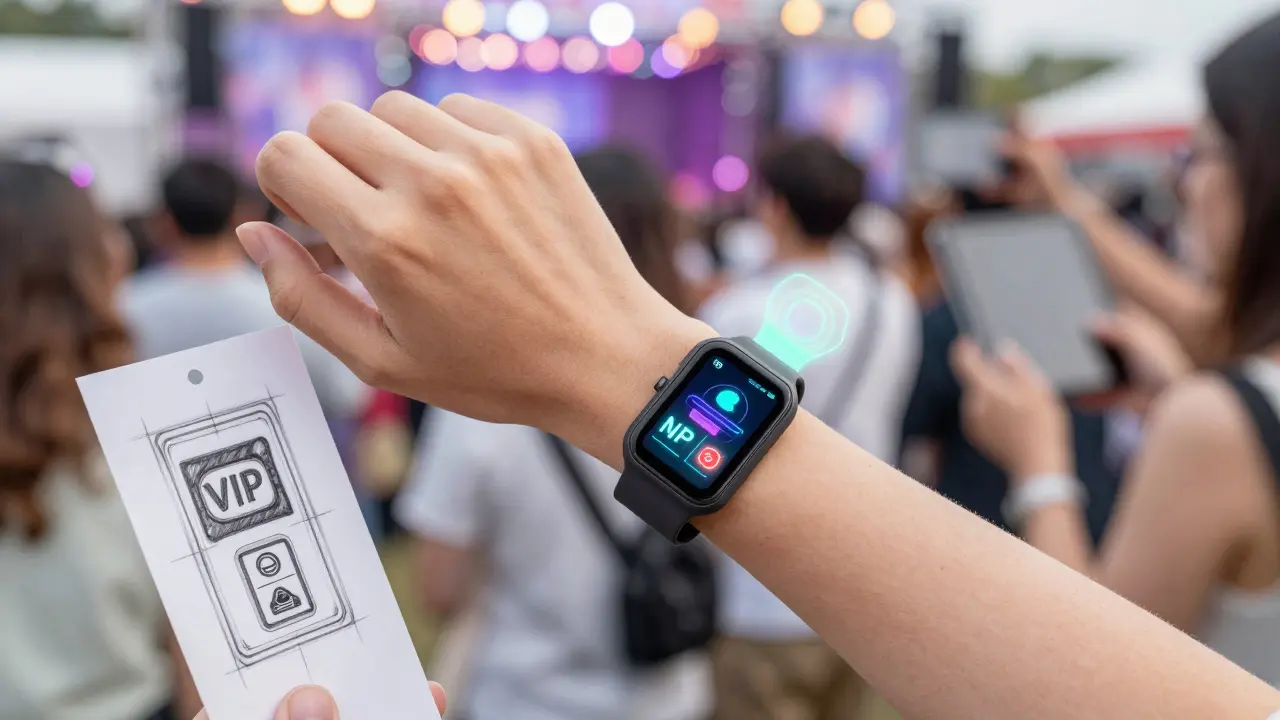
NFT tickets aren’t just about stopping fraud. They’re about unlocking experiences.Because each ticket is a digital asset, organizers can program it to unlock perks. Buy a ticket to a festival? You get a digital poster. Attend three shows in a row? You unlock a VIP meet-and-greet. Resell your ticket? You earn a discount on next year’s event. Some systems even let you use your NFT ticket to buy merch, food, or parking at the venue - all with one tap, no cash needed.
And if you lose your phone? No problem. Your ticket is tied to your crypto wallet, not your device. You can access it from any phone, tablet, or computer. No need to print, no need to wait in line for a replacement. Your ticket lives in your wallet - always.
For loyal fans, this is huge. Imagine being recognized at the gate because your wallet shows you’ve attended 12 shows over the last three years. You get a special wristband. A backstage tour. A free drink. All because your attendance history is on the blockchain - not buried in some corporate CRM.
Security That Can’t Be Faked
Counterfeit tickets cost organizers and fans millions every year. Fake tickets are printed, copied, and sold on social media. They look real. Until you get to the gate.NFT tickets solve this by making duplication impossible. Each one has a cryptographic signature tied to its owner. When you scan it, the system checks the blockchain - not a database. If the signature doesn’t match the owner’s wallet, it’s rejected. No exceptions.
Some systems go further. They link the ticket to a biometric check - a facial scan at the gate. The system compares your face to the ID tied to the wallet that bought the ticket. That’s not sci-fi. It’s already being used at major events in Europe and North America. It’s faster than checking a driver’s license. And it’s 100% accurate.
What About the Tech Barrier? Won’t Most People Struggle?
Yes - if you ask someone to set up a MetaMask wallet, they’ll probably panic. But here’s the truth: the barrier is shrinking fast.Platforms like Polygon, Solana, and Flow make it easy. You don’t need to understand blockchain to use it. Many event apps now let you sign up with your email, then automatically create a wallet in the background. You get your ticket. You show up. You scan. Done. No keys. No private keys. No crypto jargon.
And for those who don’t want crypto? Some systems let you pay with a credit card, then convert the ticket into an NFT behind the scenes. You never touch Bitcoin. You just get your entry. The tech is hidden - but the benefits are real.
By 2026, over 70% of major event organizers in New Zealand, Australia, and the U.S. have adopted some form of NFT ticketing. The users? Most of them didn’t even realize they were using blockchain. They just got in faster, paid less, and got better perks.
It’s Not Just for Concerts
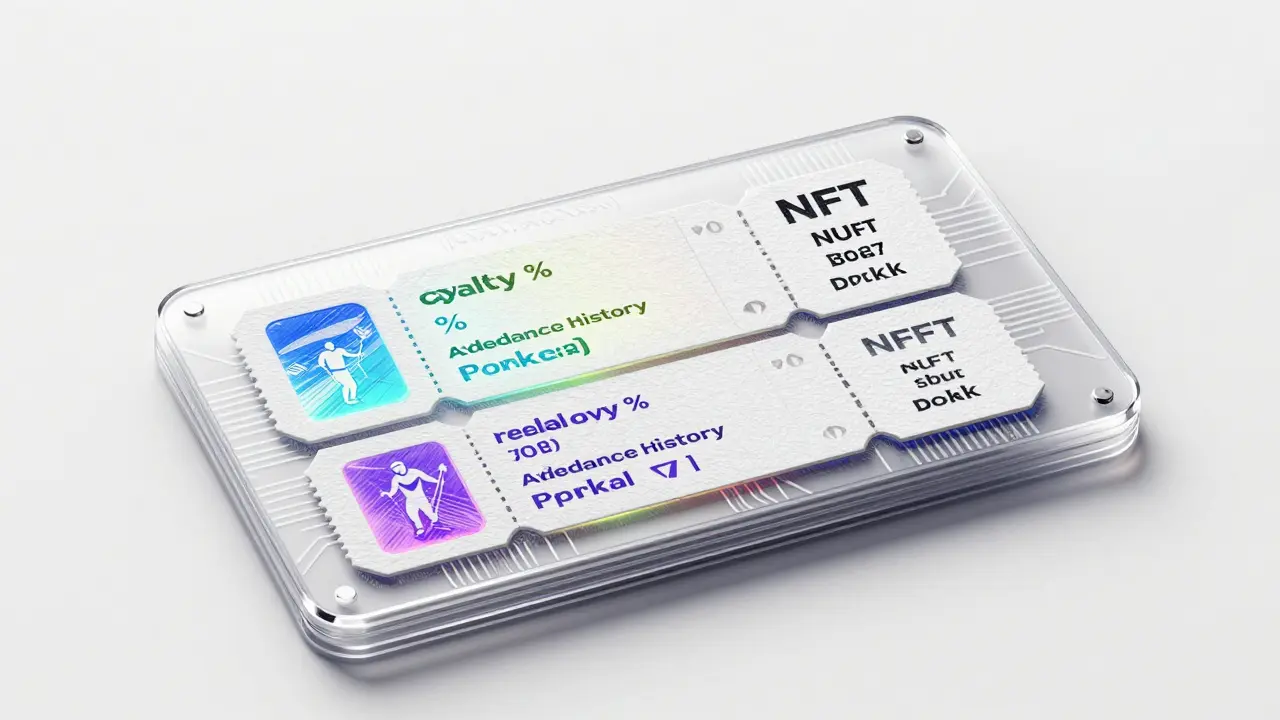
NFT ticketing isn’t limited to music. It works for sports, conferences, theme parks, and even public transit.A ski resort in Queenstown started using NFT season passes. Holders get discounts on rentals, priority lift lines, and exclusive trail access. If they resell, the resort gets 8%. A tech conference in Auckland now gives attendees NFT badges that unlock speaker recordings, networking events, and sponsor discounts for a year.
Even public events - like fireworks shows or marathons - are testing it. Why? Because it cuts costs, reduces fraud, and builds loyalty. It’s not about being ‘crypto.’ It’s about being smarter.
The Future Is Programmable
The next step? Dynamic tickets. Imagine a ticket that changes based on your behavior. Attend all three nights of a festival? Your ticket upgrades to VIP status for next year. Bring a friend? You both get early entry. Post a photo with the artist? You unlock a limited-edition digital collectible.Smart contracts are getting more powerful. They can trigger actions based on time, location, or even weather. If a concert is canceled due to rain? Your ticket auto-refunds. If it’s rescheduled? You get priority access. No emails. No forms. Just smart code doing the work.
This isn’t theory. It’s happening. In 2025, a New Zealand rugby tournament used NFT tickets with embedded loyalty rewards. Attendees earned points for showing up, sharing on social media, and buying merch. Those points turned into free tickets, merch discounts, and even voting rights on next year’s lineup. Fans loved it. The organizers? They saw a 42% increase in repeat attendance.
Are NFT tickets really more secure than regular tickets?
Yes. Traditional tickets can be copied, scanned, or printed. NFT tickets are unique digital assets recorded on a blockchain. Each has a cryptographic signature tied to one wallet. No two are the same. Scanners check the blockchain in real time - so fake tickets are instantly rejected. Even if someone screenshots your ticket, it won’t work. The system knows it’s not the original.
Do I need cryptocurrency to buy an NFT ticket?
Not necessarily. Many platforms let you pay with a credit card or PayPal. Behind the scenes, they create your NFT ticket and store it in a wallet they manage for you. You get an email or app notification with your ticket. You don’t need to understand crypto. But if you want full control, you can link your own wallet - like MetaMask or Phantom - to manage it yourself.
Can I resell my NFT ticket?
It depends on the rules set by the event organizer. Smart contracts can allow resale, limit it to one transfer, or block it entirely. Some organizers let you resell at face value. Others cap prices to prevent scalping. A few even take a cut - like 10% - every time it’s sold. You’ll always know the rules before you buy.
What happens if I lose my phone or wallet?
If you use a platform-managed wallet, you can recover access through email or account recovery. If you control your own wallet, you need your recovery phrase. That’s why most platforms now offer backup options - like linking your ticket to your phone number or email. Your ticket isn’t lost just because your phone dies. It’s tied to your identity, not your device.
Is NFT ticketing only for big events?
No. Small events benefit even more. A local band can use NFT tickets to earn royalties on resale, build a fan database, and offer exclusive perks - all without paying a ticketing platform. A café hosting live jazz can use NFT tickets to track regulars and give them free drinks. It’s scalable. The tech is cheaper than paper tickets when you factor in fraud losses and third-party fees.
Final Thought: It’s Not About Tech - It’s About Trust
Blockchain ticketing with NFTs isn’t magic. It’s just better logic. It replaces guesswork with code. It replaces middlemen with transparency. It replaces lost tickets with permanent records. And for fans and organizers alike, that’s worth more than any discount or gimmick.If you’ve ever been scammed, overcharged, or shut out because someone else bought all the tickets - this system fixes that. It doesn’t require you to be a crypto expert. It just requires you to care about fair access. And that’s something everyone understands.


